
Planting
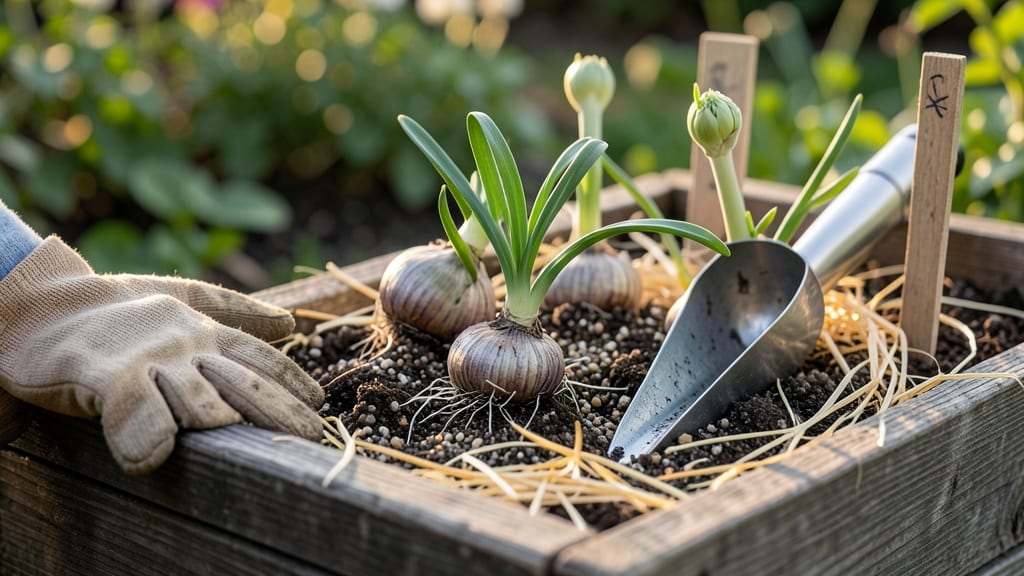
Planting Allium giganteum bulbs 🌷 in the right season means the difference between dramatic 4-foot blooms and a sad, stunted plant.
If you’ve ever dreamed of towering, globe-shaped purple flowers turning heads in your garden, timing is everything. Plant too early, and frost will damage them; too late, and you’ll miss the show entirely.
The key is knowing your climate zone and the perfect window—usually 6-8 weeks before the first frost.
For USDA Zone 6a (like much of the Midwest), that means getting those bulbs in the ground between September and October. But if you’re in a warmer zone, like Zone 8, you’ve got a little more flexibility—think late fall or even early winter.
The goal? Let the roots establish before winter sets in.
Below, I’ll break down the exact months for your zone, how to prep the soil, and pro tips to ensure your Giant Allium grows tall, strong, and ready to steal the show next summer.
Optimal planting months for Allium giganteum by USDA climate zone
Allium giganteum thrives when planted at the right time—typically in fall—but exact timing depends on your USDA climate zone. These towering blooms need 6-8 weeks before the first frost to establish roots. In colder zones, plant earlier; in warmer zones, you have more flexibility. Let’s break it down by zone to ensure your bulbs get a head start.
For USDA zones 3-5, aim to plant Allium giganteum bulbs between late August and mid-September. Soil temperatures should be below 60°F but above freezing. In these zones, early planting prevents frost damage to emerging shoots.
If you’re in zone 6a, like much of the Midwest, September 15-October 1 is ideal.
In USDA zones 6-8, your window expands slightly. Plant between mid-September and November, but avoid planting too close to winter. Soil should cool to 50-60°F for best bulb establishment. For example, gardeners in zone 7b (like Atlanta) can plant as late as early November without risking frost damage.
For USDA zones 9-10, fall planting isn’t critical—you can plant Allium giganteum in winter or early spring (December-February). These warmer climates have minimal frost risk, but bulbs still need well-draining soil and moisture to root.
In zone 10, like Southern California, plant in December-January to avoid summer heat stress.
Here’s a quick reference for your planting timeline by zone, including frost-free dates and soil prep tips:
| USDA Zone | Best Planting Month | Soil Temp (°F) | Frost-Free Window | Notes |
|---|---|---|---|---|
| 3-5 | Late August - Mid-September | Below 60°F | 6-8 weeks before first frost | Mulch after planting to insulate bulbs. |
| 6a-6b | September 15 - October 1 | 50-60°F | 4-6 weeks before first frost | Avoid waterlogging; amend clay soil. |
| 7-8 | Mid-September - November | 50-65°F | 3-5 weeks before first frost | Can plant as late as early November in zone 7b. |
| 9-10 | December - February | 55-65°F | No frost risk; plant in cooler months. | Water lightly post-planting to avoid rot. |
Regional adjustments matter! In the Pacific Northwest (e.g., zone 7b), plant by October 15 to avoid wet winters. In the Deep South (e.g., zone 8b), you can push planting to early December. Always check your local last frost date—aim to plant 6-8 weeks before it arrives.
Pro tip: If you miss the fall window, spring planting is possible in zones 7-10, but blooms may arrive later. Plant in March-April when soil warms to 60°F. Just be prepared for taller stalks but slightly delayed flowering.
Before planting, ensure your soil is well-draining and amended with compost. Alliums hate soggy roots! In clay-heavy soils, mix in sand or perlite to improve aeration. Once planted, water deeply but avoid overwatering—Allium giganteum prefers moderate moisture once established.
Timing your planting ensures your Allium giganteum will reward you with dramatic, globe-shaped blooms in late spring or early summer. Follow these zone-specific guidelines, and you’ll be the envy of the neighborhood with these showstopper flowers reaching 3-4 feet tall! 🌷
Signs your Allium giganteum bulbs are ready to plant (and what to avoid)
Planting Allium giganteum bulbs at the right time ensures those dramatic 4-foot-tall blooms you crave. But how do you know when they’re truly ready? Look for firm, plump bulbs with dry, papery skins—these are your first clues.
Bulbs should feel heavy for their size, signaling stored energy for growth, and show no signs of sprouting or soft spots.
Next, check your local frost dates. Aim to plant 6-8 weeks before the first frost in your USDA zone. For example, in Zone 6a, that’s typically September or early October.
Cool soil temperatures (50-60°F) and shorter daylight hours further signal the perfect window for these Mediterranean natives.
⚠️ callout warning ⚠️
⚠️ Critical Mistakes to Avoid
- Planting diseased bulbs: Discard any with mold, soft spots, or holes. Disease spreads when you bury infected bulbs.
- Ignoring drainage: Waterlogged soil causes rot. Amend clay soil with compost or sand to prevent soggy conditions.
- Skipping soil prep: Work in 2-3 inches of compost and a balanced fertilizer (5-10-10) before planting.
💡 Pro Tip: Test soil moisture by squeezing a handful—it should crumble, not stick together.
Your garden soil should also be moist but not soggy before planting. Stick your finger 2 inches deep—if it feels dry, water the area thoroughly 24 hours ahead.
Avoid planting in heavy clay unless amended, as these bulbs hate wet feet. A well-draining spot with 6+ hours of sun is non-negotiable for their best performance.
Finally, observe the bulb’s condition. Healthy Allium giganteum bulbs have tightly packed layers with no signs of sprouting. If you see green shoots, plant immediately—they’ll grow roots faster in cooler soil.
Store any unsold bulbs in a cool, dark, dry place (like a paper bag in the fridge) until ready to plant.
Common planting mistakes include using bulbs that are too small (less than 2 inches) or planting them too shallow (they need 6-8 inches of depth). Space them 8-12 inches apart to prevent overcrowding, which can lead to pale, leggy stems and fewer blooms.
Mulch lightly after planting to retain moisture without suffocating the bulbs.
With these signs in mind, you’ll maximize your Allium giganteum’s potential for showstopping height and longevity. Plant at the right time, and you’ll enjoy months of vertical drama in your garden—no frost damage or weak growth in sight! 🌷