
Planting
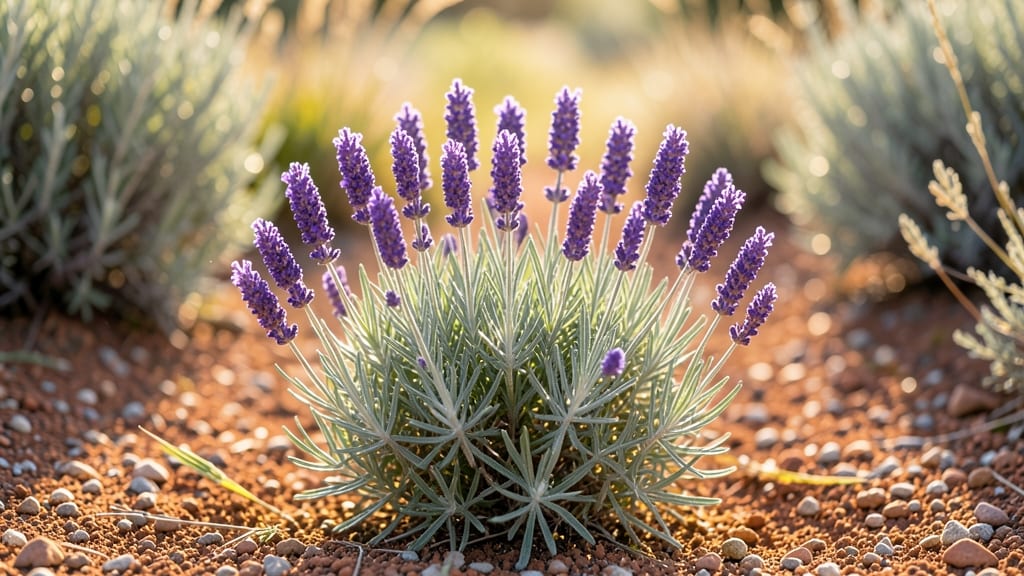
A plant that has purple flowers can transform gardens into living works of art. 🌸 From the first blush of spring to the last golden hues of fall, these plants attract pollinators while adding drama to every corner of your yard.
I’ve tested dozens over the years, and these stand out for their reliability, beauty, and ability to pair effortlessly with other colors—whether you’re going for cottage charm or sleek modern lines.
What makes these purple bloomers special? They thrive in different light conditions—some bask in full sun while others flourish in partial shade—so you can mix them into almost any garden design.
Perennials like lavender and coneflower return year after year, while annuals like petunias and cleome deliver instant pops of color. The best part? Most require minimal fuss once established—just the right soil, consistent water, and maybe a little deadheading to keep them blooming.
Imagine a border bursting with purple salvia and black-eyed Susan, or a container bursting with purple verbena and sweet potato vine. These combos create visual impact while supporting bees, butterflies, and hummingbirds.
Even in small spaces, a single purple clematis climbing a trellis or purple fuchsia hanging from a pot can steal the show. The key is choosing plants that match your climate and sunlight, then letting them shine.
Ready to dive in? We’ll cover the top 10 purple powerhouses, their care needs, and how to style them for maximum impact—whether you’re revamping a whole garden or just adding a few pots to your patio. No green thumb required, just a love for color and life.
📚 In This Guide
- What you need
- Instructions
- Tips and common mistakes
- Wrapping up and next steps
What you need
- ● Purple-flowering plants: Choose from seeds, young plants, or cuttings of varieties like Lavender, Petunias, Cleome, Salvia, or Coneflower (check local climate suitability).
- ● Well-draining potting mix: 10-15 lbs (4.5–7 kg) of organic, nutrient-rich soil (e.g., Miracle-Gro Potting Mix or FoxFarm Ocean Forest).
- ● Containers or garden bed: For containers: 5–10 gallon pots (with drainage holes) per plant.
- ● For garden beds: Ensure 6+ inches (15 cm) of loose, amended soil.
- ● Slow-release fertilizer: 1 lb (0.45 kg) of 10-10-10 or 14-14-14 blend (e.g., Osmocote Smart-Release).
- ● Watering can or hose: With a gentle spray nozzle for seedlings.
- ● Trowel or hand shovel (for transplanting).
- ● Gloves (to protect hands from soil and thorns, if applicable).
- ● Pruning shears (for trimming dead blooms or shaping plants).
- ● Measuring tape or ruler (to space plants 12–24 inches apart).
- ● Mulch: 2–3 inches (5–7 cm) of shredded bark or straw to retain moisture.
- ● Plant stakes or cages: For tall varieties like Cleome or Sunflowers.
- ● Organic compost: 1–2 cups per plant for a nutrient boost.
- ● Pollinator-friendly companions: Marigolds or basil to repel pests naturally.
- ● Grow lights (indoor starters): LED bulbs for 12–16 hours/day if germinating seeds early.
How to grow a stunning purple-blooming perennial for season-long pollinator appeal
Here’s the proven approach I use to cultivate purple-blooming perennials that thrive year after year and attract bees, butterflies, and hummingbirds.
🌱 Step 1: Select the Right Purple-Blooming Perennial for Your Climate
Not all purple flowers are created equal—choose a hardy perennial suited to your USDA zone. My top picks for dramatic color include Russian sage (Perovskia atriplicifolia), coneflower (Echinacea purpurea), and beebalm (Monarda didyma), all of which thrive in full sun and bloom from early summer until frost. Russian sage, in particular, offers silvery foliage and airy purple spikes that pollinators adore.
Check your local nursery for disease-resistant varieties—some coneflowers, for example, are bred to resist powdery mildew, which can otherwise plague plants in humid climates. I always opt for established plants (not seeds) for perennials, as they establish roots faster and bloom the first season.
☀️ Step 2: Prepare the Planting Site for Optimal Growth
Purple-blooming perennials crave well-draining soil and full sun (6+ hours daily). Before planting, amend your soil with 2-3 inches of compost to improve fertility and drainage. If your soil is heavy clay, mix in 1 part sand or perlite to prevent root rot—this is especially critical for Russian sage, which despises soggy roots.
Test your soil’s pH (ideal range: 6.0-7.0 for most purple perennials). Coneflowers tolerate slightly acidic soil, while beebalm thrives in neutral to slightly alkaline conditions. Adjust with lime (to raise pH) or sulfur (to lower it) if needed. I like to dig a hole twice as wide as the root ball but only as deep—planting too deep can suffocate the crown.
🪴 Step 3: Plant and Water for Strong Establishment
Gently remove the plant from its container and loosen any circling roots. Place it in the hole so the top of the root ball sits level with the soil surface—burying the crown too deep invites rot. Backfill with native soil, pressing lightly to eliminate air pockets. Water deeply until moisture reaches 6 inches down, then let the soil settle for a day before adding a 1-inch layer of mulch (avoid piling mulch against stems).
Water every 2-3 days for the first 2 weeks, keeping the soil evenly moist but not soggy. You’ll know you’ve got it right when the soil feels like a wrung-out sponge—damp but not dripping. Overwatering at this stage often leads to fungal issues, so I use a soaker hose to deliver water directly to the roots without wetting the foliage.
✂️ Step 4: Prune and Maintain for Season-Long Blooms
After the first flush of blooms fades (usually in late summer), cut back spent stems by one-third to encourage a second round of flowers. Russian sage, for instance, benefits from a hard prune in early spring to promote bushier growth. For coneflowers, deadhead wilted blooms regularly—this redirects energy to new flowers instead of seed production.
Fertilize lightly in early spring with a balanced 10-10-10 formula (follow package rates). Too much nitrogen leads to leafy growth at the expense of flowers, which defeats the purpose of planting these pollinator magnets. I also divide clumps every 3-4 years in early spring to rejuvenate plants—simply dig up the root ball, split it into sections, and replant.
🐝 Step 5: Encourage Pollinators with Strategic Care
To maximize pollinator visits, avoid pesticides—even natural ones like neem oil can deter bees and butterflies. Instead, plant companion flowers like lavender or salvia nearby to create a pollinator buffet. I’ve noticed hummingbirds are particularly drawn to beebalm’s tubular blooms, while butterflies flock to coneflowers’ flat tops.
Leave some spent blooms on the plant in fall—they provide winter sustenance for birds and seeds for next year’s volunteers. If you’re growing Russian sage, prune lightly in late fall to tidy up, but avoid cutting back too aggressively—this hardy plant stores energy in its woody stems for spring regrowth.
Tips & tricks for growing purple-blooming perennials that thrive
Here’s what I’ve learned after years of growing vibrant purple perennials that keep blooming all season—these details make all the difference.
Location is Everything: Purple perennials like Russian sage and coneflower need full sun (6+ hours daily), but there’s a trick to positioning: plant them where they’ll get morning sun and afternoon shade if you live in a hot climate. This prevents leaf scorch while ensuring they still get enough light to bloom continuously. I’ve noticed Russian sage, in particular, handles afternoon shade better than beebalm, which can wilt if it gets too hot.
Root Health Starts at Planting: When you’re planting in Step 3, pay special attention to the root ball—loosen any circling roots before placing it in the hole. The top of the root ball should sit level with the soil surface, not buried. I’ve ruined too many plants by burying the crown too deep, which leads to rot. After planting, water deeply until moisture reaches 6 inches down—this ensures roots establish properly before you add mulch.
Pruning Pays Off: The pruning schedule in Step 4 is crucial for season-long blooms. For Russian sage, a hard prune in early spring (before new growth appears) encourages bushier growth, while coneflowers benefit from regular deadheading of spent blooms. I’ve found that cutting back spent stems by one-third after the first flush of blooms in late summer triggers a second round of flowers that lasts until frost. Don’t skip this step—it’s what keeps your plants looking their best all season.
Companion Plants Boost Pollinators: While the instructions mention planting lavender or salvia nearby, here’s the bonus: these companion plants also deter pests that might target your purple perennials. I’ve seen fewer aphids on my coneflowers when they’re planted near lavender, and the salvia attracts beneficial wasps that prey on garden pests. It’s a win-win for both your plants and the pollinators they attract.
Pro Tips for Plant That Has Purple Flowers
- Here’s what I’ve learned after years of growing vibrant purple perennials that keep blooming all season—these details make all the difference.
- This prevents leaf scorch while ensuring they still get enough light to bloom continuously.
- Root Health Starts at Planting: When you’re planting in Step 3, pay special attention to the root ball—loosen any circling roots before placing it in the hole.
Frequently asked questions
Got questions about adding purple-flowering plants to your garden? Here are some of the most common queries—and answers—to help you get started!
What are the easiest purple flowers to grow for beginners?
Start with petunias, pansies, or cleome—they’re hardy, fast-growing, and thrive in full sun. Lantana is another great pick for drought-tolerant zones. All love well-draining soil and regular watering but handle neglect better than fussy blooms like orchids.
When is the best time to plant purple flowers for year-round color?
For annuals (like petunias or zinnias), sow seeds after the last frost in spring or transplant seedlings in early summer. Perennials (e.g., coneflowers or bee balm) should go in early spring or fall—6 weeks before your first frost. Mulch helps extend blooms into autumn!
Which purple flowers attract the most pollinators?
Top picks for bees, butterflies, and hummingbirds:
- Lavender (bees adore it!)
- Salvia (hummingbird magnet)
- Black-eyed Susan (golden centers draw pollinators)
- Purple coneflower (long-lasting nectar source)
Why aren’t my purple flowers blooming? Troubleshooting tips.
Check these fixes:
Too much shade? Most purple bloomers need 6+ hours of sun (except heuchera, which tolerates partial shade).
Over-fertilizing? Too much nitrogen = leafy growth, fewer flowers. Use a low-nitrogen, high-phosphorus fertilizer instead.
Deadheading needed? Snip spent blooms to encourage reblooming (works for petunias, zinnias, and cosmos).
Drought stress? Purple flowers often wilt underfoot—water deeply 1–2x/week (adjust for clay/container gardens).
What are some purple flowers that thrive in containers?
Container gardening? Try these space-saving stars:
- Petunias (trailing varieties spill beautifully)
- Pansies/violas (cool-season bloomers for early/late seasons)
- Begonias (shade-tolerant, great for hanging baskets)
- Dwarf salvia (compact and drought-resistant)
Wrapping up and next steps
Adding a plant that has purple flowers to your garden isn’t just about beauty—it’s a vibrant invitation for pollinators and a splash of seasonal drama! From hardy lavender to delicate clematis, these blooms bring color, resilience, and life to any space.
Whether you’re a seasoned gardener or just starting, these plants offer easy care and stunning rewards.
Ready to transform your outdoor oasis? Start small—pick one purple superstar and watch your garden buzz with activity! 🌸🐝 Next step: Sketch a planting plan or grab seeds today—your future blooms will thank you!