
Planting
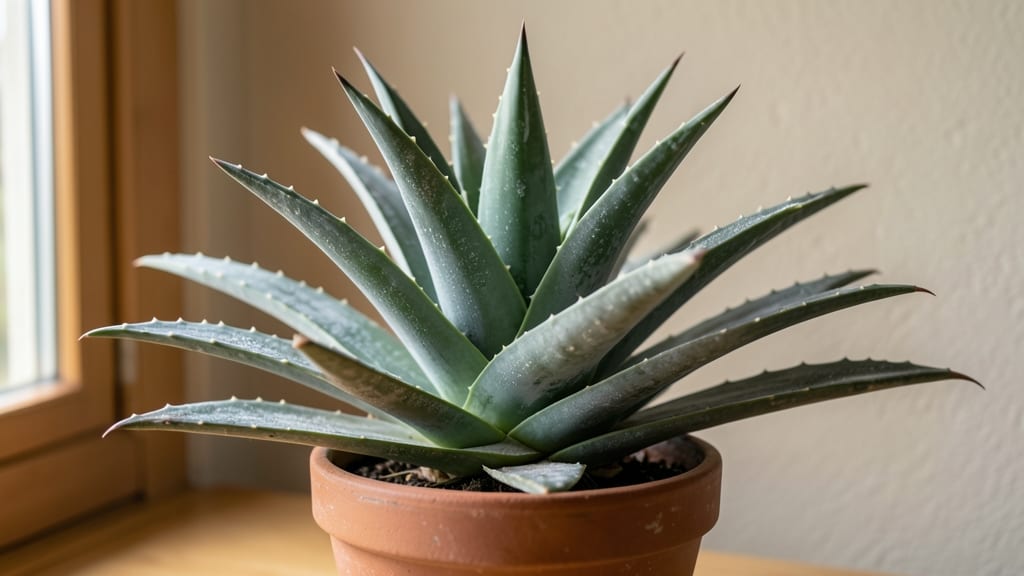
The aloe vera plant thrives in USDA zones 8 through 11, where warm winters and plenty of sun let this succulent shine. 🌵 I learned the hard way—my first outdoor aloe froze solid in zone 7, but since moving it into a pot and bringing it inside, it’s grown twice as fast.
The key is understanding how your climate affects its care, from protecting it from frost to maximizing sunlight.
In ideal zones, aloe loves full sun and well-draining soil—think sandy, rocky ground like its South African native habitat. Outside those zones, container growing is your best bet, letting you move plants indoors when temperatures dip below 50°F.
A south-facing window or grow light keeps it happy through winter, and you’ll still get those thick, gel-filled leaves.
What you’ll notice is a plant that’s shockingly resilient once you meet its basic needs. Leaves stay plump and green, new pups form at the base, and the whole plant radiates that signature aloe energy—ready to soothe burns or brighten any shelf.
The trade-off? A little more attention in cooler climates, but the payoff is worth it.
Even in zone 5, you can grow aloe with the right setup—just combine containers, bright light, and a little winter TLC. The same rules apply whether you’re in Florida or Minnesota: sun, drainage, and protection from cold. Here’s how to make it work in your specific zone.
📚 In This Guide
- What you need
- Instructions
- Tips and common mistakes
- Wrapping up and next steps
What you need
- ● Aloe vera plant: 1 mature plant or 3-5 healthy pups (offsets) for propagation.
- ● Well-draining soil: 1 bag (5-10 lbs) of cactus or succulent mix (or add perlite/pumice to regular potting soil for drainage).
- ● Pot or container: For mature plants: 1 pot (12-16 inches in diameter) with drainage holes.
- ● For pups: 3-5 small pots (4-6 inches in diameter) or a single larger pot with divided sections.
- ● Drainage layer: Small pebbles, gravel, or broken pottery (1-2 inches deep) for the pot’s base.
- ● Watering can or spray bottle: 1 with a narrow spout for precise watering.
- ● Garden trowel or knife: 1 for separating pups or transplanting.
- ○ Fertilizer (optional): Balanced liquid fertilizer (e.g., 10-10-10) or succulent-specific fertilizer.
- ● Apply every 4-6 weeks during growing seasons (spring/summer).
- ○ Sunlight monitor (optional): A light meter or app to track sunlight exposure in your zone.
- ○ Mulch or decorative stones (optional): For aesthetics and slight moisture retention (use sparingly!).
Step-by-Step guide for growing aloe vera in your USDA zone
Here's how to give your aloe vera the perfect home—no matter where you live.
🌱 Step 1: Choose the Right Spot Based on Your USDA Zone
Aloe vera thrives in USDA Zones 8-11, where frost is rare. If you're in Zones 9-11, plant it outdoors in full sun (6+ hours daily). In Zone 8, protect it from winter frost by moving it to a sheltered spot or bringing it indoors before temperatures drop below 32°F.
For Zones 7 and colder, grow aloe vera exclusively as a houseplant. Place it near a south-facing window where it gets bright, indirect light. If the leaves start stretching toward the light, it's not getting enough—move it closer or add a grow light for 12-14 hours daily.
☀️ Step 2: Mimic Desert Conditions for Optimal Growth
Aloe vera loves dry, well-draining soil and hates soggy roots. In Zones 9-11, plant it in a sunny, rocky spot with sandy or gritty soil. If your soil is heavy clay, mix in coarse sand or perlite to improve drainage. In containers, use a cactus or succulent mix—never regular potting soil.
Water only when the soil is completely dry—stick your finger 2 inches deep. If it feels damp, wait another week. Overwatering is the #1 killer of aloe vera. In Zones 9-11, water every 2-3 weeks in summer and once a month in winter. In Zones 7 and colder (indoors), water every 3-4 weeks—less in winter when growth slows.
✂️ Step 3: Prune and Propagate for a Healthier Plant
Remove dead or yellowing leaves by twisting them gently at the base—never cut with scissors, as this can introduce bacteria. If your aloe vera grows too tall and topples over, trim the stem just above a leaf node. The plant will regrow from the base, producing a sturdier stem.
Propagate pups (baby aloe plants) when they're at least 3-4 inches tall. Gently twist them off the mother plant and let the wound callus for 1-2 days before planting in fresh soil. This is how you get free plants—and a fuller look for your mother aloe!
⏰ Step 4: Adjust Care for Seasonal Changes
In Zones 9-11, aloe vera goes semi-dormant in winter. Reduce watering to once a month and avoid fertilizing. In Zones 7 and colder (indoors), keep it in a cool spot (55-65°F) and water sparingly. Watch for signs of stress: wrinkled leaves mean it needs water, while mushy or translucent leaves mean it's getting too much.
Every 2-3 years, repot your aloe vera if it's outgrown its container. Choose a pot just 1-2 inches larger in diameter—aloe vera prefers being slightly root-bound. Fresh soil and a bigger space encourage new growth. This is also a great time to divide any pups that have formed at the base.
Tips & tricks for thriving aloe vera in any climate
These simple strategies will help your aloe vera flourish no matter where you live—whether you're in a sunny desert zone or a chilly indoor space.
Lighting Insight: In Step 1, when placing your aloe vera near a south-facing window, rotate the pot every 2-3 weeks to ensure even light exposure. This prevents the plant from leaning toward one side, which can happen when it stretches toward the light source. Aloe vera grows best with consistent, bright light—just like its desert origins!
Soil Strategy: The key to mimicking desert conditions in Step 2 is using a mix that drains faster than regular potting soil. For outdoor plants in Zones 9-11, add 30% coarse sand or perlite to your cactus mix. For indoor plants, a pure cactus mix works perfectly—just avoid anything labeled "moisture-retaining." This prevents the dreaded root rot that kills so many aloe plants.
Watering Wisdom: The 2-inch deep soil check in Step 2 is crucial, but here's the real trick: use your finger to test moisture in the morning when the soil is coolest. Early morning checks give you the most accurate reading, as evening moisture from watering can give false readings. Remember, aloe vera stores water in its leaves—it's adapted to survive droughts, not constant dampness.
Seasonal Adjustments: When following Step 4's winter care instructions, pay attention to your thermostat's location. Place your aloe vera near a window that doesn't get direct heat from vents or radiators—temperature fluctuations can stress the plant. In Zones 7 and colder, aim for that 55-65°F range consistently, especially at night when indoor temperatures often drop.
Pro Tips for Aloe Vera Plant Zone
- These simple strategies will help your aloe vera flourish no matter where you live—whether you're in a sunny desert zone or a chilly indoor space.
- Lighting Insight: In Step 1, when placing your aloe vera near a south-facing window, rotate the pot every 2-3 weeks to ensure even light exposure.
- Soil Strategy: The key to mimicking desert conditions in Step 2 is using a mix that drains faster than regular potting soil.
Frequently asked questions
Got questions about growing aloe vera in the right USDA plant zone? We’ve got answers!
Whether you're a beginner or a seasoned gardener, these FAQs will help you keep your aloe thriving in the perfect climate conditions.
What USDA plant zones can aloe vera grow in?
Aloe vera thrives in USDA zones 9-11 as a perennial. In colder zones (5-8), grow it as a houseplant or bring it indoors before temperatures drop below 40°F (4°C). With proper care, you can enjoy its benefits year-round!
How long does it take for aloe vera to grow in different zones?
In optimal zones (9-11), aloe vera grows 6-12 inches per year. In cooler zones (5-8), growth slows to 2-4 inches annually unless kept indoors with bright light. Patience is key—mature plants (3+ years) yield the most gel!
Can aloe vera survive winter in colder zones?
No, aloe vera is not frost-tolerant. In zones 5-8, move potted plants indoors before first frost (or wrap outdoor plants in burlap for mild winters). If left outside, freezing temps will kill the plant. A sunny windowsill or grow light works perfectly!
What’s the best alternative if my zone isn’t ideal for outdoor aloe?
Try indoor-friendly succulents like snake plant (Sansevieria) or haworthia, which thrive in low light and cooler temps. For aloe-like benefits, aloe aristata (a hardier variety) can handle zone 8 with winter protection.
Why is my aloe vera turning brown or mushy in zone 9?
Brown tips often mean overwatering or sunburn. Mushy stems signal root rot from soggy soil. In zone 9, water only when soil is bone-dry (every 2-3 weeks) and provide partial shade if exposed to harsh afternoon sun. Drainage is key!
Wrapping up and next steps
Growing aloe vera thrives when you align its care with your USDA plant zone—whether you're in the warm Zone 10 or a cooler Zone 8! With the right sunlight, soil, and seasonal adjustments, this succulent gem can flourish indoors or out, offering both beauty and healing benefits. 🌱
Ready to nurture your aloe? Start by picking a sunny spot (or a bright windowsill), grab some well-draining soil, and give it a try—your green thumb is closer than you think! Next, experiment with propagation or share your new plant with a fellow green enthusiast. Happy growing! 🌟