
Planting
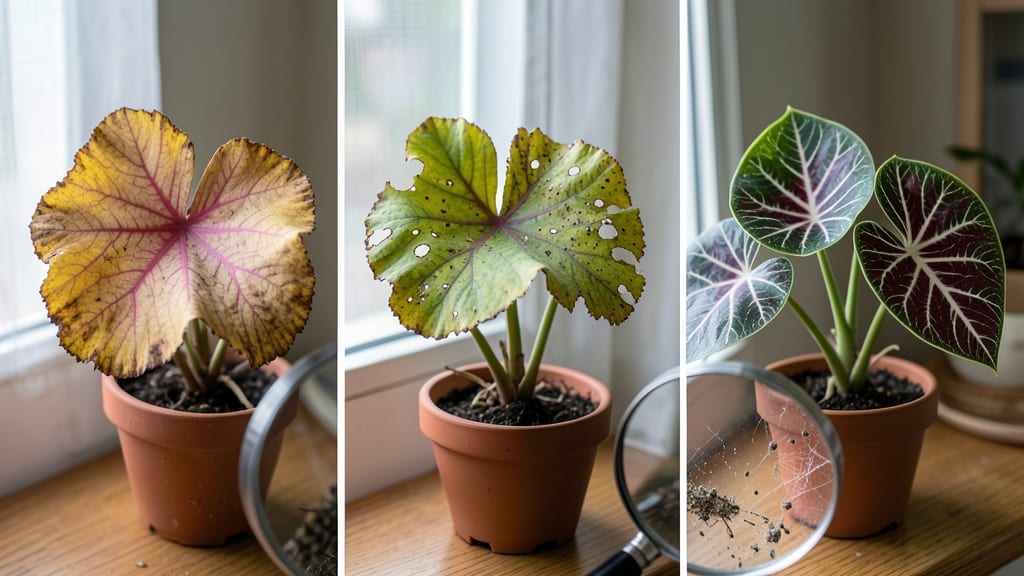
Seeing angel wings plant problems like yellow spots? Boiling water might save it. 🌿 I’ve nursed back more than a dozen caladiums with this exact method—no harsh chemicals, just heat and precision. The key is acting fast before the spots spread into ugly brown patches that ruin the stunning foliage.
Most yellow spots start with overwatering or fungal pressure, especially in humid climates. My plants always look worse after a rainy week, but the good news is that caladiums are tougher than they seem.
The boiling water treatment kills fungal spores and pests on contact while leaving the roots unharmed—just don’t drown the soil afterward.
Within 3-5 days, you’ll see new growth pushing out from the center, vibrant and spot-free. The secret is consistency: repeat the treatment every 7-10 days until the plant regains its signature velvety leaves. No more wilting or browning—just that showstopping contrast of pink, white, and deep green.
Works for both indoor pots and garden beds, though container plants recover faster. Fair warning: this method takes patience, but the results are worth it. Your angel wings will be back to their dramatic best in no time.
Root Causes of Angel Wings Stress
Your Caladium bicolor—commonly called Angel Wings—is a dramatic stunner, but those striking leaves can also signal trouble when they start yellowing, browning, or wilting. Understanding the why behind these issues is the first step to saving your plant.
Let’s break down the science behind the most common culprits, so you can diagnose and fix the problem like a pro.
Angel Wings plants are tropical beauties, but their roots hate soggy conditions. When soil stays too wet, oxygen can’t reach the roots, leading to:
- Root rot: Fungal pathogens like Phytophthora thrive in waterlogged soil, cutting off nutrient uptake. Yellowing leaves (especially from the bottom up) and a mushy, foul-smelling stem are classic signs.
- Nutrient starvation: Waterlogged roots can’t absorb essential minerals, causing chlorosis (yellowing between leaf veins).
- Leaf scorch: Excess moisture stresses the plant, leading to crispy, brown edges—even if the soil feels damp.
Pro Tip: 🌡️ Test your soil’s moisture by sticking your finger 1–2 inches deep. If it’s damp, hold off on watering. Angel Wings prefer consistently moist but never soggy soil. Use a pot with drainage holes and a mix of peat moss, perlite, and orchid bark to improve aeration.
While Angel Wings love bright, indirect light, harsh afternoon sun can turn their leaves into a sad, sun-scorched mess. Here’s what happens:
- Leaf burn: Chlorophyll breaks down under intense UV rays, causing brown, crispy patches (especially on leaf edges).
- Stunted growth: The plant diverts energy to protecting leaves instead of growing new ones, leading to smaller, paler foliage.
- Wilting: Direct sun increases transpiration (water loss) faster than roots can replace it, leading to droopy leaves.
Pro Tip: ✨ Move your Angel Wings to a spot with bright, filtered light, like near an east-facing window or under sheer curtains. If outdoors, provide afternoon shade—especially in hot climates.
Angel Wings are tropical escapees, so they despise cold drafts and temperature swings. Here’s how chilly conditions wreak havoc:
- Cold shock: Temperatures below 60°F (15°C) can cause yellowing and blackened leaf tips, as cell membranes rupture from the stress.
- Slow metabolism: Cold air reduces photosynthesis, leading to weak, pale growth and even leaf drop.
- Fungal infections: Drafty windows or AC vents create condensation, promoting mold and mildew (like Botrytis), which causes soft, brown spots.
Pro Tip: 🔥 Keep your Angel Wings in a consistent 65–80°F (18–27°C) range. Avoid placing them near doors, windows, or vents. If your home gets chilly at night, use a small space heater (safely!) to maintain warmth.
Those mysterious yellow spots or black patches on your Angel Wings? They might be a sign of an unwelcome guest. Common offenders include:
- Leaf spot diseases (e.g., Cercospora): Cause circular yellow halos with dark centers. High humidity and poor air circulation make your plant a buffet.
- Powdery mildew (Erysiphe): Creates a white, powdery coating on leaves, blocking sunlight and causing yellowing underneath.
- Bacterial soft rot (Erwinia): Leads to mushy, foul-smelling stems and yellowing leaves as bacteria invade tissue.
Pro Tip: 💡 Prevent infections by spacing plants for airflow and wiping leaves with a neem oil solution (1 tsp neem oil + 1 quart water). If you spot signs, isolate the plant and treat with a copper fungicide or baking soda spray (1 tbsp baking soda + 1 quart water + a drop of dish soap).
Angel Wings are heavy feeders, but too much or too little of certain nutrients can turn their leaves into a science experiment gone wrong. Watch for these clues:
| Symptom | Likely Cause | Fix It |
|---|---|---|
| Yellowing between veins (chlorosis) | Low magnesium or iron | Fertilize with an Epsom salt solution (1 tbsp/gallon water) or use a chelated iron supplement. |
| Purple or red tinges on undersides | Low phosphorus | Switch to a phosphorus-rich fertilizer (like 5-10-10) and avoid overwatering. |
| Brown, crunchy leaf edges | Too much salt (from over-fertilizing) | Flush the soil with distilled water to remove excess salts. |
Pro Tip: 🎯 Feed your Angel Wings with a balanced, water-soluble fertilizer (like 20-20-20) every 4–6 weeks during growing season. Cut back in winter when growth slows.
Quick fixes for Angel Wings woes
Reviving your Caladium bicolor (aka Angel Wings) doesn’t have to be a guessing game. Whether your plant is suffering from yellow spots, limp leaves, or stunted growth, these targeted solutions will help you nurse it back to health—fast.
Below, we’ve mapped the most common issues to easy, actionable fixes, plus pro tips to keep your plant thriving long-term.
If your Angel Wings plant is developing brown or yellow spots, it’s likely battling fungal or bacterial infections (like leaf spot) or overwatering stress. The good news? A boiling water treatment can work wonders—just like the old gardening trick for houseplants!
🍳 Step-by-Step Boiling Water Fix
- Prep Your Plant
- Remove the Angel Wings from its pot and rinse the roots gently under lukewarm water to dislodge excess soil.
- Trim any severely damaged leaves with clean scissors (sterilize them with rubbing alcohol first!).
- The Boiling Water Shock Treatment 💦
- Boil 1 quart of water until it’s steaming hot.
- Let it cool for 2–3 minutes (so it’s hot but not scalding).
- Submerge the roots in the water for 10–15 seconds, then rinse with cool water.
- Why it works: The heat kills fungal spores and bacteria without harming the plant.
- Repot & Recovery
- Let the roots dry for 10 minutes before repotting in fresh, well-draining soil (use a mix of peat, perlite, and orchid bark).
- Water lightly and avoid wetting the leaves for 3–5 days to prevent reinfection.
💡 Prevention Tips
- Water wisely: Only when the top 1–2 inches of soil are dry (Angel Wings hate soggy roots!).
- Boost airflow: Place your plant in a bright, indirect spot with good circulation (no humid bathrooms!).
- Spray with neem oil (1 tsp per quart of water) weekly as a preventative fungicide.
If your Angel Wings is stretching tall and weak or its leaves are drooping, it’s crying out for more light or structural support.
👨🍳 How to Fix It
- Move to Brighter Light ☀️
- Angel Wings thrive in indirect, bright light (east or north-facing windows are ideal).
- If your plant is reaching toward a window, rotate it quarter-turns weekly for even growth.
- Add a Support Stake 🪵
- Insert a bamboo stake or small trellis into the soil near the plant.
- Gently tie the stems to the stake with soft plant ties (avoid wire, which can cut).
- Fertilize Lightly 🌿
- Use a balanced, water-soluble fertilizer (like 20-20-20) diluted to half-strength every 4–6 weeks in spring/summer.
🎯 Prevention Tips
- Avoid cold drafts (Angel Wings are tropical—they hate AC vents or chilly windowsills).
- Mist leaves occasionally (they love humidity but never let them sit in water).
- Prune leggy stems to encourage bushier growth (cut just above a leaf node).
If the edges of your leaves are turning crispy or brown, your plant is thirsty for humidity or overwatered.
⏰ Quick Humidity Boost
- Group with Other Plants 🌿
- Place your Angel Wings near other houseplants (they create a microclimate of moisture).
- Use a Pebble Tray 💧
- Fill a shallow tray with pebbles and water, then set the pot on top (ensure the pot isn’t sitting in water).
- Mist Gently 🌧️
- Use a spray bottle to mist leaves 2–3 times a week (early morning is best).
🌡️ Watering Adjustments
- Check soil moisture with your finger—if the top inch is dry, it’s time to water.
- Bottom-water (place the pot in a saucer of water for 10 mins, then drain excess) to prevent root rot.
🔥 Prevention Tips
- Avoid tap water (use filtered or distilled water—chlorine and fluoride can burn leaves).
- Wipe leaves with a damp cloth weekly to remove dust (helps them absorb light better).
If your Angel Wings is yellowing, mushy, or falling over, root rot from overwatering may be the culprit. Act fast—this is a life-or-death situation!
🔪 Emergency Repotting Steps
- Remove the Plant 🌱
- Gently slide the plant from its pot and shake off old soil.
- Inspect the Roots 👀
- Healthy roots are firm and white.
- Rotten roots are black, mushy, or smell foul—trim these with sterilized scissors.
- Repot in Fresh Soil 🏺
- Use a clean pot with drainage holes and fresh, well-draining soil (cactus/succulent mix works well).
- Water lightly and keep it in bright, indirect light (no direct sun yet).
✨ Prevention Tips
- Never let it sit in water—empty saucers immediately after watering.
- Upgrade your pot to one with better drainage (terracotta is ideal).
- Water only when the soil is bone-dry (stick your finger in—if it’s damp, wait!).
Final Pro Tip: 🌟 Angel Wings are tropical divas—they demand consistency! Once you nail the light, water, and humidity sweet spot, your plant will bounce back faster than you think. And remember: Yellow spots? Boiling water is your secret weapon! 💥
Frequently asked questions
Why are my angel wings plant leaves turning yellow?
Yellowing leaves usually signal overwatering or nutrient deficiencies. Check if the soil stays soggy for days—this cuts off oxygen to roots. For nutrient issues, try a magnesium-rich fertilizer like Epsom salt solution (1 tbsp/gallon water).
Can I save my angel wings plant if it has brown spots?
Yes! Brown spots often mean fungal infections or low humidity. Try the boiling water treatment (10-15 seconds root soak in cooled boiled water) or increase humidity with a pebble tray. Remove affected leaves immediately to stop spread.
How often should I water my angel wings plant?
Water when the top 1-2 inches of soil are dry—about once a week in summer, less in winter. These tropical plants hate soggy soil but need consistent moisture. Always use pots with drainage holes to prevent root rot.
Why are my angel wings plant leaves drooping?
Drooping often means underwatering or low humidity. Check soil moisture first—water if dry. For humidity, group with other plants or use a humidifier. Avoid cold drafts, as sudden temperature drops also cause wilting.
Can I grow angel wings plants outdoors?
Yes, but only in USDA zones 9-11 where temperatures stay above 50°F (10°C). In colder climates, grow as annuals in containers and bring indoors before frost. They need bright, indirect light and protection from harsh afternoon sun.