
Planting
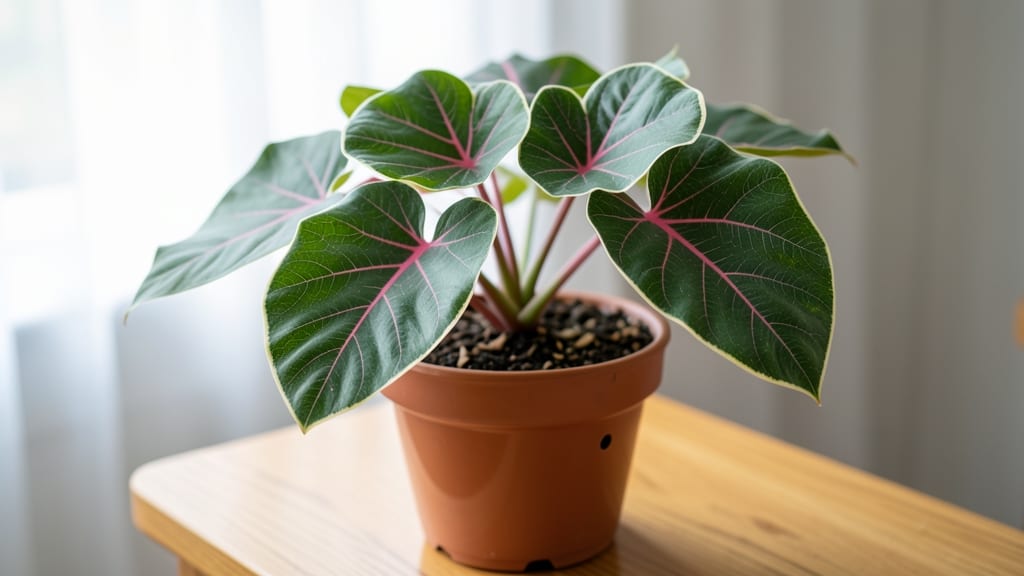
Caring for Angel Wings plants turns your containers into stunning tropical displays that thrive even when summer hits 90°F. 🌿 I’ve learned the hard way—overwatering or wrong soil turns their dramatic foliage into a sad, mushy mess—but with the right balance, these plants reward you with bold, heart-shaped leaves that last all season.
The secret is mimicking their jungle habitat: bright, indirect light (no harsh midday sun), well-draining soil mixed with perlite or orchid bark, and water only when the top inch feels dry.
My Angel Wings now bounce back from heatwaves because I keep them in humid conditions—a pebble tray with water or a humidifier does the trick.
By winter, they’ll slow down and may drop leaves, but don’t panic—just reduce watering and store them in a cool, dark spot. Come spring, they’ll burst back to life with vibrant new growth, ready to fill your containers with drama again.
Perfect for shady patios, porch pots, or even indoor spots near a window—just avoid drafts and cold snaps. Here’s how to keep them lush and pest-free all year.
📚 In This Guide
- What you need
- Instructions
- Tips and common mistakes
- Wrapping up and next steps
What you need
- ● Container: A well-draining pot (10–12" diameter) with drainage holes. Terracotta or ceramic works best for heat retention.
- ● Potting Mix: 1 bag (5–10 quarts) of well-draining, peat-based mix (e.g., African Violet mix). Add 20–30% perlite or orchid bark for aeration.
- ● Angel’s Wings Plant: 1 healthy nursery-grown cutting or small plant (check for vibrant, undamaged leaves).
- ● Watering Can: A spray nozzle or narrow spout to avoid overwatering.
- ● Fertilizer: A balanced liquid fertilizer (10-10-10) or slow-release granules for containers.
- ● Pruning Shears: Small, sharp shears for trimming leggy stems or dead leaves.
- ○ Mulch (Optional): A thin layer of orchid bark or coconut coir to retain moisture in hot climates.
- ○ Grow Lights (Optional): LED grow lights (if growing indoors with <12 hours of sunlight).
- ○ Humidity Tray (Optional): A pebble tray with water to boost humidity in dry conditions.
- ○ Plant Support (Optional): A small moss pole or trellis if your variety grows trailing.
Step-by-step guide to growing Angels Wings in containers
This heat-loving beauty thrives with minimal fuss—here's how to keep it lush and vibrant year-round.
🪴 Step 1: Select the Right Container and Soil Mix
Choose a 6-8 inch diameter pot with drainage holes—Angels Wings (Caladium bicolor) hates soggy roots but loves airy soil. I use a lightweight potting mix blended with 20% perlite to prevent compaction. The roots need room to breathe, so avoid heavy garden soil.
Fill the pot 2/3 full with your mix and press down gently—just enough to remove air pockets. The surface should feel firm but not packed. Add a slow-release fertilizer (5-10-5 ratio) to the bottom layer for steady nutrition. This ensures strong growth without frequent feeding.
🌱 Step 2: Plant Tubers at the Correct Depth and Spacing
Place each tuber (not the stem) 1-2 inches deep in the soil, with the eyes (growth points) facing upward. I space mine 4-6 inches apart—this prevents overcrowding and gives leaves room to unfurl dramatically. Press the soil lightly around the tubers to eliminate air gaps.
Water immediately after planting until the soil feels evenly moist to the touch. Avoid soaking—Angels Wings tubers rot quickly if waterlogged. Place the pot in bright, indirect light for the first week while roots establish. You'll see first shoots emerge in 2-3 weeks if conditions are right.
☀️ Step 3: Provide Ideal Light and Temperature Conditions
Angels Wings crave bright, indirect light—think east or north-facing windows. Direct sun scorches the leaves, while too little light dulls the vibrant patterns. I rotate my pots quarter-turn weekly to prevent leaning. In summer, move them to partial shade (3-4 hours of morning sun max).
Keep temperatures between 65-80°F—this plant wilts dramatically if stressed by heat or cold. A humidity tray (pebbles + water under the pot) helps maintain moisture-loving conditions. Watch for drooping leaves—a sign of either underwatering or overheating. Mist leaves occasionally, but avoid soggy soil.
💧 Step 4: Water and Fertilize for Vibrant Growth
Water when the top inch of soil feels dry—stick your finger in to check. Overwatering is the #1 killer, so I use a self-watering pot during summer's peak heat. Always water at soil level, never from above, to prevent fungal spots on the stunning foliage.
Feed every 4-6 weeks with a balanced liquid fertilizer (diluted to half-strength). I pause fertilization in winter when growth slows. The key is consistency—Angels Wings respond to steady care with bold, heart-shaped leaves that steal the show.
✂️ Step 5: Overwinter Tubers for Next Season's Bloom
When leaves yellow and die back in fall, stop watering and let the soil dry completely. Dig up tubers, brush off soil, and store them in a paper bag with dry peat moss in a cool (55-65°F), dark place. Check monthly—they should feel firm, not shriveled.
In spring, replant active tubers (those with visible growth points). Discard any that smell or feel mushy. This simple step ensures year-after-year drama from your heat-resistant container star. Your Angels Wings will reward you with showstopping foliage that lasts all season.
Tips & tricks for perfect Angels Wings plant care
Here's what nobody tells you about keeping your heat-loving Angels Wings thriving in containers—these details make all the difference.
Soil Mix Secret: The 20% perlite ratio in your lightweight potting mix isn't just about drainage—it creates the perfect air pockets that Angels Wings tubers crave. I've found that adding orchid bark (about 10% of the mix) gives even better aeration for those dramatic foliage patterns. Confession: I skipped this for years and wondered why my plants never reached their full potential.
Tuber Placement Technique: When planting those 1-2 inch deep tubers, make sure the "eyes" (growth points) face upward—this is non-negotiable. Here's what I learned the hard way: if you plant them sideways or upside down, the shoots will still push through, but they'll grow at odd angles and never develop those perfect heart-shaped leaves. Think of it like planting potatoes—precision matters!
Light Rotation Strategy: That quarter-turn weekly rotation in Step 3 isn't just about preventing leaning—it's about creating even growth patterns. I've seen plants develop uneven foliage when left in one position, with one side growing toward the light source. For maximum symmetry, I actually rotate mine every 5 days during peak growing season (spring/summer). The difference in leaf development is night and day.
Overwintering Insight: During that critical fall storage period, I've found that wrapping the paper bag containing tubers in a thin towel helps maintain just enough moisture without risking rot. The key is checking monthly—tubers should feel firm but not dry as bone. If you notice any soft spots when brushing off soil in spring, that tuber won't regrow properly. Discard those immediately to prevent spreading any potential rot to your healthy tubers.
Pro Tips for Angels Wings Plant Care
- Here's what nobody tells you about keeping your heat-loving Angels Wings thriving in containers—these details make all the difference.
- Soil Mix Secret: The 20% perlite ratio in your lightweight potting mix isn't just about drainage—it creates the perfect air pockets that Angels Wings tubers crave.
- Tuber Placement Technique: When planting those 1-2 inch deep tubers, make sure the "eyes" (growth points) face upward—this is non-negotiable.
Frequently asked questions
Got questions about keeping your Pteris multifida (Angels Wings fern) thriving in containers? Here are answers to the most common ones—so you can enjoy its lush, heat-resistant beauty without the guesswork!
How much sunlight does Angels Wings need in containers?
This fern loves bright, indirect light—think dappled shade or morning sun. Too much direct sun can scorch its delicate fronds, while too little light makes it leggy. A east-facing window or 3–6 feet from a south/west window works best. If outdoors, place it under tree canopy or a patio umbrella during peak heat.
Why are my Angels Wings fronds turning brown?
Brown tips or edges usually mean low humidity or overwatering. Check these fixes:
- Humidity boost: Mist leaves daily or use a pebble tray with water.
- Watering: Keep soil consistently moist (not soggy) and avoid tap water—use filtered or distilled instead.
- Fertilizer shock: If you’ve recently fed it, flush the soil with water to reduce salt buildup.
How often should I water my container-grown Angels Wings?
Water when the top 1–2 inches of soil feel dry (test with your finger!). In summer heat, this could be every 2–3 days, while winter slows it down to once a week. Drainage is key: Ensure your container has holes, and empty the saucer after watering to prevent root rot.
Can I grow Angels Wings in a small pot, or does it need space?
Yes! This fern thrives in containers as small as 6–8 inches wide, but it’ll grow faster in 10–12 inches. Use a well-draining potting mix (like a blend of peat, perlite, and orchid bark) to mimic its tropical, airy roots. Repot every 1–2 years if roots crowd the pot—spring is the best time!
What’s the best way to protect Angels Wings from heatwaves?
Heat stress shows up as wilted or crispy fronds. Beat the heat with these tricks:
- Shade cloth: Use a 30–50% shade cloth if moving it outdoors.
- Hydration hack: Water early morning or evening to reduce evaporation.
- Cooling spray: Lightly mist leaves on hot afternoons (avoid direct sun while wet).
- Move indoors: If temps hit 90°F+, relocate to a cool, humid room (like a bathroom).
What are some low-maintenance alternatives to Angels Wings?
If you love the look but want even easier care, try these heat-tolerant ferns:
- Boston Fern (Nephrolepis exaltata): Hardy and forgiving; loves humidity.
- Maidenhair Fern (Adiantum spp.): Thrives in partial shade and drought-tolerant once established.
- Staghorn Fern (Platycerium spp.): Epiphytic (grows on trees/rocks) and drought-resistant.
- Kimberly Queen Fern (Nephrolepis cordifolia): Fast-growing and heat-resistant in containers.
Wrapping up and next steps
Caring for your Angel’s Wings Begonia is all about balancing bright light, well-draining soil, and gentle hydration—plus a dash of patience as it adapts to container life. With the right setup, this heat-loving beauty will reward you with vibrant foliage and resilience, even in small spaces. 🌿
Now that you’re armed with tips, take the next step: grab your container, gather your supplies, and give your Angel’s Wings the love it deserves. Watch it thrive—and don’t forget to share your progress with fellow plant parents! 🌟