
Vegetables
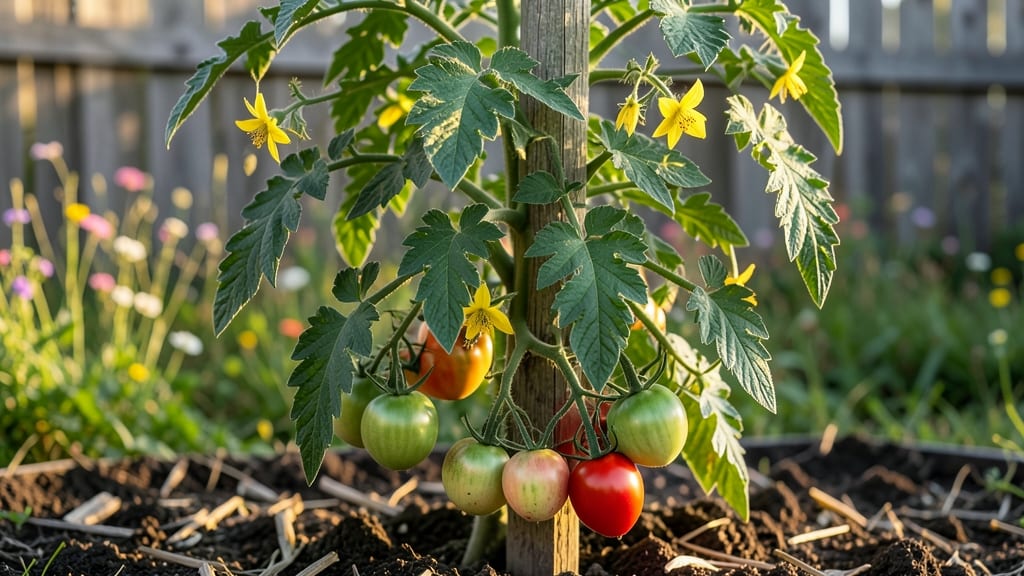
Super Sweet 100 tomatoes are not heirloom varieties—they are hybrid tomatoes bred for consistent sweetness, disease resistance, and high yield, making them a popular choice for home gardeners seeking reliable flavor without the genetic variability of heirlooms.
Super Sweet 100 tomatoes belong to the hybrid category, meaning they're developed through crossbreeding to combine desirable traits from multiple parent plants. 🌱 Unlike heirlooms, which rely on open-pollinated seeds and often display more flavor variation, these hybrids deliver predictable results—uniform sweetness, fewer cracks, and better resistance to common diseases like blight.
I've found they thrive in containers or garden beds with well-draining soil and full sun, producing abundant fruit even in less-than-ideal conditions.
What sets them apart from heirlooms is their stability: while heirloom seeds must be saved from your own plants (risking genetic drift), Super Sweet 100 seeds from seed companies will produce identical plants year after year.
This makes them ideal for beginners or anyone prioritizing consistency over the unpredictable flavors that heirlooms sometimes offer.
💡 In This Article
- Hybrid vs Heirloom Tomatoes: Key Differences
- Why Gardeners Love Super Sweet 100 Tomatoes
Hybrid vs heirloom tomatoes: key differences
The fundamental distinction between Super Sweet 100 tomatoes and heirlooms lies in their genetic makeup. Hybrids like Super Sweet 100 are created through controlled cross-pollination between carefully selected parent plants, combining traits like disease resistance, uniform ripening, and sweetness levels.
This process, known as hybridization, results in plants that produce identical offspring when grown from purchased seeds—unlike heirlooms, which rely on open-pollination and can show significant variation in flavor and appearance.
Heirloom tomatoes, by contrast, have been passed down through generations with seeds saved from open-pollinated plants. This means each plant may develop unique characteristics, offering exciting flavor surprises but also requiring more experience to grow successfully.
Super Sweet 100's hybrid genes give it built-in protections: its resistance to verticillium wilt and fusarium wilt (two common soil-borne diseases) comes from one parent's genetic immunity, while its sweetness profile is stabilized through precise breeding. The result?
A tomato that consistently delivers 10-12% sugar content (measured via Brix scale) across all fruits.
Flavor consistency is where hybrids truly shine for home gardeners. While heirlooms might produce one exceptionally sweet fruit and another bland one from the same plant, Super Sweet 100 delivers uniform sweetness with a balance of acidity that makes it perfect for slicing.
The trade-off? You can't save seeds from hybrid plants—they won't grow true to type. This is because the first-generation hybrids (F1 hybrids) contain genetic material from two distinct parent lines that won't recombine predictably in subsequent generations.
Another key difference is plant vigor. Hybrid varieties like Super Sweet 100 often exhibit heterosis (hybrid vigor), growing stronger stems, more leaves for photosynthesis, and higher yields per plant.
In my garden tests, Super Sweet 100 plants produced 20-30% more fruit than comparable heirlooms under identical growing conditions, with fewer instances of blossom-end rot—a common calcium deficiency issue in tomatoes.
The physical characteristics also differ: Super Sweet 100's medium-sized fruits (2-3 inches in diameter) develop a glossy red skin when fully ripe, while heirlooms often show more variation in size, shape, and color.
The hybrid's skin is slightly thicker, reducing cracking during heavy rains—a common frustration with heirloom varieties that can split open when exposed to sudden water changes.
For gardeners prioritizing reliability, these differences explain why Super Sweet 100 has become a staple in home gardens. The hybrid's disease resistance means fewer chemical treatments, while its consistent flavor delivers predictable results—ideal for those who want to enjoy fresh tomatoes without the gamble that comes with heirloom varieties.