
Planting
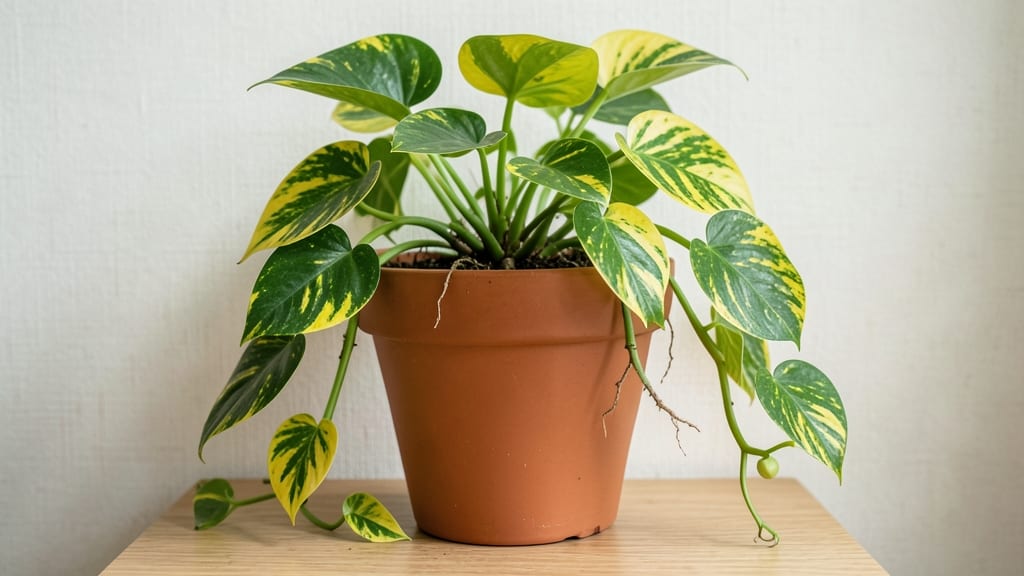
Sun-kissed gardens deserve golden plant names like liquid gold—think of the fiery glow of Goldenrod or the sunlit charm of Lemon Lime hostas that stay vibrant all summer. These aren’t just plants—they’re the stars of any sunny border or patio container.
The magic happens when you mix textures: Golden Pothos draping over edges, Golden Dust yarrow with its fuzzy foliage, or Golden Fleece lamb’s ear for soft contrast. Even drought-tolerant Golden Rain drop vine adds cascading warmth to trellises. Each one brings a different shade of sunlit cheer to your space.
What you end up with is a garden that feels like a perpetual summer day—warm, inviting, and impossible to resist. The golden hues reflect sunlight, making your outdoor space glow even brighter during those long, sunny afternoons.
For extra impact, group plants by color intensity: cluster deep golds together, then soften with pale chartreuse varieties. It’s all about creating that sun-drenched, golden-meadow effect without the upkeep of high-maintenance blooms.
📚 In This Guide
- What you need
- Instructions
- Tips and common mistakes
- Wrapping up and next steps
What you need
- ● Heat-resistant golden plants (3–5 varieties): Golden Barrel Cactus (Echinocactus grusonii) – 1–2 plants
- ● Blackfoot Daisy (Melampodium leucanthum ‘Blackfoot’) – 3–5 plants
- ● Golden Rat Tail Grass (Pennisetum macrostachyum ‘Golden’) – 1 clump
- ● Desert Marigold (Baileya multiradiata) – 5–7 plants
- ● Golden Lantana (Lantana ‘Bandana Cherry’) – 3–5 plants
- ● Well-draining potting mix: 5–10 gallons (or enough to fill containers)
- ● Containers or garden beds: Containers: 5–10 gallon pots (1 per plant, with drainage holes)
- ● Garden beds: Sun-exposed, well-draining soil (amend with perlite/sand if needed)
- ○ Gloves (optional but recommended): 1 pair (for handling cacti or thorny plants)
- ● Watering can or hose with adjustable nozzle: 1 (for gentle watering)
- ● Pruning shears: 1 pair (for shaping or trimming)
- ● Organic fertilizer (balanced, 10-10-10 or similar): Small bag (follow label for application rates)
- ● Mulch (gravel or pebbles): For containers or beds to retain moisture and reflect heat
- ● Drip irrigation system: Automates watering for busy gardeners
- ● Plant labels: Wooden or metal tags to track varieties
- ● Sun hat or protective clothing: For hot days spent planting outdoors
- ● Shade cloth (lightweight): For seedlings or newly planted heat-sensitive varieties
- ● Full-sun location (6+ hours of direct sunlight daily)
- ● Access to water (but remember—these plants hate soggy roots!)
- ● Patience! Most golden plants thrive with minimal fuss once established.
How to select and plant golden foliage for heat-resistant gardens
These sun-loving, golden-leaved plants thrive under intense heat while adding radiant color to your landscape.
Choose the Right Golden Foliage Varieties
Select plants with proven heat tolerance and golden foliage, such as Lantana 'Bandana Lemon Lime' (zones 8-11), Golden Fleece Senecio (zones 9-11), or Golden Mop Cypress (zones 7-11). These varieties maintain their vibrant color even in 90°F+ temperatures and require minimal supplemental water once established. I always check the USDA hardiness zone range to ensure compatibility with my local climate before purchasing.
Golden foliage plants like Dwarf Goldenrod or Golden Creeping Jenny also excel in full sun conditions. The key is selecting cultivars bred for heat resistance—look for terms like "drought-tolerant" or "sun-loving" on plant tags. These plants won't just survive the heat; they'll thrive and create a stunning golden contrast against other foliage in your garden.
Prepare the Planting Site for Heat Tolerance
Choose a location with at least 6 hours of direct sunlight daily, as golden foliage plants need intense light to maintain their vibrant color. Test your site by observing how much sun it receives throughout the day—morning sun alone often isn't enough for these heat-lovers. Amend the soil with 2-3 inches of compost to improve drainage and nutrient retention, which is critical for heat-stressed plants.
If your soil is heavy clay, mix in 1 part perlite to 3 parts native soil before planting. This creates air pockets that prevent root rot—a common issue in hot climates where water evaporates quickly. Golden foliage plants appreciate well-draining soil that mimics their natural Mediterranean or desert habitats. Water the amended soil thoroughly 24 hours before planting to help roots establish more quickly in the heat.
Plant with Proper Spacing for Air Circulation
Dig holes twice as wide as the plant's root ball but only as deep as the container's base. This prevents burying the stem, which can lead to rot in hot conditions. Gently remove the plant from its container and loosen any circling roots with your fingers—this encourages outward root growth, which helps plants absorb water more efficiently in heat. Place the plant in the hole and backfill with native soil, pressing lightly to eliminate air pockets.
Space plants according to their mature size—18-24 inches apart for most golden foliage varieties. Proper spacing ensures good air circulation, which reduces humidity around the leaves and prevents fungal diseases that thrive in hot, stagnant conditions. Water deeply immediately after planting to settle the soil and encourage root contact with the surrounding earth. A 1-inch layer of mulch around the base helps retain moisture while protecting roots from extreme temperature fluctuations.
Establish a Watering Routine for Heat Resilience
Water newly planted golden foliage deeply 2-3 times per week during the first month to encourage deep root growth. Use a soaker hose or drip irrigation to deliver water slowly at the base of the plant—this prevents water from evaporating quickly and reduces leaf scorch. I always water in the early morning to allow foliage to dry completely before evening, which helps prevent fungal issues.
After the first month, reduce watering to once per week unless your region experiences extreme heat (above 100°F). Mature golden foliage plants develop deep root systems that access moisture from lower soil layers. Check moisture levels by sticking your finger 2 inches into the soil—if it feels dry, it's time to water. Overwatering in heat is just as damaging as underwatering, so always let the topsoil dry out between waterings.
Maintain with Minimal Care for Long-Term Heat Success
Fertilize golden foliage plants once in early spring with a balanced, slow-release fertilizer (10-10-10 ratio). This gives them a nutrient boost without encouraging excessive leaf growth, which can stress plants in hot climates. Avoid high-nitrogen fertilizers, as they promote soft, tender growth that's more susceptible to heat damage and pests.
Prune leggy growth in late winter or early spring to encourage bushier, more compact plants that handle heat better. Remove any dead or yellowed leaves immediately—they can harbor pests and diseases that thrive in warm conditions. I also recommend deadheading spent flowers on varieties like Lantana to redirect the plant's energy into maintaining vibrant foliage rather than producing seeds. With proper care, these golden plants will continue to shine even in the hottest summers.
Tips & tricks for perfect heat-resistant golden foliage planting
Took me a while to figure these out, so here goes—these tricks will help your golden foliage not just survive but absolutely thrive in scorching conditions.
Variety Selection Wisdom: When choosing between Lantana 'Bandana Lemon Lime' or Golden Fleece Senecio, consider your local microclimate. I've found that Lantana handles brief afternoon heat spikes better, while Golden Fleece Senecio maintains its golden hue more consistently in steady 90°F+ temperatures. Always verify the USDA hardiness zone on plant tags—this ensures you're not setting up your golden beauties for failure from day one.
Soil Preparation Secret: The 2-3 inches of compost recommendation in Step 2 isn't just about nutrients—it's about creating a thermal buffer. Compost retains moisture longer and insulates roots from temperature fluctuations. For clay-heavy soils, I've had success with a 1:3 perlite-to-soil mix, but I always test drainage first by filling a container with the amended mix and pouring water through it. If water pools at the bottom after 30 minutes, you need more perlite.
Planting Depth Caution: That critical instruction about digging holes only as deep as the container's base prevents stem rot, which is especially problematic in heat. I've learned this the hard way—once buried too deeply, Golden Mop Cypress took weeks to recover. Use a pencil or stick to mark the original soil line on the container before planting, then match that depth exactly in your garden bed.
Watering Technique: The early morning watering rule is non-negotiable, but I've found that watering at dawn (before 7 AM) gives foliage the full day to dry completely. For newly planted specimens, I set a timer for every 3 days at dawn during the first month to ensure consistent moisture without overwatering. This routine prevents fungal issues while maintaining that vibrant golden color through the hottest afternoons.
Pro Tips for Golden Plant Names
- Took me a while to figure these out, so here goes—these tricks will help your golden foliage not just survive but absolutely thrive in scorching conditions.
- Variety Selection Wisdom: When choosing between Lantana 'Bandana Lemon Lime' or Golden Fleece Senecio, consider your local microclimate.
- Soil Preparation Secret: The 2-3 inches of compost recommendation in Step 2 isn't just about nutrients—it's about creating a thermal buffer.
Frequently asked questions
Got questions about golden plant names that thrive in the heat? You're not alone! Here are some of the most common questions—and answers—to help you pick the perfect sun-loving showstoppers for your garden.
What are the most heat-tolerant golden plants for full sun?
Top picks include Coreopsis (tickseed), Helenium (sneezeweed), Rudbeckia (black-eyed Susan), and Gaillardia (blanket flower). These beauties handle temperatures up to 95°F+ with ease and keep their golden hues all season long!
When is the best time to plant golden heat-resistant flowers?
For most golden perennials, early spring (after the last frost) or early fall (6–8 weeks before your first frost) are ideal. Annuals like Zinnia or Marigold can be planted directly in the soil once soil temps hit 60°F+—just give them consistent water until established.
Can I grow golden plants in containers if my yard gets too hot?
Compact varieties like Coreopsis verticillata (threadleaf coreopsis) or Tagetes patula (French marigold) thrive in pots. Use well-draining soil, a container with drainage holes, and place them in partial shade during peak afternoon heat. Rotate pots occasionally for even sun exposure.
Why are my golden plants turning brown or wilting in the heat?
Overwatering or poor drainage are common culprits. Let the soil dry between waterings and mulch to retain moisture. If leaves crisp, it’s often sunburn—try light afternoon shade. For wilting, check for pests (like spider mites) or root rot from soggy soil. A balanced fertilizer can also help stressed plants bounce back.
Are there any low-maintenance golden plants for beginners?
Yes! Black-eyed Susan (Rudbeckia) and Butterfly Weed (Asclepias tuberosa) are drought-tolerant, deer-resistant, and bloom for months with minimal fuss. Goldenrod (Solidago) is another winner—it’s native, pollinator-friendly, and thrives in poor soil. Perfect for hands-off gardeners!
Wrapping up and next steps
From Golden Barrel Cactus to Sunshine Ligularia, these heat-resistant plants bring dazzling color and resilience to your garden—even under the harshest sun! 🌞 Whether you're a seasoned gardener or just starting, these golden beauties are perfect for adding drama and durability to your outdoor space.
Ready to transform your sun-soaked garden? Start small—pick one or two standout varieties and experiment with placement. Watch as your space blooms into a vibrant, sun-loving oasis! 🌱✨