
Flowers
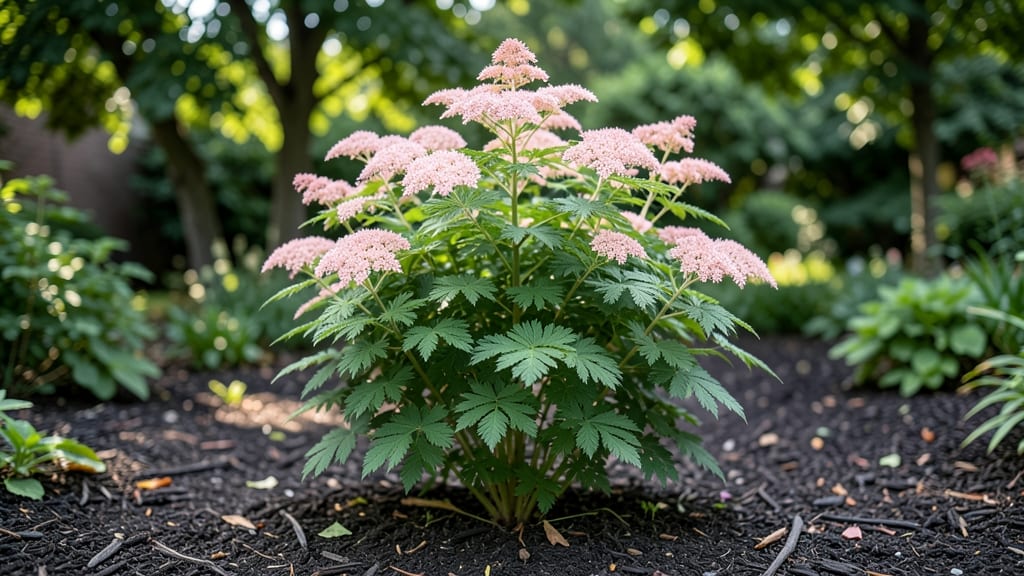
Astilbe in Zone 4 thrives with well-draining soil, partial shade protection, heavy winter mulching, and consistent moisture control to prevent root rot. Opt for cold-tolerant varieties like 'Fanal' or 'Deutschland' to ensure survival through harsh winters.
Growing astilbe in Zone 4's freezing winters requires strategic planning to protect its delicate roots while encouraging vibrant blooms. 💫 The key is balancing moisture—astilbe loves damp soil but despises soggy conditions, which can lead to rot during spring thaw.
I've found that planting in spring (after last frost) gives roots time to establish before winter, while fall planting works only in mild autumns. For extra insulation, use 3-4 inches of shredded bark mulch around the base, but keep it 2 inches away from stems to prevent moisture buildup.
What sets Zone 4 astilbe apart is its ability to bounce back from winter dormancy with proper care. Varieties like 'Deutschland' boast deep purple plumes that survive -20°F temperatures, while 'Fanal' offers bright pink blooms that thrive in partial shade gardens.
The trade-off? These cold-hardy types often bloom slightly later than southern varieties, but their resilience makes them worth the wait for northern gardeners.
💡 In This Article
- Cold-Resistant Astilbe Varieties for Zone 4 Gardens
- Step-by-Step Zone 4 Astilbe Planting and Care Guide
Cold-resistant astilbe varieties for Zone 4 gardens
The secret to astilbe's winter survival in Zone 4 lies in its genetic hardiness ratings and growth habits. Varieties like Astilbe 'Deutschland' (USDA Zone 3-8) can withstand temperatures down to -30°F, thanks to its thick, woody rhizomes that store energy for regrowth.
The key difference between cold-hardy and tender astilbes is their root structure—hardy types develop deeper, more robust rhizomes that insulate against freezing soil better than shallow-rooted varieties.
Another critical factor is bloom timing. Cold-resistant astilbes often delay flowering until late summer (around August-September) to avoid frost damage to their delicate plumes.
For example, 'Fanal' produces vibrant pink blooms that mature after the worst winter weather has passed, while southern varieties might bloom in early summer and risk frost damage. The trade-off? These late-blooming types offer extended garden interest when many other perennials have finished their display.
Foliage durability also matters—hardy astilbes maintain their deep green or burgundy leaves through winter, providing year-round structure. 'Deutschland''s purple foliage stays intact even under snow, while its feathery plumes add texture to winter landscapes.
This makes them excellent choices for gardeners who want four-season interest rather than just summer color. The secret is selecting varieties bred for cold climates rather than those adapted to milder regions.
What most gardeners don't realize is how soil temperature affects survival. Even cold-hardy astilbes struggle when soil freezes solid—this is why mulching depth matters.
A 3-4 inch layer of shredded bark maintains soil temperatures 5-10°F warmer than unmulched ground, which can mean the difference between survival and rot during freeze-thaw cycles. The mulch acts like a thermal blanket, protecting the rhizomes while allowing moisture to penetrate gradually.
Consider these key characteristics when choosing:
- Hardiness Zone: Look for varieties rated Zone 3-5 (e.g., 'Deutschland', 'Bridal Veil')
- Bloom Time: Late summer/fall bloomers avoid frost damage (e.g., 'Fanal', 'Amethyst')
- Foliage Color: Deep purple or burgundy leaves provide winter interest (e.g., 'Deutschland', 'Purple Haze')
- Rhizome Size: Larger divisions (3+ inches) establish faster in cold climates
The science behind this resilience involves astilbe's ability to enter dormancy early. When night temperatures drop below 50°F, these plants trigger physiological changes that slow metabolism and prevent cell damage from ice crystals forming in tissues.
This adaptive mechanism explains why properly sited astilbes can survive winters that would kill more tender perennials.