
Planting
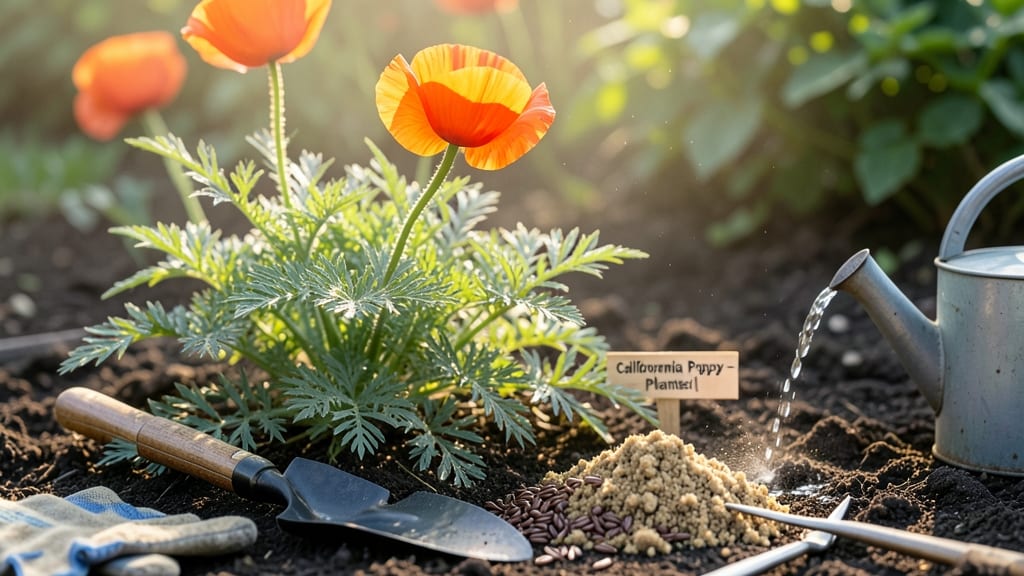
Planting poppy seeds outdoors unlocks those dreamy, cup-shaped blooms that seem to appear overnight—I’ve watched them transform bare soil into a sea of color in just 4 weeks. 🌸 The secret? Timing, loose soil, and a little patience.
Unlike many flowers, poppies thrive when sown directly in the ground, no starter pots needed. Poppies love cool weather and sunny spots, making them perfect for early spring or fall planting.
Scatter seeds shallowly (just ¼ inch deep) in well-draining soil and keep them moist until sprouts appear—usually within 10-14 days. Overcrowding is their enemy, so space seeds 6-12 inches apart for those classic nodding blooms. Once established, poppies are low-maintenance darlings.
Water lightly after germination, then let nature take over—they’re drought-tolerant once roots set. Deadhead spent blooms to encourage more flowers, and watch as they self-seed for years of effortless beauty. Great for borders, cottage gardens, or even wildflower meadows. Here’s how to make them thrive without the guesswork!
📚 In This Guide
- What you need
- Instructions
- Tips and common mistakes
- Wrapping up and next steps
What you need
- ● Poppy seeds: Choose Papaver species like Papaver rhoeas (corn poppy) or Papaver somniferum (opium poppy). Buy 1–2 packets (500–1,000 seeds) for a full bloom display.
- ● Well-draining soil: Mix 1 part garden soil with 1 part compost or use a light, sandy loam (pH 6.0–7.5). Avoid heavy clay!
- ● Sunlight: A full-sun location (6+ hours daily)—poppies thrive in bright light.
- ● Water: A watering can or hose with a gentle spray nozzle (poppies hate soggy soil!).
- ● Planting site: A raised bed or open ground with good airflow (poppies detest humidity).
- ● Seed starter tray: For head starts indoors (if sowing early).
- ● Row cover or cloches: Protect seedlings from pests (like slugs) or late frosts.
- ● Slow-release fertilizer: A balanced 10-10-10 (1 tbsp per sq. ft.) boosts growth.
- ● Mulch (straw or shredded leaves): Keeps soil moist without suffocating seeds.
- ● Pruning shears: For deadheading spent blooms to encourage more flowers.
Step-by-Step instructions for planting poppy seeds outdoors
Poppies thrive on patience and simplicity—here’s how to grow them with minimal fuss.
🌱 Step 1: Choose the Right Location and Timing
Poppy seeds germinate best in cool soil (50-70°F), so plant them outdoors 4-6 weeks before your last frost date. I always aim for early spring or late summer for fall blooms. Select a spot with full sun (6+ hours daily)—poppies won’t tolerate shade, and their stems will stretch weakly toward any available light.
Loosen the soil to a depth of 6 inches with a garden fork or tiller. Poppies prefer well-draining soil, so amend heavy clay with compost or coarse sand if needed. Avoid freshly tilled soil—wait at least a week to let it settle, or the seeds may dry out before germinating.
🌱 Step 2: Scatter Seeds Lightly on the Soil Surface
Poppy seeds are tiny and light—never bury them. Simply sprinkle them 1/8 inch deep or less across the prepared bed. I use a pinch between my fingers and let the wind carry them to avoid clumping. Space seeds 6-12 inches apart for single blooms or 18 inches apart for fuller clusters. Overcrowding leads to leggy stems and fewer flowers.
Gently press the seeds into the soil with your fingertips or the back of a rake. A light covering of straw mulch (1/4 inch thick) helps retain moisture without smothering the seeds. Water the area thoroughly until the soil is damp 1 inch deep, but avoid creating a soggy surface—poppy seeds rot if buried too deep or overwatered.
☀️ Step 3: Maintain Moisture and Watch for Germination
Keep the soil consistently moist (not soggy) until germination, which typically occurs in 7-14 days. You’ll see the first tiny green shoots when the soil surface feels damp but not wet to the touch. Poppies are drought-tolerant once established, but seedlings need steady moisture to avoid wilting.
Reduce watering once the first true leaves appear—overwatering at this stage causes damping-off, a fungal disease that collapses seedlings overnight. I water early in the morning to let excess moisture evaporate before nightfall. Avoid wetting the leaves, as this encourages mildew. Once seedlings are 2 inches tall, you can taper off to watering only when the top 2 inches of soil feel dry.
✂️ Step 4: Thin Seedlings and Support Tall Varieties
When seedlings reach 3-4 inches tall, thin them to the desired spacing to give roots room to grow. Snip unwanted seedlings at the base with scissors—don’t pull them, or you’ll disturb the roots of neighboring plants. This is also the time to stake tall poppy varieties like California poppies or Iceland poppies if they exceed 12 inches in height.
Use bamboo stakes or small mesh cages to prevent wind damage. Poppies are delicate when young, and strong breezes can snap their stems. Once established, they’ll stand on their own, but early support ensures thicker stems and more robust blooms. Fertilizer isn’t necessary—poppies thrive in lean soil and may even bolt if overfed.
🌿 Step 5: Enjoy Blooms and Collect Seeds for Next Year
Poppies bloom in 4-6 weeks after planting, depending on the variety. You’ll know they’re ready when the buds swell and the petals begin to unfurl. Deadhead spent blooms by snipping the stem just above the first set of leaves to encourage more flowers. Save the seed pods for next season—they’re easy to collect once they turn brown and dry.
Leave a few pods on the plant to ripen naturally. Shake them over a paper bag once they’re dry, and store the seeds in a cool, dark place for up to two years. Poppies self-seed readily, so you’ll likely find volunteers popping up in future seasons with minimal effort. The key is patience—these fleeting but stunning blooms reward careful planting with weeks of vibrant color.
Tips & tricks for planting poppy seeds outdoors
Mastering poppy seed planting is all about timing and gentle handling—here's how to avoid common pitfalls while maximizing your blooms.
Soil Temperature Matters: The 50-70°F soil temperature range in Step 1 is non-negotiable for germination. I test soil temp with a simple thermometer buried 2 inches deep—if it's below 50°F, wait a few days or use black plastic mulch to warm the soil faster. Cold soil delays germination by weeks, and poppy seeds won't tolerate freezing temperatures once planted.
Seed Spacing Secret: In Step 2, the 6-12 inch spacing recommendation might seem generous, but it's crucial. I've found that planting seeds in loose clusters (rather than straight lines) creates a more natural, cottage-garden look while preventing overcrowding. For dramatic displays, try planting in concentric circles with 18-inch spacing between clusters.
Germination Watch: Those 7-14 days for germination in Step 3 can feel like forever, but patience pays off. I mark seed locations with toothpicks labeled with planting dates—this helps track which seeds haven't sprouted. If no germination occurs after 21 days, the seeds may have been too old or buried too deeply. Store seeds in a cool, dark place for up to 2 years if you need to replant.
Thinning Technique: When thinning in Step 4, I use clean, sharp scissors to snip seedlings at soil level rather than pulling. This prevents disturbing the roots of remaining plants and reduces the risk of soil-borne diseases. For large plantings, consider thinning in stages—remove half the seedlings when they're 3 inches tall, then thin the rest when they reach 4 inches.
Pro Tips for Plant Poppy Seeds Outdoors
- Mastering poppy seed planting is all about timing and gentle handling—here's how to avoid common pitfalls while maximizing your blooms.
- Soil Temperature Matters: The 50-70°F soil temperature range in Step 1 is non-negotiable for germination.
- Seed Spacing Secret: In Step 2, the 6-12 inch spacing recommendation might seem generous, but it's crucial.
Frequently asked questions
Got questions about growing poppies from seed? You’re not alone—these delicate blooms spark curiosity (and the occasional panic when they don’t behave as expected!). Below, we’ve tackled the most common queries to help you plant with confidence.
When is the best time to plant poppy seeds outdoors?
Poppy seeds thrive in cool weather—aim to sow them 4–6 weeks before your last frost date (early spring) or in late summer for a fall display. They germinate best in soil temps between 45–75°F (7–24°C). Avoid planting when daytime temps exceed 80°F (27°C), as heat can trigger early flowering or poor germination.
Why aren’t my poppy seeds germinating?
Poppy seeds need light to germinate—don’t bury them! Scatter them on top of the soil and press lightly. Other culprits include:
- Too much moisture: Keep soil evenly moist but not soggy.
- Old seeds: Use seeds from the current year for best results.
- Poor soil: Amend with compost for better drainage.
Can I plant poppy seeds in containers or do they need a garden bed?
Poppies adapt well to containers, window boxes, or raised beds as long as the pot has drainage holes and depth of at least 6 inches. Use a light, sandy loam mix to prevent rot. Just avoid overcrowding—space seeds 6–12 inches apart (depending on the variety) for full, airy blooms.
Are poppy seeds toxic to pets or kids if ingested?
While poppy seeds themselves are non-toxic, the plant’s milky sap (found in stems/leaves) can cause mild skin irritation or stomach upset if ingested in large amounts. Keep pets away from chewing stems, and supervise young children. Opt for pet-safe varieties like Papaver rhoeas (common poppy) if you’re extra cautious.
How do I get poppies to rebloom after the first flush of flowers?
Most poppies are annuals or short-lived perennials and focus energy on seed production after flowering. To encourage a second bloom:
- Deadhead spent blooms (but leave some seeds for next year!).
- Fertilize lightly with low-nitrogen, high-phosphorus fertilizer (e.g., 5-10-10) after the first flowers fade.
- Water deeply but reduce frequency to stress the plant slightly—this can trigger new growth.
Pro Tip:
Poppies are self-seeding champions—let some flowers go to seed, and you’ll get a free show next year! If you want to control spread, collect seeds before they scatter or deadhead aggressively.
Wrapping up and next steps
Planting poppy seeds outdoors is a rewarding journey that brings vibrant blooms to your garden in just a few weeks! 🌸 With the right soil, sunlight, and patience, you’ll enjoy stunning flowers that thrive even in cooler climates.
Whether you’re a beginner or a seasoned gardener, these cold-hardy beauties are easy to grow—and the results are worth every effort.
Now that you’re ready to plant, grab your gloves and get started! Share your progress with fellow gardeners or take photos of your blooms to track your success. Happy planting—your garden will thank you! 🌱