
Planting
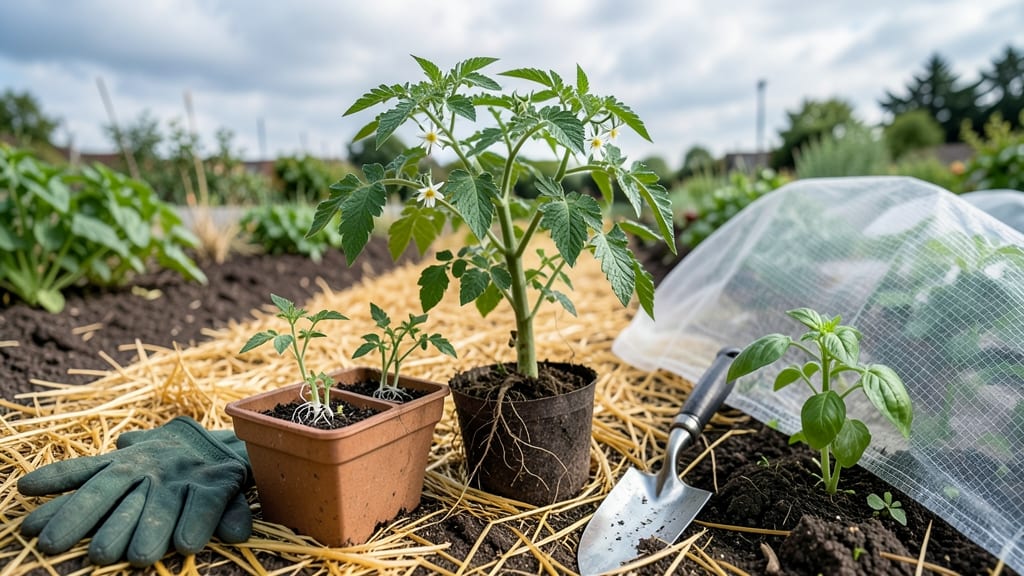
Knowing the average last frost date in Zone 7A helps you time your planting between April 15 and May 1, though local conditions can shift those windows by weeks. For frost-sensitive plants, wait until mid-May when the 10% frost risk threshold is safely passed.
Zone 7A's frost timing varies more than you'd think—even within the same county. Elevation plays a huge role: mountain valleys often see frost linger until May 10, while lower elevations near rivers might be frost-free by April 20. 🌿 I always check local NOAA records for the past 10 years, as urban areas can be 2-3°F warmer than rural spots, creating microclimates where tomatoes might thrive when neighbors are still waiting.
The USDA's frost maps give a baseline, but your actual last frost could be 2 weeks earlier or later depending on these factors.
Here's why timing matters: Cool-season crops like broccoli and peas can handle light frosts, but warm-season favorites like beans and squash need consistent warmth. Mid-May becomes your safety net—most gardeners in Zone 7A have seen frost return as late as May 10, so tropical plants like hibiscus should wait until then.
I've learned the hard way that rushing warm-season plants too early can mean lost crops when a late freeze hits!
💡 In This Article
- Factors Influencing Zone 7A Frost Timing
- Zone 7A Planting Calendar by Frost-Free Timeline
Factors influencing zone 7A frost timing
Zone 7A's frost patterns are shaped by a mix of geography and climate science. The region's latitude (roughly 36-39°N) places it in a transition zone where cold Arctic air masses occasionally push south, but warmer subtropical influences also play a role.
At this latitude, the sun's angle increases rapidly in spring, but cold air can still settle in low-lying areas, creating frost pockets that persist longer than expected. 🌡️ The key mechanism here is temperature inversion—warmer air traps cold air near the ground, especially in valleys, where frost can linger until May 10 or later.
Elevation creates dramatic variations within Zone 7A. Every 1,000 feet of elevation gain typically delays frost by 3-5 days.
For example, a garden at 1,500 feet in the Appalachians might see its last frost on May 5, while a coastal plain garden at 500 feet could be frost-free by April 25.
This is because higher elevations experience more rapid temperature drops at night due to thinner atmosphere and reduced heat retention. NOAA data shows that mountain locations in Zone 7A average 5-7°F cooler nights than nearby valleys during spring.
Urban heat islands add another layer of complexity. Cities like Raleigh, NC, and Richmond, VA, can be 2-5°F warmer than surrounding rural areas, creating microclimates where frost arrives later or never occurs at all. This urban warming effect is most pronounced at night when buildings and pavement radiate stored heat.
However, the flip side is that urban areas can also experience sudden cold snaps when Arctic fronts push through, sometimes dropping temperatures 15°F in 24 hours—making late April plantings risky even in city gardens.
Historical climate records reveal that late-season frosts are more common than most gardeners realize. The USDA's frost maps show a 10% frost probability threshold, but in Zone 7A, we've seen frosts as late as May 15 in 1 out of 10 years.
These late frosts often occur when high-pressure systems stall over the region, creating clear nights with radiational cooling. For tropical plants like eggplants or sweet potatoes, this means waiting until May 20 for true safety, even though the average last frost may be weeks earlier.
Wind patterns also influence frost timing. Coastal areas in Zone 7A often experience moderating ocean breezes that prevent temperature drops below 32°F, while inland locations can see ground frosts even when air temperatures hover around 35°F.
This is why gardeners near the Atlantic coast might plant heat-loving tomatoes by April 20, while those 50 miles inland should wait until May 1.
The Gulf Stream's influence extends this moderating effect up the East Coast, creating a 1-2 week planting window advantage for coastal Zone 7A gardeners compared to their inland counterparts.
What most gardeners don't realize is how soil temperature affects frost sensitivity. Even when air temperatures reach 50°F, soil may remain 40°F or cooler, which can stunt young plants or prevent seed germination.
This is why many Zone 7A gardeners use soil thermometers—they'll see 55°F soil temps in mid-April when air temps are already comfortable, signaling safe planting for warm-season crops. The 50°F soil temperature threshold is particularly critical for seeds like beans and squash, which won't germinate effectively in cooler conditions.