
Planting
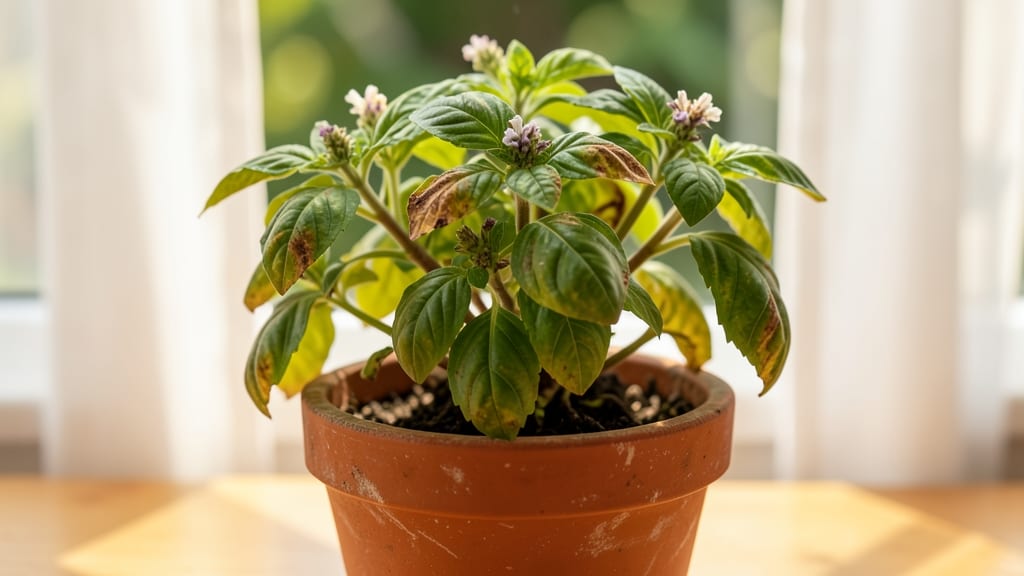
Brown stems on your basil mean it's fighting for its life—but there's almost always a simple fix. 🌱 I’ve nursed back dozens of plants from this exact problem, and the key is figuring out whether your basil is thirsty, sick, or just stressed from too much love (yes, overwatering is the usual culprit).
The good news? Most cases don’t require harsh chemicals—just a few targeted adjustments and a little patience.
First, check the soil: if it’s soggy, you’re overwatering; if it’s bone-dry, you’re underwatering. Brown stems often start at the base, which could signal Fusarium wilt (a stubborn fungal disease) or nutrient burn from too much fertilizer.
Look for yellowing leaves or blackened stems—those are red flags. Pests like aphids or spider mites can also weaken stems, leaving them crispy and brown.
Here’s the game-changer: prune back the affected stems by ½ inch above the brown spot, then adjust your watering. Basil needs 1–1.5 inches of water per week, but it hates wet feet.
If fungal disease is the issue, treat with neem oil or copper fungicide—but only after pruning to improve airflow. Within 10–14 days, you’ll see new green growth if you catch it early.
Prevention is easier than fixing: rotate your basil every few weeks, avoid overhead watering, and fertilize lightly (every 3–4 weeks with a balanced 10-10-10 mix). The goal is consistent moisture, not soggy soil—and healthy stems that stay green all season. Trust me, your next harvest will taste like victory.
Root Causes Of Stem Discoloration
Understanding why your basil plant’s stems turn brown is the first step to saving it. Brown stems in basil are rarely a sign of a single problem—they’re usually a cry for help from your plant, triggered by stress from multiple angles.
Let’s break down the most common culprits, backed by science, so you can diagnose the issue like a pro.
Basil thrives on consistency, but too much love in the form of water can drown its roots. When soil stays soggy for too long, oxygen is cut off, and roots suffocate.
This leads to anaerobic conditions, where harmful bacteria and fungi (like Pythium or Phytophthora) take over, causing stems to turn brown, mushy, or black.
Why it happens:
- Waterlogged soil disrupts nutrient uptake, starving the plant.
- Root rot spreads quickly in basil, especially in containers with no drainage holes.
- Fungal infections thrive in damp, stagnant environments, clogging the plant’s vascular system.
Actionable clue: If the soil smells sour or the stems feel soft when pressed, overwatering is likely the villain.
Basil is a tender tropical—it hates cold snaps, drafts, or sudden temperature swings. When exposed to below 50°F (10°C), basil’s stems can develop brown patches as cells rupture from cold damage. Heat stress (above 90°F/32°C) also causes wilting and browning by accelerating moisture loss.
Why it happens:
- Cold damage disrupts cell membranes, leading to oxidative stress and necrosis (dead tissue).
- Heat shock forces the plant to close stomata (pores) to conserve water, but this halts photosynthesis, weakening stems.
- Frost or windburn can scorch stems directly, leaving crispy brown edges.
Actionable clue: Check for browning along the stem’s edges or near leaves—this often signals environmental stress.
Basil is a heavy feeder, and when it lacks key nutrients, stems weaken and brown.
The most critical deficiencies include: - Potassium (K): Brown, crispy edges on stems and leaves (a classic sign of "potassium burn"). - Magnesium (Mg): Interveinal browning (between veins) due to chlorophyll breakdown. - Calcium (Ca): Blossom-end rot-like symptoms in stems (brown, leathery patches).
Why it happens:
- Over-fertilizing with nitrogen (e.g., too much urea) can burn roots, blocking nutrient absorption.
- Poor soil structure (compacted or depleted) locks out minerals, even if fertilizer is applied.
- pH imbalances (below 6.0 or above 7.5) make nutrients like iron or manganese unavailable.
Actionable clue: Yellowing between veins + brown stems? Magnesium deficiency is likely. Test your soil’s pH—basil prefers 6.0–7.0.
Brown, water-soaked spots or blackened streaks on stems are red flags for pathogens.
The most common offenders: - Bacterial leaf spot (Xanthomonas): Brown, greasy lesions that ooze when pressed. - Fusarium wilt (Fusarium oxysporum): Vascular browning (stems turn dark and hollow). - Powdery mildew: White fuzzy growth that strangles stems, turning them brown over time.
Why it happens:
- High humidity (above 70%) creates the perfect breeding ground for fungi.
- Wet foliage (from overhead watering) traps spores against stems.
- Contaminated tools or soil can introduce pathogens from other infected plants.
Actionable clue: If browning spreads upward from the soil or stems feel slimy, prune infected parts immediately and disinfect tools with 70% rubbing alcohol.
Sometimes, brown stems aren’t a disease—they’re a crime scene. Chewing insects, improper pruning, or even transplant shock can trigger browning.
Why it happens:
- Aphids, spider mites, or slugs feed on sap, disrupting the plant’s vascular system.
- Over-pruning removes too much leaf surface, starving the stem of energy.
- Root disturbance during repotting can sever critical root hairs, causing stems to brown from shock.
Actionable clue: Look for tiny holes, webbing, or slime trails—pests leave behind clear evidence.
If your basil was near weed killer, salt buildup (from tap water), or harsh soaps, stems can develop brown, scorched patches as cells die from chemical damage.
Why it happens:
- Sodium or chlorine in hard water accumulates in soil, salting out roots.
- Herbicides (even organic ones) can drift or leach, poisoning basil’s stems.
- Overuse of Epsom salt (for magnesium) can burn roots if applied too concentrated.
Actionable clue: Browning starts at the stem base and spreads upward—like a chemical time bomb.
Pro Tip: 💡 Keep a plant journal! Note watering, temps, and fertilizing dates—patterns will reveal the exact trigger. Most brown-stemmed basil recovers with the right fix, but speed is key—the longer you wait, the harder it is to revive.
Reviving your basil: Step-by-Step fixes
Brown stems on your basil aren’t a death sentence—just a sign your plant is asking for help! Whether it’s thirst, disease, or environmental stress, these practical, easy-to-follow solutions will have your basil thriving again in no time.
Below, we break down the exact fixes for each cause, plus prevention tips to keep your herbs lush and green.
If your basil’s stems feel mushy or the soil smells sour, root rot is likely the culprit. Overwatering suffocates roots, cutting off oxygen and inviting fungal infections.
How to Fix It: 🔥 Step 1: Remove the Plant Gently Pull the basil from its pot and shake off excess soil to inspect the roots. Healthy roots are firm and white; rotten roots are dark, slimy, or crumbly.
🍳 Step 2: Trim the Damage Use sterilized scissors (wipe with rubbing alcohol) to snip off all brown, black, or mushy roots. Keep only the firm, white roots—they’ll regrow!
👨🍳 Step 3: Repot in Fresh Soil
- Choose a well-draining pot (terracotta or one with drainage holes).
- Use a light, airy potting mix (add perlite or sand if yours is heavy).
- Refrain from watering for 2–3 days to let roots recover.
🥘 Step 4: Adjust Watering Habits
- Water only when the top 1–2 inches of soil are dry (stick your finger in to check!).
- Never let basil sit in saucers of water—empty excess after watering.
- Water at the base, not the leaves, to prevent fungal spread.
💡 Prevention Tip: If your pot lacks drainage, drill holes or switch to a self-watering planter with a reservoir. Mulch with straw to retain moisture without overwatering.
Basil loves sunlight, but too much direct heat (especially in hot climates) can scorch stems, turning them brown and crispy.
How to Fix It: 🔥 Step 1: Move to Partial Shade Relocate your basil to a spot with morning sun + afternoon shade (or dappled sunlight). A lightweight shade cloth (30–50% coverage) works too.
🍳 Step 2: Boost Humidity Heat drains moisture fast. Mist leaves lightly in the morning or place a pebble tray with water nearby (but not touching the pot).
👨🍳 Step 3: Water Deeply & Frequently
- Water in the early morning to reduce evaporation.
- Avoid wetting leaves—use a soaker hose or water at the soil line.
🥘 Step 4: Prune Damaged Growth Trim brown, crispy stems back to healthy green growth. This encourages new, resilient leaves.
💡 Prevention Tip: If growing in extreme heat (above 90°F), consider container gardening—pots heat up faster than garden beds. White or light-colored pots reflect sunlight better.
Brown, speckled, or oozy stems could mean powdery mildew, bacterial leaf spot, or verticillium wilt. These spread fast but are treatable!
How to Fix It: 🔥 Step 1: Isolate the Plant Move your basil away from other herbs to prevent spreading spores. Work in the garden early in the day when humidity is lower.
🍳 Step 2: Prune Infected Areas
- Cut off all brown, spotted, or oozing stems with sterilized pruners.
- Dispose of clippings in the trash (not compost)—they’re contagious!
👨🍳 Step 3: Apply Fungicide or Bacterial Spray
- For fungal issues (powdery mildew, etc.): Spray with a 1:10 ratio of hydrogen peroxide to water or neem oil solution (1 tsp neem oil + 1 tsp mild soap per quart of water).
- For bacterial infections: Use copper fungicide (follow label instructions).
- Reapply every 7–10 days until new growth appears.
🥘 Step 4: Improve Airflow & Hygiene
- Space plants 12+ inches apart to reduce humidity buildup.
- Water at the base (avoid overhead watering).
- Clean pots with a 10% bleach solution before repotting.
💡 Prevention Tip: Rotate crops—don’t plant basil in the same spot year after year. Solarize soil (cover with clear plastic for 4–6 weeks in summer) to kill pathogens.
Frost, cold drafts, or sudden temperature drops can shock basil, causing stems to turn brown and brittle.
How to Fix It: 🔥 Step 1: Move Indoors (Temporarily) Bring potted basil inside near a sunny window or under grow lights until temperatures rise above 50°F (10°C) at night.
🍳 Step 2: Harden Off (If Replanting Outside) If moving back outdoors, acclimate slowly:
- Day 1: 1 hour outside → back inside.
- Day 3: 3 hours outside.
- Day 5: Overnight outside (if temps stay above 55°F/13°C).
👨🍳 Step 3: Mulch & Insulate
- Add 2–3 inches of straw mulch around the base to regulate soil temperature.
- Use frost cloth on cold nights (remove during the day).
🥘 Step 4: Prune Damaged Foliage Trim brown, wilted stems to redirect energy to new growth.
💡 Prevention Tip: Avoid planting basil too early in spring or keeping it out in fall. Use raised beds—they warm up faster than cold ground.
Brown, stunted stems can signal nitrogen deficiency (common in fast-growing basil) or fertilizer burn (too much salt).
How to Fix It: 🔥 Step 1: Test Your Soil Use a DIY soil test kit (or send a sample to a local extension office). Ideal pH for basil: 6.0–7.0.
🍳 Step 2: Feed Lightly & Often
- For deficiency: Use a balanced liquid fertilizer (10-10-10 or 5-5-5) diluted to half strength. Apply every 2–3 weeks.
- For burn: Flush the soil with water to remove excess salts, then repot if needed.
👨🍳 Step 3: Boost Organic Matter Mix compost or worm castings into the top 2 inches of soil. Basil loves nitrogen-rich amendments like:
- Fish emulsion
- Banana peel tea (steep peels in water for 24 hours)
- Crushed eggshells (for calcium)
🥘 Step 4: Prune for Bushier Growth Pinch off the top sets of leaves to encourage lateral branching (more leaves = better nutrient uptake).
💡 Prevention Tip: Over-fertilizing is worse than under-fertilizing—stick to a gentle feeding schedule. Avoid synthetic fertilizers if your soil is already rich in compost.
Final Pro Tip: 🌿 Harvest regularly! Pruning encourages new growth and reduces stress on stems. Always cut just above a leaf node (where leaves meet the stem) for bushier basil.
Frequently asked questions
Why do my basil stems turn brown at the base first?
Brown stems starting at the base usually signal root rot or Fusarium wilt, a fungal disease. Overwatering creates soggy soil that suffocates roots, while fungal infections block water/nutrient flow from the soil upward. Check for mushy roots or dark streaks inside stems—these confirm the issue.
Can I save my basil if the stems are completely brown and crispy?
It depends! If only the outer stems are brown but inner growth is still green, prune back to healthy tissue and adjust care. For fully brown plants, check roots—if they’re firm and white, repot with fresh soil and reduce watering. If roots are rotten, propagation from healthy stems may be your best option.
How often should I water basil to prevent brown stems?
Basil needs 1–1.5 inches of water weekly, but never soggy soil. Water when the top 1–2 inches feel dry, and always use pots with drainage holes. Morning watering prevents fungal growth, and mulching helps maintain even moisture without overwatering.
What’s the difference between brown stems from overwatering vs. disease?
Overwatering causes soft, mushy stems with a sour soil smell, while diseases like Fusarium wilt show dark streaks inside stems and crispy, hollow centers. Check for yellowing leaves (overwatering) or sudden wilting (disease)—this helps pinpoint the fix.
Will pruning brown stems help my basil recover?
Pruning removes infected/damaged tissue and redirects energy to healthy growth. Cut ½ inch above the brown spot using sterilized scissors, then improve airflow by spacing plants 12+ inches apart. New shoots should appear within 10–14 days if the root system is intact.