
Planting
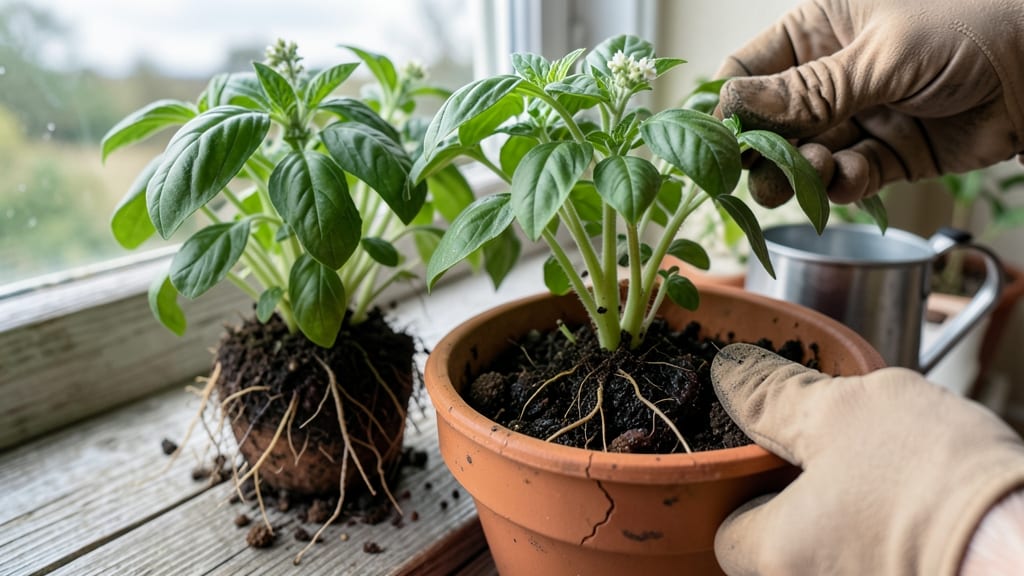
The base of your basil plant turning brown is a sign your plant is crying for help. 🌱 I've nursed back more than a few sad-looking basil plants from this exact problem—overwatering, root rot, or fungal issues are usually the culprits, and the fix is simpler than you think.
First, check the soil moisture and drainage. Basil hates soggy roots, so if the base feels mushy when you gently squeeze the stem, you're dealing with overwatering or rot. Let the top inch dry out between waterings, and make sure your pot has drainage holes.
If not, transfer your plant to a new container ASAP. Next, trim away any brown, mushy stems at the base with clean scissors, then dust the cuts with cinnamon powder (a natural antifungal).
Give your basil a bright spot with indirect light—no more dim corners—and watch those new green leaves push out within a week. With these steps, your basil will bounce back stronger than ever. The key is catching it early, so keep an eye on those stems.
Your kitchen garden is about to get a second chance at life!
Root Issues Behind Browning Basils
When the base of your basil plant starts turning brown, it’s often a distress signal from the roots—or the soil they’re struggling in. Understanding the root causes (literally!) is the first step to saving your plant.
Below, we break down the most common culprits, explained in simple terms with science-backed insights.
Basil thrives in well-draining soil, but too much water can suffocate its roots, cutting off oxygen and leading to anaerobic conditions. Without oxygen, roots can’t absorb nutrients efficiently, causing them to rot and turn brown or mushy.
Why it happens:
- Waterlogged soil: Excess moisture displaces air in the soil pores, triggering hypoxia (oxygen deprivation) in roots.
- Poor drainage: Containers without drainage holes or heavy clay soil trap water, creating a breeding ground for root rot fungi like Pythium.
- Overzealous watering: Basil needs 1 inch of water per week (including rainfall). If the soil stays soggy for more than 24 hours, roots start to suffocate.
💡 Pro Tip: Stick your finger 1 inch into the soil—if it’s damp, wait before watering. If your pot lacks drainage, add perlite or vermiculite to improve aeration.
While too much water is deadly, chronic underwatering can also cause the base to brown. When soil dries out completely, the plant’s vascular system (its "plumbing") struggles to transport water and nutrients, leading to wilting and eventual browning at the stem base.
Why it happens:
- Moisture loss: Basil wilts quickly in dry conditions, and prolonged stress causes cellular dehydration in the stem base.
- Root shrinkage: Roots pull away from the soil when dry, breaking connections that deliver water to the plant.
- Salt buildup: If you’ve been watering sporadically, minerals accumulate in the soil, creating a hypertonic solution that draws moisture out of the roots.
💡 Pro Tip: Water deeply when the top 1–2 inches of soil feel dry. Mulching with straw or shredded leaves retains moisture and regulates soil temperature.
Brown, slimy, or soft bases can signal pathogenic invaders. Fungi like Fusarium or bacteria such as Erwinia thrive in moist, warm conditions, attacking the stem and roots.
Why it happens:
- Contaminated soil: Old potting mix, compost, or garden soil may harbor pathogens from previous sick plants.
- Poor hygiene: Using the same tools on infected plants or splashing water onto stems spreads disease.
- High humidity: Basil loves warmth but hates stagnant air. Greenhouses or crowded pots with poor airflow create fungal hotspots.
🔍 Look for these signs:
Symptom
Likely Cause
Brown, dry patches
Fungal infection (e.g., Fusarium wilt)
Slimy, foul-smelling base
Bacterial soft rot (Erwinia)
Yellowing leaves + brown stem
Root rot (Pythium or Phytophthora)
💡 Pro Tip: Sterilize tools with rubbing alcohol and avoid overhead watering. If infection is confirmed, repot in fresh, sterile soil and treat with copper fungicide or neem oil.
Basil needs a balanced diet, but improper fertilization can turn its base brown. Too much salt, nitrogen, or phosphorus disrupts nutrient uptake, while deficiencies (like magnesium) cause stress.
Why it happens:
- Over-fertilizing: Excess nitrogen (common in synthetic fertilizers) burns roots, while phosphorus buildup can cause nutrient lockout.
- Poor soil pH: Basil prefers 6.0–7.0 pH. Soil too acidic (<6.0) or alkaline (>7.0) blocks nutrient absorption.
- Micronutrient deficiencies: Lack of magnesium (causes brown edges) or calcium (weakens cell walls) weakens the stem base.
📊 Signs of Imbalance:
- Yellowing between veins → Nitrogen deficiency
- Purple stems → Phosphorus deficiency
- Brown crispy edges → Magnesium or calcium deficiency
💡 Pro Tip: Use a balanced, organic fertilizer (like 5-5-5) and flush the soil every 2 months with water to prevent salt buildup. Test soil pH with a kit—adjust with lime (to raise pH) or sulfur (to lower pH).
Mechanical stress or pests can compromise the stem base, leading to browning. Chewed stems, cracks, or even transplant shock disrupt the plant’s ability to heal.
Why it happens:
- Pest attacks: Slugs, cutworms, or aphids chew stems, exposing tissue to bacteria or drying out the base.
- Transplant shock: Disturbing roots during repotting or moving plants can cause osmotic stress, slowing recovery.
- Wind or hail damage: Physical trauma bruises stems, creating entry points for pathogens.
🔍 Common Culprits:
- Slugs: Leave shiny trails and ragged holes.
- Cutworms: Chew stems at soil level, causing sudden wilting.
- Aphids: Cluster at stem bases, exuding sticky honeydew.
💡 Pro Tip: Inspect stems with a magnifying glass for pests. Use neem oil or diatomaceous earth for slugs, and handpick cutworms at night. After repotting, keep basil in shade for 3–5 days to reduce stress.
Revive Your Basil’s Base
Now that you know why your basil’s base might be turning brown, it’s time to take action! 🌱💚 The good news? Most issues are fixable with simple, targeted care. Below are practical solutions tailored to the most common causes—plus tips to keep your basil thriving long-term.
Signs: Soggy soil, mushy stems, yellowing leaves, or a foul smell. Why it happens: Basil hates "wet feet." Overwatering suffocates roots, leading to rot and browning at the base.
How to fix it:
- 🔪 Trim the damage – Snip off any blackened or mushy stems with clean scissors, leaving healthy green growth.
- 🌡️ Let it dry out – Stop watering immediately and let the top 1–2 inches of soil dry completely before watering again.
- ✨ Upgrade the pot – If your container lacks drainage holes, repot your basil into a pot with holes or add a layer of perlite/potting mix to improve airflow.
- 💡 Water wisely – Only water when the top inch of soil feels dry. Stick your finger in—if it’s damp, wait!
Prevention tips:
- Use well-draining potting mix (add perlite or vermiculite).
- Choose pots with drainage holes (or drill them yourself!).
- Water in the morning so excess moisture evaporates by night.
Signs: Crispy, brown edges on leaves, dry soil, or wilting despite water. Why it happens: Basil needs consistent moisture, especially in hot weather. Drought stress forces the plant to shut down, turning leaves (and stems) brown.
How to fix it:
- 💦 Give it a deep drink – Water thoroughly until it drains from the bottom. Repeat every 2–3 days in heat (check soil moisture first!).
- 👨🍳 Mulch like a pro – Spread 1 inch of mulch (straw, shredded leaves, or even coffee grounds) around the base to retain moisture.
- 🌿 Move to shade – If temps exceed 90°F (32°C), relocate your basil to partial shade (morning sun + afternoon shade works best).
- 🥘 Mist the leaves – Lightly mist foliage in the early morning to combat dry air (great for indoor basil too!).
Prevention tips:
- Group plants together to create a microclimate with higher humidity.
- Use self-watering pots or a wicking system for consistent moisture.
- Harvest regularly – Pruning encourages new growth and reduces stress.
Signs: Soft, slimy stems, dark spots, or a white/pinkish mold at the base. Why it happens: Fungi (like Fusarium or Pythium) or bacteria thrive in wet, warm conditions, attacking the stem base.
How to fix it:
- 🔪 Prune aggressively – Cut off all infected stems (including the brown base) down to healthy green tissue. Sterilize scissors with rubbing alcohol between cuts.
- 🧼 Sanitize the pot – Remove the plant, scrub the pot with 1 part bleach to 9 parts water, then rinse and dry.
- 💡 Treat with fungicide – Spray the remaining plant (and soil) with a copper-based fungicide or neem oil solution (1 tsp neem oil + 1 quart water). Reapply every 5–7 days for 2 weeks.
- 🌿 Repot in fresh soil – Use sterile potting mix (or bake old soil in the oven at 200°F/93°C for 30 mins to kill pathogens).
Prevention tips:
- Avoid overhead watering – Water at the base to keep leaves dry.
- Space plants for airflow (crowding = fungal paradise).
- Rotate pots occasionally to prevent uneven moisture buildup.
Signs: Brown, crispy leaves, stunted growth, or wilting despite water. Why it happens: Basil is a warm-weather lover—temps below 50°F (10°C) shock the plant, causing cellular damage.
How to fix it:
- 🔥 Move indoors – Place your basil near a sunny window (south-facing is ideal) or under grow lights (12–14 hours/day).
- 🌡️ Use a heat mat – If growing indoors, a seedling heat mat (set to 70°F/21°C) can help roots recover.
- 🥘 Protect from drafts – Keep it away from AC vents, doors, or windows that create cold spots.
- 💡 Gradually acclimate – If moving back outside, harden off your basil by exposing it to 1–2 hours of sunlight daily, increasing time over a week.
Prevention tips:
- Grow in containers for easy indoor/outdoor transitions.
- Use row covers if night temps dip below 55°F (13°C).
- Choose cold-hardy varieties like ‘Spicy Globe’ basil (tolerates slightly cooler temps).
- 💡 Fertilize lightly – Once recovered, use a balanced liquid fertilizer (diluted to half strength) to boost growth.
- 🌱 Propagate cuttings – If the base is beyond saving, snip healthy stems, remove lower leaves, and root them in water or soil!
- 🔄 Refresh the soil – After treating, replace the top 1–2 inches of soil to remove old pathogens or salts.
Remember: Basil is resilient! 🌿 With the right care, your plant can bounce back—often even stronger than before. Start with one fix (like improving drainage or adjusting water), monitor for 3–5 days, and adjust as needed. Soon, you’ll be back to harvesting fresh, vibrant basil for your favorite dishes!
Frequently asked questions
Why does my basil's base turn brown even when I water it regularly?
Overwatering is often the culprit! Basil roots need oxygen, and soggy soil creates anaerobic conditions that suffocate them. Check if your pot has drainage holes—if not, transfer your plant immediately. Let the top 1 inch of soil dry out between waterings to prevent rot. Too much water also flushes nutrients away, leaving the base vulnerable to browning.
Can I save my basil if the brown base feels mushy?
Yes, but act fast! Trim away all mushy stems with clean scissors, then repot in fresh, well-draining soil. Dust the cuts with cinnamon powder (natural antifungal) and avoid watering for 3-5 days to let the wound heal. If the rot spreads beyond the base, you may need to propagate healthy cuttings instead.
What's the difference between brown spots from overwatering vs. fungal infection?
Overwatering causes the base to feel soft and mushy, often with a foul smell. Fungal infections (like Fusarium) create dry, brown patches that may have white/pink mold. Check for sliminess—overwatering = mushy, fungi = dry spots. Both need different fixes: drainage improvements vs. fungicide treatments.
Will pruning the brown base help my basil grow back healthier?
Pruning stimulates new growth by redirecting energy to healthy stems. Cut just above a leaf node (where leaves meet the stem) to encourage branching. After trimming, place your basil in bright indirect light and reduce watering slightly—this helps the plant focus on recovery rather than maintaining damaged roots.
How often should I fertilize basil after fixing brown base issues?
Wait 4-6 weeks after treating your basil before fertilizing. Once recovered, use a balanced organic fertilizer (like 5-5-5) diluted to half strength every 4-6 weeks during growing season. Too much fertilizer can burn roots, especially if your plant is still stressed from previous issues.