
Planting
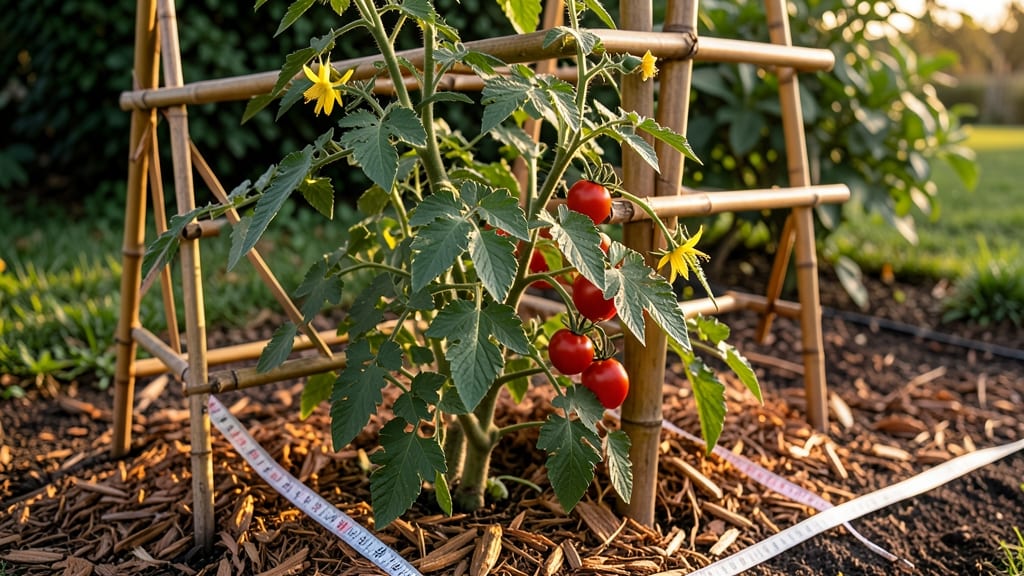
Proper beefsteak tomato plant spacing 🍅 is the key to those pound-plus fruits you’ve been dreaming of—because crowding turns your garden into a fungal petri dish and your tomatoes into sad, shriveled bites.
If you’ve ever picked a tiny, misshapen beefsteak only to find your plants wilting from poor airflow, you know the stakes. The right spacing isn’t just about fitting more plants in—it’s about giving each one room to thrive, with sunlight reaching the lower leaves and air circulating to prevent blight.
In this guide, I’ll break down the exact spacing for your beefsteak variety (determinate vs. indeterminate), how to arrange them in rows for maximum yield, and the 3 most common mistakes that sabotage your harvest before it even starts.
By the end, you’ll have a clear, science-backed plan to turn your garden into a beefsteak powerhouse—no guesswork, just bigger tomatoes and fewer headaches.

Optimal beefsteak tomato spacing by plant type: determinate vs indeterminate
Beefsteak tomatoes are prized for their massive fruit size and rich flavor, but achieving those juicy giants depends on proper spacing. The biggest mistake I see? Treating all beefsteak varieties the same—when determinate and indeterminate types have wildly different needs.
Cramped plants battle for sunlight, leading to smaller fruit and fungal diseases like early blight. Let’s break down the science-backed spacing rules for each type to maximize your harvest.
First, understand the core difference: determinate beefsteaks grow to a fixed height (usually 3–4 feet) and produce fruit all at once, while indeterminate varieties keep growing (up to 6+ feet) and fruit continuously. This affects everything from row spacing to trellis support.
For example, my Brandywine (indeterminate) sprawls like a vine if unsupported, while Big Beef (determinate) stays compact. Get spacing wrong, and you’ll end up with misshapen tomatoes or worse—disease-ridden plants.
Here’s the golden rule: airflow and sunlight are non-negotiable. Crowded plants trap moisture, creating the perfect conditions for early blight and powdery mildew. I’ve seen gardens where plants were spaced too closely, and by August, half the tomatoes were rotting before ripening.
The fix? Follow these variety-specific guidelines to ensure every plant gets its share of sunlight and circulation.
Let’s dive into determinate beefsteaks first. These varieties, like Celebrity or Roma-type beefsteaks, grow in a bushy habit and produce fruit in one massive flush. Space them 18–24 inches apart in rows that are 24–30 inches apart. This gives them enough room to photosynthesize without shading each other.
I once planted Big Beef determinates 12 inches apart in a raised bed—big mistake! The center plants got leggy and produced tiny, seedy tomatoes. Lesson learned: follow the spacing.
For indeterminate beefsteaks like Brandywine or Cherokee Purple, the rules change dramatically. These vines can grow 10+ feet tall if given the chance, and they fruit continuously all season. Space them 24–36 inches apart in rows that are 36–48 inches apart. Why the extra room?
Indeterminates need space to sprawl and for you to prune and harvest easily. Plus, wider rows improve air circulation, reducing the risk of fungal diseases. I use a 6-foot trellis for my indeterminates, and it’s a game-changer for keeping the plants off the ground and fruits clean.
Don’t overlook
How to arrange beefsteak tomato plants in rows for maximum yield
Arranging your beefsteak tomato plants in rows isn't just about fitting more plants—it's about creating an ecosystem where each plant thrives. Proper row spacing ensures airflow circulation, reduces disease pressure, and maximizes sunlight exposure for those prized heirloom beefsteaks.
Whether you're working with a 4x8-foot raised bed or a half-acre farm plot, the principles remain the same: balance growth with space.
For indeterminate beefsteak varieties (like 'Brandywine' or 'Cherokee Purple'), which grow 6+ feet tall and produce fruit all season, spacing becomes even more critical. These vines need room to sprawl or climb, while also avoiding shaded lower leaves that invite fungal diseases.
Let's break down the science-backed row arrangements that'll transform your garden into a beefsteak powerhouse.
- Small Gardens (4x8 ft beds): Plant 2-3 plants per row with 24-inch spacing between plants and 36-inch row spacing. Use staggered rows (like brickwork) to maximize space.
- Medium Gardens (10x20 ft plots): Create 3-4 plant rows with 30-inch spacing between plants and 48-inch row spacing. Add trellises for indeterminate varieties to save space vertically.
- Large Farms (half-acre+): Use wide rows (60-inch spacing) with 36-inch plant spacing for high-density planting. Implement companion planting (e.g., basil between rows) to deter pests naturally.
- Companion Planting Tip: Interplant marigolds or onions every 3 feet to repel nematodes and improve airflow between plants.
- Staggered Planting: Space new plants 2 weeks apart in the same row to extend harvest season and prevent overcrowding at peak growth.
When planning your rows, always account for your tomato variety's mature size. Determinate beefsteaks (like 'Big Beef') stay compact at 4-5 feet tall, so you can space them 18-24 inches apart in rows 30 inches apart.
But indeterminate varieties? They'll need 36-inch spacing between plants and 48-inch row spacing to prevent vines from tangling and shading each other.
Don't forget to orient your rows north-south for even sunlight exposure. This simple adjustment ensures all plants receive 6+ hours of direct sun daily, which is non-negotiable for flavorful beefsteak tomatoes.
In my Zone 7 garden, I've found that adding drip irrigation lines between rows saves time and ensures consistent moisture without overwatering.
For high-density gardens, consider biodynamic spacing: plant in a triangular grid (not straight rows) to maximize space efficiency. This method reduces pathway space by up to 20% while maintaining airflow. Just be prepared to hand-water more carefully to avoid fungal issues in tight spaces.
Finally, mark your rows with stakes or flags at planting time to avoid disturbing roots later. I use biodegradable plant markers with the variety name and planting date—it's a game-changer for record-keeping and future garden planning.
With these row arrangements, you'll harvest pound after pound of juicy, disease-free beefsteaks all season long. 🌱