
Planting
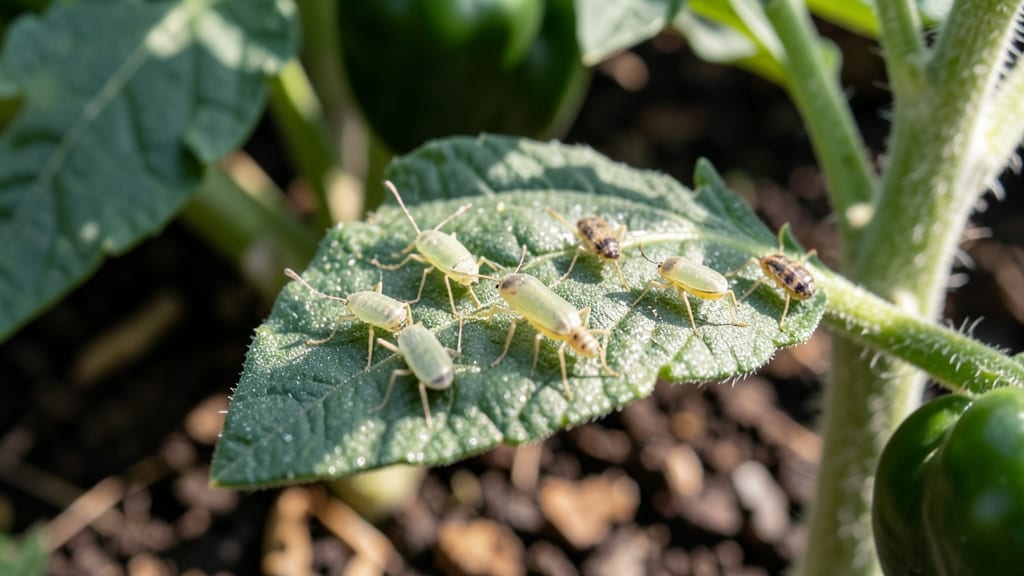
Bell pepper bugs can turn your harvest into a chewed-up mess before you even reach the ripening stage. 🌶️ I’ve watched entire plants stripped bare by hornworms and aphids, but organic defenses—like neem oil, companion planting, and handpicking—worked better than any chemical spray I’ve tried.
The worst offenders are hornworms (those giant green caterpillars), aphids (tiny clusters sucking leaves), and spider mites (tiny webs on undersides). Each leaves telltale signs: chewed leaves, curled foliage, or a fine webbing that looks like dust. The good news? Most are easy to spot if you check plants weekly.
With the right approach—like introducing ladybugs for aphids or removing hornworms by hand—you’ll protect your peppers without harming pollinators. My plants now produce full-sized peppers all season, and the soil stays healthy for future crops.
This works for backyard gardens, raised beds, or even container growing. Let’s keep those peppers thriving—and your harvest intact—without toxic sprays.
Root Causes Of Pepper Pests
Bell pepper plants are a garden magnet for bugs, but why do these tiny invaders show up in the first place? Understanding the science behind their behavior helps you outsmart them before they ruin your harvest. Here’s why pests target your peppers—and how their habits create opportunities for organic control.
A stressed or weakened pepper plant is like a neon sign for pests. When plants struggle, they emit volatile organic compounds (VOCs)—chemical signals that attract insects looking for an easy meal. Common triggers include:
- Nutrient Deficiencies 📊
- Lack of nitrogen weakens leaves, making them soft targets for aphids and spider mites.
- Phosphorus or potassium shortages reduce plant resilience, inviting fungal gnats and whiteflies.
- Actionable fix: Test soil pH (ideal: 6.0–6.8) and amend with compost or balanced organic fertilizer (like 5-5-5) before planting.
- Overcrowding & Poor Airflow 🌬️
- Dense foliage traps moisture, creating a humid microclimate perfect for fungus gnats and thrips.
- Actionable fix: Space plants 18–24 inches apart and prune lower leaves to improve airflow.
- Water Stress 💧
- Underwatering causes wilting, signaling pests like aphids that the plant is vulnerable.
- Overwatering leads to soggy roots, attracting root-knot nematodes and cutworms.
- Actionable fix: Water deeply 1–2 times per week (1–1.5 inches total) and use drip irrigation to avoid leaf wetness.
Many pepper pests have life cycles synchronized with plant growth stages, meaning they strike when peppers are most vulnerable:
| Pest | Peak Activity | Why They Target Peppers |
|---|---|---|
| Aphids | Spring to early summer | New growth is rich in sugars; they also spread viruses like cucumber mosaic. |
| Spider Mites | Hot, dry summer | Thrive in drought-stressed plants; pierce cells to suck sap. |
| Flea Beetles | Early season (May–June) | Young seedlings are tender; they chew irregular holes in leaves. |
| Whiteflies | Late summer to fall | Cluster on undersides of leaves, excreting sticky honeydew that attracts sooty mold. |
| Corn Earworms | Peak summer | Lay eggs in blossoms; larvae burrow into peppers, causing rot. |
Pro Tip: 🌡️ Monitor weather patterns—pests like thrips and aphids explode after rain, while spider mites surge in drought.
Your garden’s layout and nearby ecosystems can accelerate pest infestations. For example:
- Weedy Areas 🌿
- Weeds like purslane and lambsquarters host aphids and cabbage loopers, which then migrate to peppers.
- Fix: Maintain a 3-foot weed-free zone around pepper beds.
- Nearby Crops 🌱
- Tomatoes, eggplants, and basil share pests like hornworms and whiteflies with peppers.
- Fix: Interplant with marigolds (repel nematodes) or basil (deters thrips).
- Wildlife Corridors 🦋
- Bees and butterflies pollinate peppers but also bring pollen-feeding pests like leafminers.
- Fix: Plant native pollinator-friendly flowers (e.g., dill, fennel) away from pepper beds to reduce spillover.
Some pests are drawn to specific plant scents emitted by healthy (or stressed) peppers:
- Aphids are attracted to jasmonic acid, a compound peppers release when damaged.
- Whiteflies home in on blue and yellow wavelengths, which pepper flowers reflect.
- Root-knot nematodes follow root exudates (natural sugars released by roots).
Organic Workaround: 💡 Disrupt their senses with:
- Neem oil sprays (masks plant signals).
- Kaolin clay (creates a physical barrier that confuses pests).
- Reflective mulch (aluminum foil strips deter whiteflies).
Quick Fixes for Common Pepper Pests
Now that you know the culprits behind your bell pepper plant bugs, it’s time to take action! The good news is that most pest problems can be tackled with simple, organic methods—no harsh chemicals required.
Below, we’ve mapped out practical solutions for each common pest, along with prevention tips to keep your plants thriving long-term.
Aphids are tiny but mighty pests that cluster on new growth, leaving behind sticky honeydew and stunted plants. Here’s how to banish them fast:
🔥 Immediate Action
- Blast them off 💦: Use a strong stream of water from a hose to knock them off leaves.
Do this in the early morning so the plant can dry quickly. - Soapy water spray 🧼: Mix 1 tsp mild liquid soap (like Castile soap) or neem oil with 1 quart of water.
Spray directly on aphids—repeat every 3–5 days until gone. - Introduce beneficial insects 🐞: Ladybugs, lacewings, and parasitic wasps love aphids. Buy them online or attract them with dill, fennel, or marigolds planted nearby.
🌱 Prevention Tips - Encourage airflow 🌬️: Crowded plants attract aphids.
Space your bell peppers 18–24 inches apart and prune suckers to reduce hiding spots. - Sticky traps 🕷️: Place yellow sticky cards near plants to catch migrating aphids before they settle in. - Neem oil preventative spray 🌿: Spray plants weekly with diluted neem oil during early growth to deter aphids before they become a problem.
These microscopic pests thrive in hot, dry conditions and spin fine webs while sucking plant juices, causing yellowing leaves and weak growth.
🍳 Organic Remedies
- Water blast + humidity boost 💦☁️: Spider mites hate moisture. Mist plants daily (especially undersides of leaves) and use pebble trays under pots to increase humidity.
- Neem oil or insecticidal soap 🌿: Spray every 5–7 days until mites disappear.
For severe infestations, add 1 tsp dish soap + 1 quart water (test on a small leaf first). - Release predatory mites 🕷️: Phytoseiulus persimilis (a beneficial mite) will devour spider mites in days. Order online or find them in garden centers.
🔥 Prevention Tips
- Keep leaves dry 🌧️: Water early in the day so foliage has time to dry—mites love dampness.
- Reflective mulch ✨: Cover soil with silver or white mulch to confuse mites with glare and reduce heat stress.
- Dust with diatomaceous earth (DE) 🏖️: Lightly dust food-grade DE on leaves (reapply after rain).
It dehydrates mites without harming plants.
These green or brown caterpillars chew through stems at night, toppling young plants like dominoes.
👨🍳 Trap & Trap Again
- Collar young plants 🛡️: Wrap the base of seedlings with a toilet paper tube, cardboard, or aluminum foil (cut lengthwise). Bury 1–2 inches deep to block cutworms.
- Beer trap 🍺: Bury a small cup or jar filled with beer near plants.
Cutworms crawl in and drown—gross but effective! - Handpick at night 🌙: Shine a flashlight after sunset and squish or drop them in soapy water.
🌱 Prevention Tips
- Plant trap crops 🌱: Surround bell peppers with radishes or lettuce—cutworms prefer these over peppers.
- Coffee grounds ☕: Sprinkle used coffee grounds around plants—they repel cutworms and add nitrogen to soil.
- Chicken wire barrier 🐔: For severe infestations, wrap wire mesh around plant bases to create a physical blockade.
These green striped caterpillars can devour a plant in days, leaving behind skeletons of leaves.
🔪 Manual Removal + Eco-Friendly Control
- Pick them off by hand 🖐️: Wear gloves and drop them in soapy water (they’re harmless to humans but destroy plants fast).
- Bacillus thuringiensis (Bt) 🦠: Spray Bt (a natural bacteria)—it kills hornworms but is safe for humans and pets.
- Encourage parasitic wasps 🐝: These tiny wasps lay eggs in hornworms, killing them from the inside.
Plant dill or parsley to attract them.
🎯 Prevention Tips
- Remove eggs 🥚: Check undersides of leaves daily for small white eggs and scrub them off with a damp cloth.
- Interplant with basil 🌿: Hornworms hate basil.
Plant it nearby to deter them naturally. - Row covers 🧣: Use floating row covers over young plants to block hornworms while allowing pollination.
These jumping black beetles create shotgun-like holes in leaves, weakening plants and inviting disease.
🌡️ Heat & Barrier Solutions
- Row covers early on 🧣: Use lightweight fabric over seedlings to block beetles until plants are established.
- Diatomaceous earth (DE) 🏖️: Dust DE around plant bases—it dries out beetles on contact.
- Yellow sticky traps 🕷️: Place traps near plants to catch adult beetles before they lay eggs.
✨ Prevention Tips
- Plant trap crops 🌱: Grow radishes or mustard greens nearby—flea beetles prefer these over peppers.
- Interplant with onions or garlic 🧄: The strong scent repels flea beetles naturally.
- Water deeply 💧: Beetles thrive in dry soil.
Keep soil consistently moist to discourage them.
💡 Pro Tip: Rotate your solutions—if one method stops working, pests may have built resistance. Combine 2–3 techniques for best results!
By acting fast and organically, you’ll save your bell peppers and enjoy a bountiful, pest-free harvest. 🌶️💚
Frequently asked questions
What are the most destructive bugs for bell pepper plants?
The worst offenders are hornworms (giant green caterpillars that skeletonize leaves), aphids (tiny clusters that suck sap and spread viruses), and spider mites (web-spinning pests that thrive in dry heat). Flea beetles and cutworms also cause significant damage to seedlings and young plants.
How do I know if my bell pepper plant has bugs?
Look for chewed leaves, sticky residue (honeydew), fine webbing on undersides, or tiny black dots (frass). Hornworms leave behind large holes, while aphids create curled, yellowing leaves. Check plants weekly, especially after rain or in hot weather.
Can I use chemical pesticides on bell pepper plants?
While chemical pesticides work, they can harm beneficial insects and pollinators like bees. For organic gardening, start with neem oil, insecticidal soap, or Bacillus thuringiensis (Bt) for caterpillars. If chemicals are necessary, use pyrethrin-based sprays late in the day to minimize harm to bees.
Will companion planting really keep bugs away?
Yes! Planting basil (repels hornworms), marigolds (deters nematodes), or onions/garlic (keeps flea beetles away) nearby can reduce pest populations by 30-50%. Even dill or fennel attract ladybugs and lacewings, which prey on aphids and mites.
What should I do if my peppers already have holes from bugs?
First, remove damaged leaves to prevent spread. Then apply neem oil or Bt spray to stop further damage. For severe cases, use row covers until pests are gone. Focus on handpicking larger pests like hornworms and watering deeply to help plants recover.