
Planting
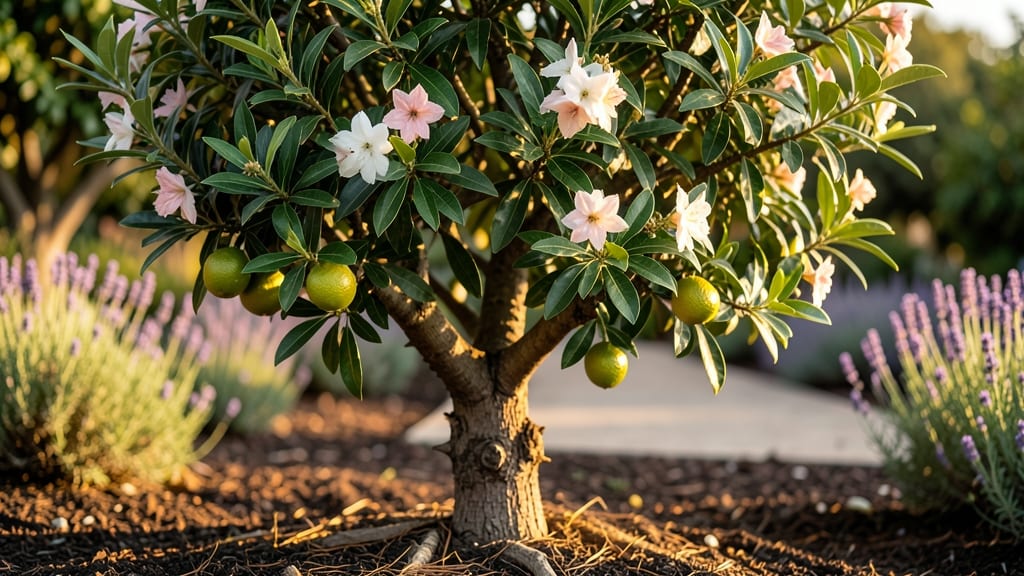
Growing a bergamot lemon plant means adding fragrant, zesty charm to your garden—whether you’re cultivating the citrus tree (Citrus bergamia) or the bee balm (Monarda didyma). 🌿 I’ve learned that the key is matching their needs to your climate, whether you’re potting a tender citrus or tucking a hardy perennial into borders.
The citrus version thrives in containers with bright light and winter protection, while bee balm spreads like wildfire in full sun and tolerates cooler temps. Both love well-draining soil and regular watering—though citrus hates soggy roots.
Prune bee balm back after flowering to keep it bushy, and citrus trees need occasional shaping to prevent legginess.
You’ll end up with fragrant foliage that attracts pollinators (bee balm) or aromatic leaves perfect for Earl Grey tea (citrus). The citrus version rewards patience with glossy leaves and occasional blossoms, while bee balm bursts into vibrant pink blooms that hum with bees.
For citrus, winter indoors near a sunny window; for bee balm, mulch heavily in fall to protect roots. Both plants reward care with bold flavors and textures that transform any garden corner into a sensory experience.
📚 In This Guide
- What you need
- Instructions
- Tips and common mistakes
- Wrapping up and next steps
What you need
- ● Bergamot lemon plant: 1 healthy, disease-free Citrus bergamia seedling or grafted plant (available at specialty nurseries or online citrus suppliers).
- ● Size: 1–3 gallon container for young plants; mature plants thrive in 5+ gallon pots.
- ● Well-draining potting mix: 50% citrus-specific mix (or cactus/succulent blend).
- ● 30% perlite or pumice (for aeration).
- ● 20% organic compost (for nutrients).
- ● Container: Pot with drainage holes (terracotta or fabric pots ideal).
- ● Size: At least 12" in diameter for young plants; upgrade as it grows.
- ● Gloves (nitrile or gardening gloves to protect from thorns).
- ● Pruning shears (sterilized, for shaping and maintenance).
- ● Watering can or hose with a gentle nozzle (avoid over-saturating roots).
- ● pH testing kit (to monitor soil acidity, ideal range: 6.0–7.0).
- ● Fertilizer: Balanced citrus fertilizer (e.g., 6-6-6 NPK ratio).
- ○ Optional: Slow-release granules (apply every 3–4 months).
- ● Climate: USDA Zones 9–11 (or grow indoors in cooler zones with 10+ hours of sunlight daily).
- ● Sunlight: Full sun (6+ hours/day) for optimal fruit and fragrance.
- ● Humidity: 40–60% (mimic Mediterranean conditions with occasional misting).
- ● Water source: Filtered or rainwater (tap water with high chlorine may harm roots).
- ● Grow lights (for indoor setups, 12–14 hours/day).
- ● Humidifier (to boost humidity in dry climates).
- ● Mulch (straw or bark chips to retain moisture).
- ● Epsom salt (magnesium boost for yellowing leaves).
How to grow a thriving bergamot lemon plant
Here's my go-to method for cultivating this fragrant citrus hybrid that brings both beauty and zesty aroma to your garden.
🌱 Step 1: Select the Right Location and Prepare the Soil
Bergamot lemon plants love full sun—aim for at least 6-8 hours daily. I always choose a spot with morning sunlight and afternoon shade if you live in a hot climate. The plant's roots need well-draining soil, so if your garden soil is heavy clay, amend it with 2-3 inches of compost mixed into the top 12 inches of soil.
Dig a hole twice as wide as the plant's root ball but only as deep. This encourages roots to spread horizontally rather than settling too deep. Loosen the sides of the hole with a garden fork to help roots penetrate easily. The soil should feel slightly damp but not soggy—like a wrung-out sponge.
☀️ Step 2: Plant and Provide Initial Care
Gently remove the plant from its container and loosen any circling roots with your fingers. Place it in the hole so the top of the root ball sits 1 inch above soil level. This prevents water from pooling around the stem, which can cause rot. Fill the hole with soil and press lightly around the base to remove air pockets.
Water deeply right after planting—enough to settle the soil and reach the root ball. You'll know it's enough when water runs out the drainage holes if planted in a container, or when the top inch of soil feels moist. Mulch around the base with 2-3 inches of organic mulch, keeping it 3 inches away from the stem to prevent moisture buildup.
💧 Step 3: Water and Fertilize for Optimal Growth
Water your bergamot lemon plant once a week during the first month, then adjust based on weather. Stick your finger 1 inch into the soil—if it feels dry, water deeply until it runs out the bottom. Overwatering is the biggest mistake here; yellowing leaves usually mean you're watering too much.
Start fertilizing in spring with a balanced citrus fertilizer every 4-6 weeks. I use half-strength fertilizer the first time to avoid burning tender new roots. Watch for new growth—bright green leaves with a slight sheen mean your plant is happy. If leaves yellow between veins, it's a sign of overwatering or poor drainage.
✂️ Step 4: Prune and Maintain for Fragrant Blooms
Prune in late winter or early spring to shape the plant and encourage blooms. Remove any dead, diseased, or crossing branches first. Then cut back leggy growth by one-third to promote bushier growth. Always prune just above a leaf node where new growth can emerge.
Bergamot lemon plants produce fragrant white flowers that later turn into small, tart lemons. Pinch back new growth in spring to encourage flowering. You'll see buds form in late spring—these will become your fragrant blooms. Harvest lemons when they're fully colored but still slightly firm for the best flavor.
🪴 Step 5: Protect and Overwinter if Needed
If you live in a cold climate, move your bergamot lemon plant to a protected location before the first frost. I wrap the pot in bubble wrap and place it in a garage or sheltered patio. Water sparingly during dormancy—just enough to keep the soil from drying out completely.
In spring, resume regular watering and fertilizing once new growth appears. The plant's resilience will reward you with lush foliage and fragrant blooms. With proper care, your bergamot lemon can live for years, providing both beauty and that signature citrus aroma to your garden borders.
Tips & tricks for perfect bergamot lemon plant care
Here's what I've learned after growing these fragrant beauties for years—these small details make all the difference.
Sunlight Strategy: While 6-8 hours of sun is ideal, I've found that morning sun paired with afternoon shade prevents leaf scorch in hot climates. If your garden gets intense afternoon heat, consider partial shade—especially during summer months. The plant will still produce flowers and fruit, just with slightly less vigor.
Root Health Secret: When planting, I always add a handful of perlite or coarse sand to the bottom of the hole before placing the root ball. This creates instant drainage channels that prevent waterlogging, which is the number one cause of root rot in citrus plants. The extra inch above soil level mentioned in Step 2 is critical—it keeps the stem dry and prevents fungal issues.
Watering Wisdom: The "stick your finger 1 inch deep" test is foolproof, but I've learned to adjust for seasonal changes. In summer, I water every 4-5 days instead of weekly, while in winter, I might skip a week entirely. Always water at the base rather than overhead—this prevents fungal spores from splashing onto leaves. A drip irrigation system works beautifully for consistent moisture without overwatering.
Pruning Precision: When cutting back leggy growth by one-third in Step 4, I always make the cut just above a leaf node where new growth emerges. This encourages bushier, more compact growth. I also prune in late winter because the plant is dormant—it recovers faster and puts more energy into spring blooms. Never prune after flowering, as this removes potential fruit buds.
Pro Tips for Bergamot Lemon Plant
- Here's what I've learned after growing these fragrant beauties for years—these small details make all the difference.
- Sunlight Strategy: While 6-8 hours of sun is ideal, I've found that morning sun paired with afternoon shade prevents leaf scorch in hot climates.
- Root Health Secret: When planting, I always add a handful of perlite or coarse sand to the bottom of the hole before placing the root ball.
Frequently asked questions
How long does it take for a bergamot lemon plant to bear fruit?
A bergamot lemon plant typically takes 3–5 years to mature and produce fruit, depending on growing conditions. Patience is key—focus on providing full sun (6+ hours/day), well-draining soil, and consistent watering to speed up the process. Young plants may flower earlier but rarely fruit until they’re well-established.
Can I grow a bergamot lemon plant in a pot, or does it need a garden bed?
Yes! Bergamot lemons thrive in large containers (15+ gallons) as long as they have drainage holes. Use a citrus-specific potting mix and repot every 2–3 years. Just ensure the pot gets plenty of sunlight (like a sunny patio or balcony) and you fertilize regularly. Pro tip: Move pots indoors if temps drop below 40°F (4°C).
Why are my bergamot lemon leaves turning yellow? What’s wrong?
Yellow leaves usually signal overwatering, nutrient deficiency, or root rot. Check soil moisture—bergamot lemons prefer it slightly dry between waterings. If roots smell foul or look mushy, trim the affected parts and repot in fresh soil. For a quick fix, flush the soil with water to remove excess salts. Bonus: Yellow edges? It might be cold stress—keep plants above 50°F (10°C).
What’s the difference between bergamot lemon and Meyer lemon?
While both are citrus hybrids, bergamot lemons are larger, more aromatic, and less sweet than Meyer lemons. Bergamots have a distinctive floral-citrus scent (used in Earl Grey tea!) and thicker, bumpy skin. Meyers are smaller, sweeter, and easier to grow in cooler climates. If you love tea or perfume-like fragrance, bergamot is your pick!
Can I grow bergamot lemon from seed, or should I buy a plant?
You can grow from seed, but it’s a gamble—seed-grown plants may take decades to fruit and won’t match the flavor/texture of grafted varieties. For faster, reliable results, buy a grafted nursery plant (look for “Citrus × bergamia” or “Citrus limon ‘Femminello St. Teresa’”). Seedlings are great for experimenting, though!
Wrapping up and next steps
Growing a bergamot lemon plant is a rewarding way to add fragrant beauty and zesty flavor to your garden! With its hardy nature and striking foliage, this citrus hybrid thrives in sunny borders while offering a delightful aroma and potential culinary uses.
Whether you’re drawn to its ornamental appeal or the promise of homegrown bergamot, now’s the time to plant—your garden (and taste buds!) will thank you.
Ready to dive in? Start by gathering your supplies and choosing a sunny spot—then watch your bergamot lemon plant flourish! 🌱✨