
Planting
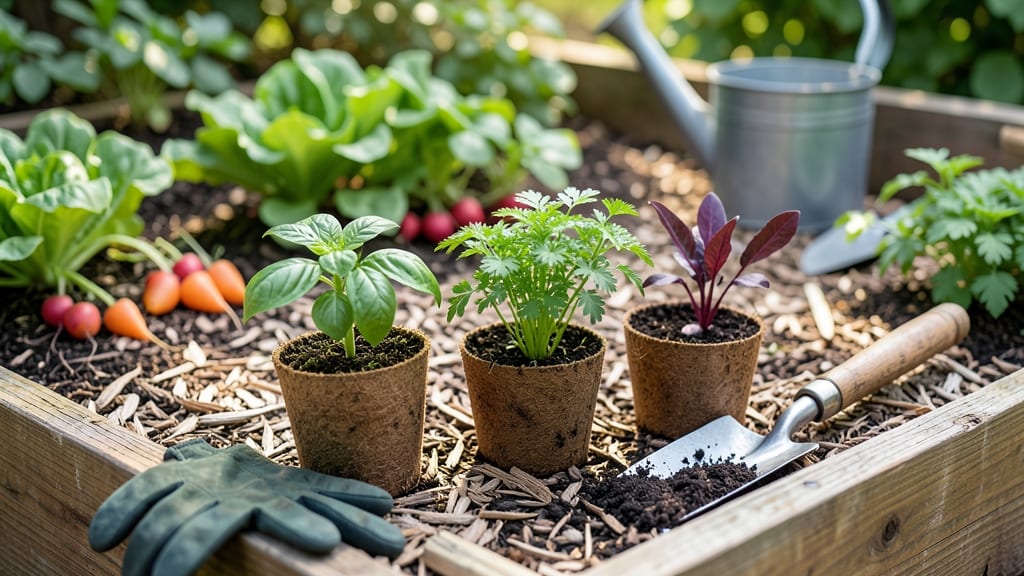
The best place to plant a garden should get 6-8 hours of sunlight daily, have well-draining soil rich in organic matter, and be sheltered from strong winds. Steer clear of low spots that collect frost or standing water for healthier plants and better harvests.
The right garden location isn't just about open space—it's about creating an environment where plants can thrive. Sunlight is non-negotiable; most vegetables and flowers need full sun to produce their best, while shade-loving plants like lettuce or ferns can handle partial sun. Soil that drains well but retains moisture (think compost-amended loam) prevents root rot while providing essential nutrients.
And don't overlook microclimates: a south-facing wall can extend the growing season, while a windbreak of shrubs protects delicate stems. I've seen gardens in identical yards flourish or fail based on these small but critical details.
💡 In This Article
- How Sunlight, Soil, and Microclimate Affect Garden Growth
- Step-by-Step Guide to Choosing the Ideal Garden Spot
How sunlight, soil, and microclimate affect garden growth
Sunlight is the fuel for photosynthesis, and plants convert it into energy through chlorophyll. Most vegetables and flowers need 6-8 hours of direct sunlight daily to grow strong stems, produce abundant flowers, and yield high-quality fruit.
For example, tomatoes need full sun to develop their signature sweetness, while peppers require it to ripen properly. The angle matters too—south-facing spots in the Northern Hemisphere get the most consistent light, while east-facing areas offer gentler morning sun ideal for heat-sensitive plants like basil. 🔥
The soil's composition directly impacts root health and nutrient uptake. Well-draining soil prevents waterlogging, which can suffocate roots, while organic matter like compost improves moisture retention and microbial activity. A pH between 6.0 and 7.0 is ideal for most plants, though blueberries thrive in acidic soil (4.5-5.5).
Heavy clay soil, common in many regions, can be amended with sand or peat moss to improve aeration. I’ve seen gardens in clay-heavy areas double their yield just by adding 3-4 inches of compost before planting.
Microclimates create tiny ecosystems within your yard. A south-facing wall can extend the growing season by 2-3 weeks in cooler climates, while a windbreak—like a row of shrubs—protects delicate plants from drying winds. Humidity levels also play a role: succulents need dry air, while ferns thrive in shaded, moist spots.
Even a small elevation change can affect frost risk—low spots collect cold air and freeze earlier than higher ground. 💛
Temperature fluctuations matter too. Plants like peppers and eggplants need consistent warmth, while cool-season crops like kale tolerate light frosts. The ideal spot balances these factors: enough sun for energy, soil that holds moisture without drowning roots, and shelter from harsh winds.
I’ve noticed that raised beds in sunny, sheltered spots can produce 30-50% more than in-ground gardens in less-than-ideal conditions.
Seasonal shifts also demand flexibility. A spot perfect for summer tomatoes might be too hot for spring lettuce. Observing how light and shade patterns change throughout the day—using a simple sunlight tracker or even a white sheet to mark shadows—helps identify the best microclimates for different plants.
This precision is what separates a struggling garden from a thriving one. ✨
Finally, consider the long-term impact of your choices. Overwatering compacted soil, for instance, can create a crust that blocks air and water from reaching roots. The goal is harmony: sunlight for energy, soil that breathes and nourishes, and a microclimate that protects without stifling.
When these elements align, your garden doesn’t just grow—it flourishes. 🌟