
Planting
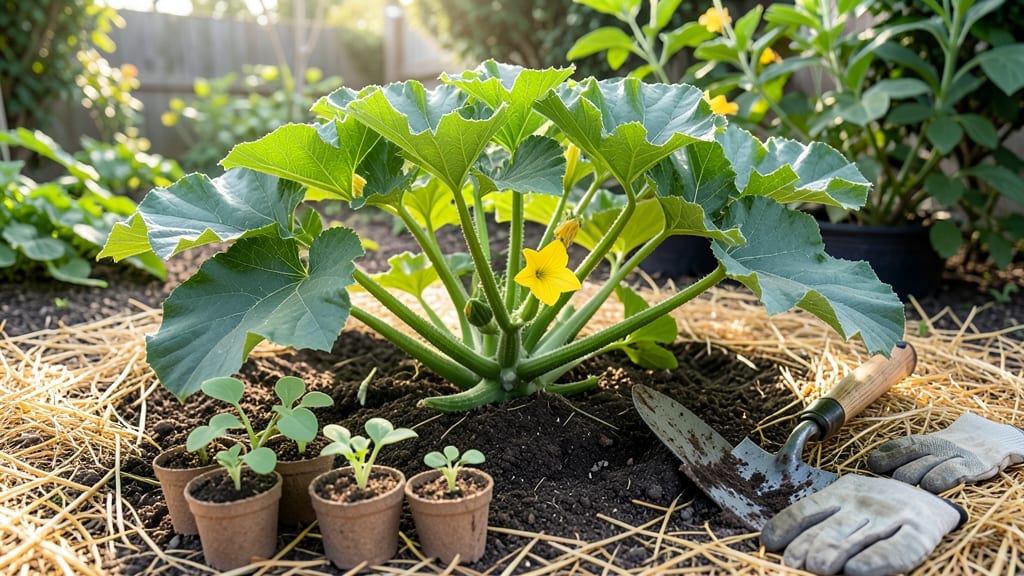
The best place to plant zucchini 🎃 is where it gets full sun, rich soil, and plenty of elbow room to sprawl—because these squash thrive when they’re pampered, not crowded.
Want to grow zucchini so prolific that you’ll be gifting (or canning) more than you can eat? The secret starts with where—and how—you plant them. Skip these critical placement mistakes, and your vines will reward you with bushels of productive, disease-resistant squash.
Most gardeners assume any sunny patch will do, but zucchini are picky about their real estate. They need at least 6 hours of direct sunlight daily, soil that drains well yet holds moisture, and spacing that prevents fungal diseases from creeping in.
In this guide, I’ll walk you through the exact conditions your zucchini crave—from soil prep to companion plants—and how to avoid the three biggest mistakes that kill yields before they even start.

Optimal sunlight and soil conditions for zucchini growth
Zucchini plants thrive when given the right conditions—starting with sunlight and soil quality. These two factors directly impact your harvest's size, flavor, and disease resistance. Without them, even the hardiest zucchini varieties will struggle to produce. Let’s break down exactly what your plants need to flourish.
Your zucchini will demand full sun exposure—at least 6 to 8 hours daily. This isn’t just ideal; it’s essential. Skimp on sunlight, and you’ll end up with weak vines, poor fruit set, and squash that’s pale and watery.
Think of sunlight as the fuel that powers your zucchini’s growth engine—without it, everything else falls apart.
Now, let’s talk soil conditions. Zucchini roots crave loose, well-draining soil rich in organic matter. The ideal pH range sits between 6.0 and 7.0, striking that perfect balance between acidic and alkaline.
Too acidic or alkaline, and your plants will struggle to absorb nutrients, leading to stunted growth or even death.
Here’s a quick reference to get you started on the right foot:
If your soil is clay-heavy or compacted, zucchini roots will suffocate, leading to poor growth. The fix? Amend your soil with compost or aged manure before planting. Aim for 5-10% organic matter to give roots the room they need to spread and access nutrients efficiently.
What if your garden spot gets less than 6 hours of sun? Don’t panic—you can still grow zucchini, but expect a smaller harvest. Try planting bush varieties like 'Eight Ball' or 'Patio Star,' which tolerate partial shade better than vining types.
Just be prepared for fewer squash and more effort to keep plants healthy.
Test your soil’s pH using a simple soil test kit (available at garden centers). If it’s off-kilter, adjust it with lime to raise pH or sulfur to lower it.
A pH of 6.5 is the sweet spot for zucchini—any lower, and nutrient uptake suffers; any higher, and iron chlorosis (yellowing leaves) becomes a risk.
For maximum yield, pair your zucchini with a mulch layer of straw or shredded leaves. This keeps soil moist, regulates temperature, and suppresses weeds—all while feeding the soil as it breaks down. Just avoid piling mulch against the stems to prevent rot.
One common mistake? Overlooking microclimates in your garden. A spot near a fence or building might get more sun than you think. Use a sunlight tracker for a week to map out the real sunlight hours in each area.
This small step can save you from planting zucchini in a "sunny" spot that’s actually in shade half the day.
Ready to get growing? Start by choosing a south-facing location with no towering trees or structures blocking sunlight. Amend your soil, test the pH, and give your zucchini the full-sun treatment. With these conditions met, you’ll be on your way to a bountiful harvest in no time.
Spacing and companion planting strategies to maximize zucchini yields
Zucchini plants thrive when given the right amount of space to spread their vines and leaves. Crowding leads to poor airflow, which invites fungal diseases like powdery mildew and stunts growth. For bush varieties, aim for 18-24 inches apart in rows spaced 3-4 feet apart.
Vining types need even more room—36+ inches between plants—to prevent competition for nutrients and sunlight.
One of my biggest mistakes early on was planting zucchini too closely, thinking more plants would mean more squash. Instead, I ended up with small, misshapen fruits and pests hiding in dense foliage.
Proper spacing isn’t just about yield—it’s about plant health and easier harvesting. Think of it like giving each plant its own personal bubble to flourish.
Companion planting is another game-changer for zucchini. Pairing them with marigolds deters squash bugs and cucumber beetles, while nasturtiums act as a trap crop for aphids. I’ve also had great success with bush beans nearby—they fix nitrogen in the soil, giving zucchini an extra boost.
Avoid planting near potatoes or melons, as they compete for the same nutrients and attract similar pests.
If you’re short on space, consider vertical training for vining zucchini. Use trellises or cages to guide their growth upward, saving garden real estate while still allowing proper airflow.
I’ve seen vining varieties like 'Black Beauty' produce just as well vertically as they do sprawling, as long as they get enough sunlight. Just be prepared to harvest from below—those squash don’t always grow where you expect!
Another pro tip: rotate your zucchini plants each year to prevent soil-borne diseases from building up. I learned this the hard way when my zucchini plants wilted mysteriously in the same spot year after year.
Crop rotation breaks the pest and disease cycle, giving your plants a fresh start. Pair this with mulching to retain moisture and suppress weeds, and you’ll create an ideal environment for high-yielding zucchini.
Don’t forget that soil fertility plays a huge role in yield. Before planting, mix in compost or aged manure to enrich the soil with nutrients. Zucchini are heavy feeders, so a little extra organic matter goes a long way.
I’ve noticed that plants in well-amended soil produce larger fruits and have fewer blossom-end rot issues. It’s worth the effort to prep your beds properly before the seeds even go in the ground.