
Planting
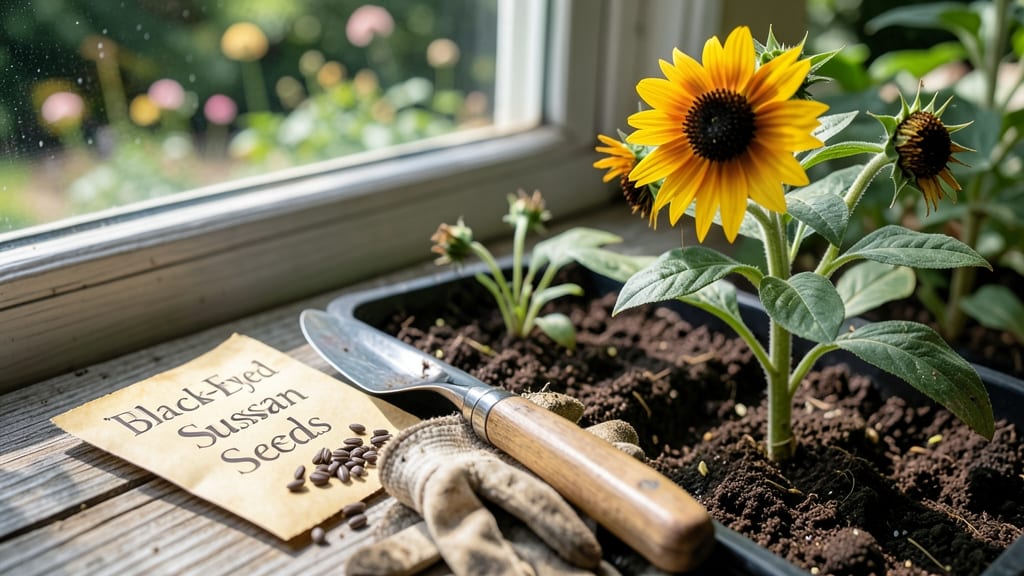
The best time to plant Black Eyed Susan seeds is after your last frost when soil reaches 60°F—typically late spring to early summer for most gardeners.
Picture this: you’ve waited all winter for your garden to burst into color, only to plant your Black Eyed Susan 🌼 seeds too early and watch them rot in cold soil, or too late and miss the full summer blooms.
Timing isn’t just about the calendar—it’s about soil temperature, frost dates, and even your local microclimate.
In USDA Zone 6, where these hardy perennials thrive, the ideal window is April through June, but regional tweaks make all the difference. Too soon? Seeds may fail to germinate. Too late? You’ll sacrifice the peak blooms you’re dreaming of by midsummer.
Here’s what you’ll discover: zone-specific planting calendars, soil prep secrets, and pro tips to turn your seeds into a non-stop floral display from early summer through fall. Let’s get those Black Eyed Susans off to the right start!

Zone-specific planting calendar for Black Eyed Susan seeds by USDA region
Black Eyed Susans thrive when planted at the right time, but their ideal window varies dramatically across USDA zones 3-10. Unlike heat-sensitive annuals, these hardy perennials offer flexibility—you can sow seeds in early spring or fall, but timing affects germination speed and bloom timing.
Let’s break down the perfect planting months for your zone, including soil temperature thresholds and frost sensitivity rules that ensure strong starts.
Most gardeners focus on spring planting after the last frost, but fall sowing works beautifully in warmer zones (7-10). The key difference? Spring planting gives you earlier blooms (year 1), while fall-sown seeds establish deeper roots for bigger flowers next year.
Below, I’ll show you exactly when to plant in each zone, plus how to adjust for unpredictable weather or early/late frosts.
🌱 Pro Tip: Always plant Black Eyed Susan seeds when soil temperatures hit 60°F+—cold soil delays germination by weeks. Use a soil thermometer ($10 at garden centers) to check before sowing. In cooler zones (3-5), wait until mid-May or risk frost damage to tender seedlings.
| USDA Zone | Best Spring Planting Window | Best Fall Planting Window | Soil Temp Requirement | Frost Sensitivity | Bloom Time |
|---|---|---|---|---|---|
| 3-4 | Late May–Early June | None (too cold) | 65°F+ | High (frost kills seedlings) | Year 2 (late summer) |
| 5-6 | Mid-April–Mid-May | September–Early October | 60°F+ | Moderate (hardy but not frost-proof) | Year 1 (late summer) |
| 7-8 | March–April | August–September | 55°F+ | Low (survives light frost) | Year 1 (mid-summer) |
| 9-10 | January–February | July–August | 50°F+ | None (frost-free) | Year 1 (early summer) |
🌼 Note: Fall planting in zones 7-10 yields earlier blooms the following year.
In zones 3-4, where winters are harsh, stick to spring planting only. The ground often stays frozen until late May, so don’t rush—wait for consistent 65°F soil temps to avoid seed rot.
I’ve seen gardeners in Minnesota plant too early and lose entire batches to frost. Use row covers if you’re eager to get a head start in April.
For zones 5-6 (like Chicago or New York), both spring and fall planting work. Fall-sown seeds in September germinate slowly but establish roots before winter, giving you 20% larger blooms the next summer.
Just cover seeds with 1/4 inch of soil and mulch lightly to protect them from early frosts.
Gardeners in zones 7-10 have the most flexibility. You can plant year-round in Florida or California, but aim for January–February for spring blooms or July–August for fall color. In Texas or Arizona, avoid planting during peak summer heat (above 90°F), as seeds dry out before germinating.
💡 Soil Prep Secret: Black Eyed Susans hate soggy soil. Amend clay or heavy soil with compost or sand to improve drainage. A quick pH test (ideal range: 5.5–6.5) ensures nutrients are available. In acidic soil, add lime; in alkaline soil, use sulfur.
After planting, keep seeds moist but not waterlogged. Use a spray bottle for gentle watering until sprouts appear (usually 7–14 days). Thin seedlings to 12 inches apart once they’re 3 inches tall—this prevents overcrowding and ensures larger, showier blooms.
If you miss the ideal window, don’t panic! Black Eyed Susan seeds stay viable for 2–3 years if stored in a cool, dry place. For a last-minute fix, start seeds indoors 6–8 weeks before your zone’s last frost date, then transplant seedlings outdoors once soil warms up.
For continuous blooms, try staggered planting: sow half your seeds in spring
Signs your Black Eyed Susan seeds are ready to plant (and when to wait)
Planting Black Eyed Susan seeds at the wrong time can leave you with weak seedlings or no blooms at all. Unlike many flowers, these hardy perennials thrive when planted after the last frost date but before summer heat sets in.
The key is watching for soil temperature, moisture levels, and weed competition—all signs your garden is truly ready.
I’ve learned from experience that rushing seeds into cold soil or waiting too long can delay blooming by weeks. For example, in USDA Zone 6, planting in early May (after soil hits 60°F) guarantees strong germination, while late June sowings often produce sparse flowers.
Let’s break down the exact signals to watch for.
⚠️ Critical Mistake: Planting When Soil is Too Cold
Black Eyed Susan seeds won’t germinate below 60°F (15°C). Use a soil thermometer—if it’s cooler, wait. Cold soil causes seeds to rot or sprout weakly. In northern zones (3-5), this often means delaying until late May or early June.
Start by checking your soil moisture—it should be damp but not soggy. Press your finger an inch deep; if it feels dry, water thoroughly 24 hours before planting.
Overly wet soil can suffocate seeds, while dry conditions slow germination. I always test this by squeezing a handful of soil—if it crumbles easily, it’s ready.
Competing weeds are another red flag. If your garden bed is already crowded with grass or clover, pull them first or use a mulch barrier. Weeds steal nutrients and shade out young seedlings.
In my Zone 7 garden, I’ve seen Black Eyed Susan seeds fail completely when planted alongside aggressive crabgrass—the weeds choked the seedlings before they could establish.
For fall planting (best in warmer zones 8-10), aim for 6-8 weeks before first frostconsistent daytime temps below 75°F and nighttime temps above 50°F. Seeds sown too late may not root before winter, while early fall plantings can produce second-year blooms—a gardener’s secret for extra color.
Finally, observe your microclimate. South-facing beds warm faster than north sides, so they’re ready earlier. Shaded areas may need to wait until July. I once planted seeds in a shaded spot in June and got almost no flowers—until I moved them to full sun the next year.
Pay attention to where your garden gets the most warmth.
When all these signs align—warm soil, moisture balance, weed-free beds, and proper sunlight—your Black Eyed Susan seeds are ready. Plant them ½ inch deep, space them 12 inches apart, and water gently to settle the soil.
With the right timing, you’ll enjoy bold yellow blooms from mid-summer until frost! 🌼