
Planting
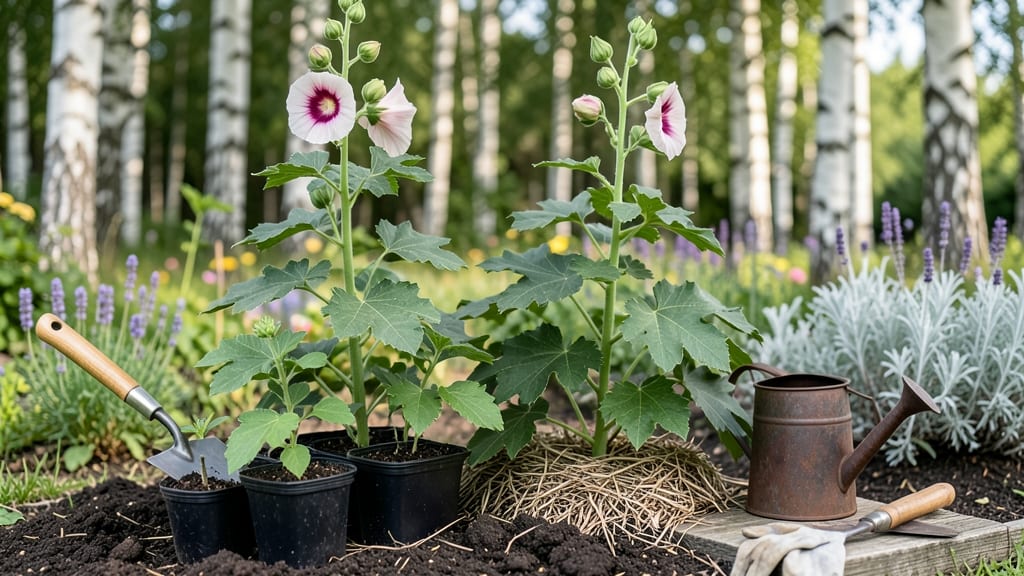
Planting hollyhocks at the best time means the difference between towering 🌸 blooms and sad, leggy stalks that never open.
If you’ve ever watched your hollyhocks struggle—stunted growth, weak stems, or flowers that refuse to bloom—it’s likely a timing issue. These old-fashioned favorites thrive when planted in their natural rhythm, not on a whim.
For most gardeners in USDA Zone 6a (and similar cool climates), early spring or late summer is the sweet spot. But regional differences matter: Southern gardeners can push planting into fall, while Northern zones need to rush before summer heat sets in.
Below, I’ll break down the exact windows, soil prep secrets, and whether to start from seed or transplants—so you can finally get those dreamy, long-lasting blooms without the guesswork.

Optimal planting windows for hollyhocks by climate Zone
Hollyhocks thrive in cool-season climates but struggle when planted too early or late. The best time to plant hollyhocks depends entirely on your USDA zone, with early spring and late summer being the safest bets for most regions.
In northern zones (3-6), focus on spring planting after frost, while southern zones (7-10) benefit from fall sowing to avoid summer heat stress.
For gardeners in USDA zones 3-6, hollyhocks are classic cool-season perennials that establish roots before summer heat arrives. Planting in early spring (March-April) gives them 6-8 weeks to grow before hot weather, while late summer (August-September) sowings allow second-year blooms.
In warmer zones (7-10), fall planting (September-October) is ideal—hollyhocks need time to root before winter dormancy.
Direct sowing is preferred over transplants, as hollyhocks resent root disturbance. Seed packets often specify cold stratification needs, but most varieties benefit from 4-6 weeks of chilling before planting. My Zone 5 garden yields best results when I pre-chill seeds in the fridge for 2 weeks before outdoor planting in late April.
Southern gardeners face unique challenges: Zone 8-10 summers can scorch young hollyhocks. I've found that shade cloth protection during June-July extends the planting window into early October for fall sowings. For Zone 7, aim for March-April or September to avoid summer's peak heat.
Here's how planting windows shift across zones—use this as your climate-specific guide:
| USDA Zone | Primary Planting Window | Secondary Option | Key Consideration |
|---|---|---|---|
| Zones 3-4 | Late April to early May | August-September (fall) | Short growing season; prioritize spring |
| Zones 5-6 | March-April or August | Late September (fall) | Balanced cool/warm options |
| Zones 7-8 | September-October (fall) | March-April (spring) | Fall preferred; spring risky |
| Zones 9-10 | September-October | None (summer too harsh) | Fall only; avoid summer heat |
In northern climates (Zones 3-6), I've seen hollyhocks bloom 2-3 weeks earlier when planted in late August for fall growth. The trade-off? They may not reach full height until their second year. For Zone 5 gardeners, this strategy works beautifully—just mulch heavily before winter to protect tender roots.
Southern gardeners should avoid summer planting entirely. Hollyhocks in Zone 9 wilted dramatically when I tried June sowings—even with shade cloth. The 100°F+ heat stressed young plants before they could establish. Instead, focus on September planting when soil temps drop below 85°F.
Pro tip: Test soil temperature before planting. Hollyhock seeds need 50-60°F soil to germinate. Use a soil thermometer or the back-of-hand test—if it feels warm but not hot, it's prime planting time. In my Zone 6 garden, this usually aligns with mid-April for spring plantings.
For extended blooming seasons, try staggered plantings: sow half your seeds in spring and half in late summer. This creates a continuous display from early summer through fall.
Just remember—hollyhocks are biennials, so first-year plants focus on roots while second-year plants reward you with tall, dramatic blooms.
🌸
Signs your soil and weather are ready for hollyhock planting
Hollyhocks thrive when planted in cool-season conditions, but knowing exactly when your garden is ready can feel tricky. These tall, dramatic bloomers need specific soil temperatures and moisture levels to establish strong roots before summer heat arrives.
I’ve learned the hard way that planting too early risks frost damage, while waiting too long can stunt growth.
Start by checking your last frost date—hollyhocks can’t tolerate freezing temperatures. Most gardeners in USDA zones 3-8 should aim for planting 2-4 weeks after the last frost, but your soil and weather will give you clearer signals than a calendar ever could.
Let’s break down the key indicators to watch for.
⚠️ Planting Too Early = Wasted Effort
Cold soil (below 50°F/10°C) slows germination and invites rot. Hollyhocks need warm soil (55-65°F/13-18°C) to sprout reliably. If you plant in chilly, damp soil, seeds may rot before germinating—or worse, your seedlings could succumb to damping-off disease.
Pro Tip: Use a soil thermometer to confirm temperatures. If it’s still below 55°F, wait another week.
Next, perform the finger test—my go-to trick for checking soil readiness. Push your finger 2-3 inches deep into the soil. If it feels cool but not icy and crumbles easily (not sticky), your soil is primed for planting.
For sandy soil, which drains too fast, add 2 inches of compost to retain moisture. Hollyhocks hate soggy roots, so well-draining soil is non-negotiable.
Pay attention to moisture levels too. Before planting, water the area deeply and let it dry slightly—hollyhocks prefer consistently moist (not waterlogged) soil. If rain is forecast, hold off until the ground dries out; soggy conditions can delay germination.
In dry climates, mulch after planting to lock in moisture and keep roots cool during hot afternoons.
Finally, watch the weather forecast for a 5-day stretch without frost. Hollyhocks are frost-sensitive as seedlings, so even a light freeze can set back growth. If your area has unpredictable spring weather, opt for late summer planting (July-August) instead—this gives seedlings time to establish before winter.
When all these signs align—warm soil, no frost risk, and well-draining moisture—your hollyhocks will reward you with tall, vibrant blooms all summer long. Trust your garden’s cues, and you’ll avoid the most common planting pitfalls. Happy growing! 🌸