
Planting
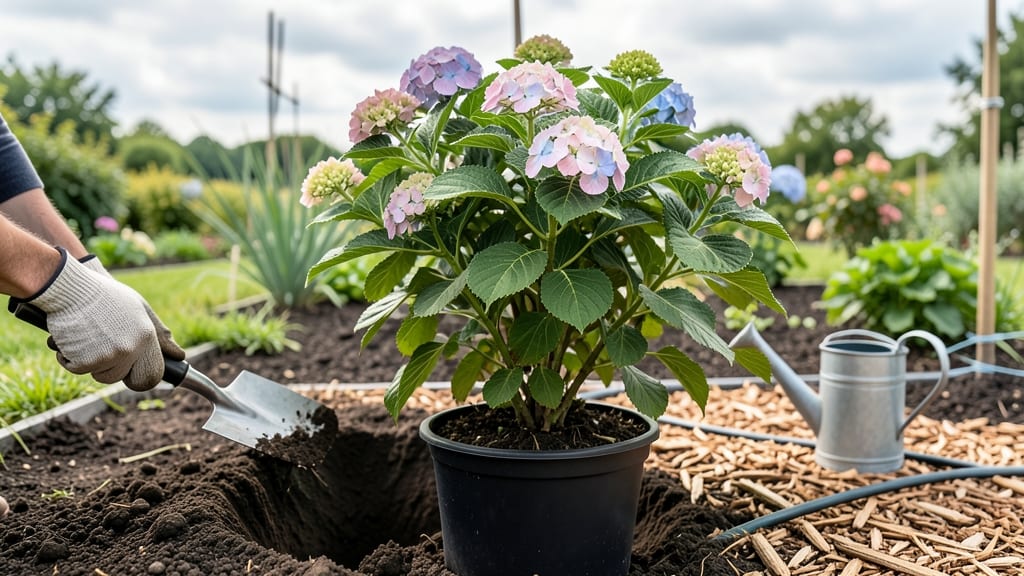
The best time to plant a hydrangea tree is early spring, after your last frost date 🌸 — a window that gives roots 6-8 weeks of warm soil to establish before summer heat arrives.
Picture this: You’ve just unpacked your new hydrangea tree, only to watch it wilt in 90-degree heat because you planted it in July. That’s a common mistake, and it’s why timing matters more than most gardeners realize.
In USDA Zone 6a, like much of the Midwest, your ideal planting window is April through May, when soil temperatures hover around 55°F and the risk of late frosts has passed. Fall plantings are possible in milder zones, but they require extra care to prevent winter stress.
Below, I’ll break down the exact months for your zone, how to prep your soil for optimal root growth, and the simple post-planting routine that keeps your hydrangea thriving for years to come.

Hydrangea planting timeline by USDA hardiness Zones: month-by-month guide
Timing your hydrangea tree planting is crucial—whether you're growing bigleaf hydrangeas, oakleaf varieties, or smooth hydrangeas, the wrong window can lead to weak roots and poor blooms.
I’ve planted hydrangeas in USDA Zones 4-9 and learned that early spring and fall are the golden windows, but the exact months depend on your zone and microclimate.
Late spring or early summer plantings often fail because soil temperatures exceed 75°F, stressing young roots. In Zone 3, for example, I’ve seen hydrangeas struggle when planted after Memorial Day, while Zone 10 gardeners can plant into December without frost worries.
Let’s break down the best months for each zone to maximize your hydrangea’s success.
In Zones 3-4, I always plant bigleaf hydrangeas in early May because frost dates are unpredictable. The goal is to establish roots before summer heat sets in.
For oakleaf hydrangeas, which are slightly hardier, I’ve had success planting as late as mid-June in Zone 4, but only if I provide daily afternoon shade and extra water.
For Zones 5-6, my preferred window is April-May for spring planting, but I also love fall plantings in September-October. The key is ensuring 6-8 weeks of growth before winter dormancy.
In Zone 6a, where I garden, I’ve noticed smooth hydrangeas thrive when planted in early April—they bloom earlier and more reliably than those planted later.
Gardeners in Zones 7-8 have more flexibility, but timing still matters. I plant bigleaf hydrangeas in March-April to avoid summer stress, while oakleaf varieties can handle September plantings because they’re more drought-tolerant. The trick is to water deeply every 2-3 days until roots establish, which takes about 6-8 weeks.
In Zones 9-10, winter planting (December-February) is ideal because it avoids summer’s intense heat. I’ve planted hydrangea trees in January in Zone 10 with no issues, as long as I mulch heavily and keep soil moist.
The only exception is smooth hydrangeas, which prefer cooler roots and do better with fall plantings.
No matter your zone, avoid planting during peak summer months (June-August). The root zone needs to stay below 75°F for proper establishment. If you must plant in summer, choose early June or late August, provide afternoon shade, and water twice daily until roots establish.
Pro tip: Always check your local frost dates and aim to plant 4-6 weeks before the average last frost in spring or 6-8 weeks before the first frost in fall. For container-grown hydrangeas, I recommend planting 1-2 weeks earlier than bare-root plants to give roots time to adjust.
Remember, hydrangeas are heavy feeders, so I always add compost and a slow-release fertilizer at planting. For acid-loving varieties like bigleaf hydrangeas, I mix in peat moss to lower the pH. This gives them a head start on nutrient uptake during their critical first growing season.
🌸
How to prepare your hydrangea for planting: soil, sunlight, and pre-planting checks
Before you dig that hole for your new hydrangea tree, proper preparation can make or break its success. These acid-loving beauties thrive when given the right conditions from day one. Let’s start with the soil pH, which is non-negotiable for vibrant blooms and healthy growth.
Hydrangeas prefer a soil pH between 5.2 and 6.2, making them acid-lovers. Test your soil first—if it’s too alkaline, amend it with sulfur or peat moss 2-3 months before planting.
For container-grown hydrangeas, check the roots for circling roots or signs of root-bound stress, as these can stunt growth if not addressed.
🌱 Best Time to Plant Hydrangea Tree
Early spring (after last frost) or early fall (6-8 weeks before first frost) are ideal. Avoid planting in late spring/early summer—this causes transplant shock and weak root establishment.
USDA Zones 3-6: Plant in April-May or September-October.
USDA Zones 7-10: Plant in March-April or August-September.
⚠️ Avoid planting: After severe weather (flooding, drought), extreme heatwaves, or when soil temps exceed 70°F (21°C).
Next, scout your planting location for sunlight exposure. Hydrangeas adore partial shade—4 to 6 hours of morning sun with afternoon shade, especially in hot climates.
Too much direct sun can scorch leaves, while too little shade may reduce flowering. Observe your yard’s sun patterns for a week before choosing the spot.
For container-grown hydrangeas, gently loosen the roots if they’re root-bound (circling the pot). Trim any damaged or overly long roots with clean pruners. This encourages outward root growth, helping the plant establish faster. Water the container-grown hydrangea thoroughly 24 hours before planting to reduce transplant shock.
Finally, check your local weather forecast for the next 2 weeks. Avoid planting after severe weather events like heavy rains or droughts, as the soil may be unstable.
If you’re in a cooler climate (Zones 3-5), aim for early spring planting to give roots time to establish before winter dormancy.
With the right soil prep, sunlight balance, and root inspection, your hydrangea tree will have the perfect foundation for years of stunning blooms. Happy planting! 🌸