
Plants
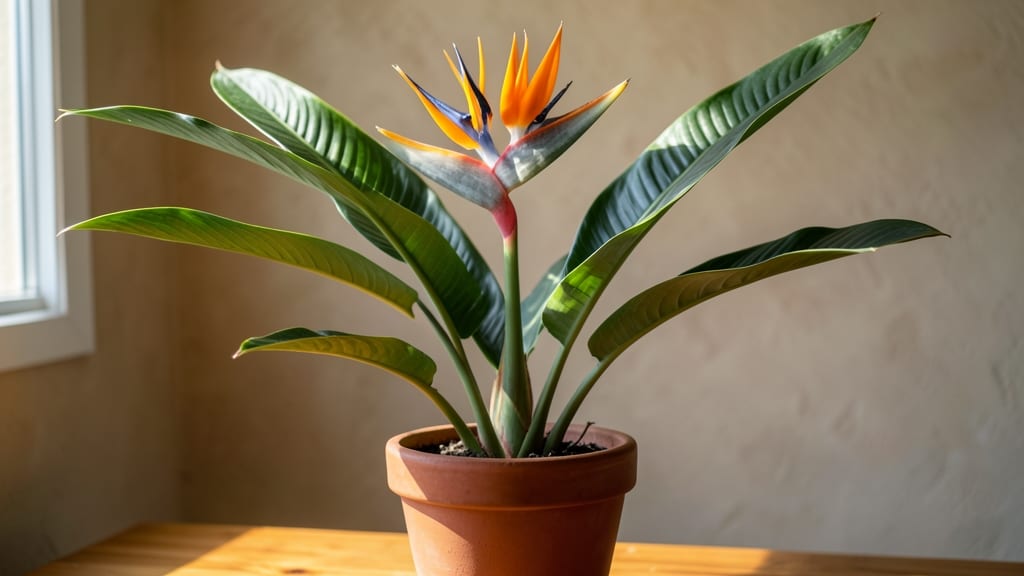
Bird of paradise plants can grow successfully both indoors and outdoors, though outdoor conditions accelerate growth with full sun exposure and natural humidity levels. Indoors, they require bright indirect light and consistent care to maintain their tropical appearance.
This tropical beauty thrives in both settings, but the key difference lies in sunlight intensity and environmental control. 🌿 Outdoors, these plants bask in full sun, which fuels faster growth and more vibrant blooms, while indoors they need bright, indirect light near a south-facing window to compensate.
The trade-off? Indoor plants may grow more slowly but offer year-round control over watering and temperature—critical for maintaining their signature large, dramatic leaves.
What most gardeners don't realize is how humidity plays a pivotal role. Outdoor plants benefit from natural moisture in the air, while indoor varieties often need occasional misting or a humidity tray to prevent leaf browning.
The soil mix also matters—outdoor plants adapt to garden soil, while indoor plants thrive in well-draining potting mixes with added perlite.
💡 In This Article
- Light and Temperature Needs for Bird of Paradise Plants
- Humidity and Soil Care for Indoor vs Outdoor Bird of Paradise
Light and temperature needs for bird of paradise plants
The bird of paradise plant (Strelitzia reginae) originates from South Africa's subtropical regions, where it thrives under bright, direct sunlight with temperatures ranging from 60-80°F. Outdoors, this plant naturally receives 6-8 hours of full sun daily, which triggers optimal photosynthesis and supports its rapid growth rate.
The leaves' waxy texture actually helps reflect excess sunlight, preventing sunburn even in intense conditions—though young plants may need gradual acclimation to avoid leaf scorch.
Indoors, the story changes dramatically. These plants adapt to bright indirect light (like a south-facing window) but struggle with low light, which causes leaves to yellow and grow smaller.
The key difference is light intensity: outdoor plants receive 10,000+ foot-candles of light, while indoor plants thrive at 2,000-4,000 foot-candles. Without sufficient light, the plant's energy production drops by up to 40%, slowing growth and reducing bloom potential. 🌞
Temperature preferences create another trade-off. Outdoors, the plant handles seasonal fluctuations (as low as 35°F with protection), but indoor environments must stay consistently warm. Cold drafts from windows or AC vents can cause leaf browning within days, while heat above 90°F leads to crispy leaf edges.
The ideal indoor temperature range is 65-75°F, with nighttime temps never dropping below 55°F.
Seasonal adjustments are crucial for outdoor plants. In winter, they enter dormancy when temperatures dip below 50°F, slowing growth but preserving energy. Indoors, this dormancy doesn't occur naturally—consistent warmth means continuous (though slower) growth year-round.
The trade-off? Indoor plants may develop longer internodes (spaces between leaves) if light is insufficient, creating a leggy appearance that outdoor plants avoid through natural sunlight cycles.
What most growers overlook is how light quality affects blooming. Outdoor plants receive full-spectrum sunlight, which triggers the photoperiodism response needed for flower production. Indoors, supplement with a 12-hour grow light (5,000-6,500K color temperature) to mimic natural conditions.
Without this, indoor plants may produce leaves but rarely bloom—even with perfect care.
For both settings, the rule of thumb is: More light = faster growth and better blooms**, but outdoor plants handle it naturally while indoor plants require active management. The key is monitoring leaf color—dark green means happy, while pale or yellow indicates insufficient light or nutrient deficiencies.