
Planting
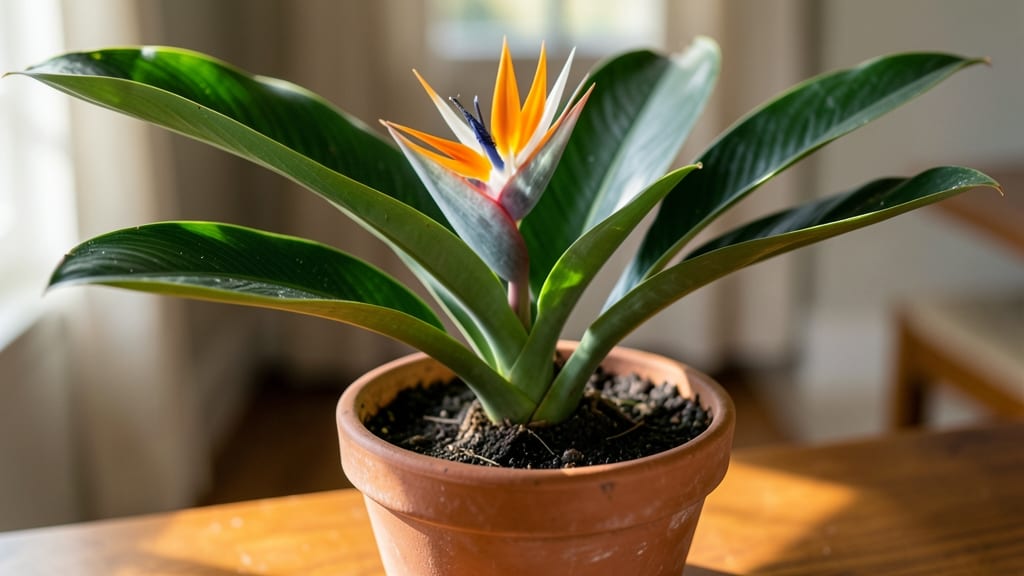
That real large bird of paradise plant (Strelitzia nicolai) isn’t just a plant—it’s a statement piece with blue-green leaves the size of dinner plates and flowers that look like they belong in a jungle. 🌿 I’ve grown both the small and large varieties, and this one steals the show every time, thriving outdoors in zones 9-11 or as a dramatic indoor specimen in cooler climates.
The key to keeping it happy is mimicking its native South African habitat: bright, indirect light (no harsh afternoon sun), well-draining soil, and consistent moisture—but never soggy roots. Unlike its smaller cousin, this giant needs space: 6-10 feet tall and wide, so plan accordingly.
In containers, it’s a slow grower but rewards patience with lush, architectural foliage.
You’ll love how it blooms sporadically (often in winter) with those iconic orange-and-blue flowers, but even without flowers, the leaves alone make it a showstopper. Prune only to shape or remove dead fronds, and fertilize lightly in spring.
The real magic? It’s drought-tolerant once established, making it lower-maintenance than it looks.
For indoor growers, keep it near a south-facing window or under grow lights, and watch for yellowing leaves (overwatering) or brown tips (dry air). With the right care, this plant will outlive you—and still look stunning doing it. Ready to bring the tropics home?
📚 In This Guide
- What you need
- Instructions
- Tips and common mistakes
- Wrapping up and next steps
What you need
- ● Large Bird of Paradise Plant: A healthy, mature plant (3–5 ft tall) from a nursery or reputable seller. Look for vibrant green leaves and sturdy stems.
- ● High-Quality Potting Mix: 5–10 gallons of a well-draining, peat-based mix (e.g., 60% peat moss, 20% perlite, 20% coarse sand or orchid bark).
- ● Pot: A container 12–18 inches wide with drainage holes (terracotta or ceramic preferred).
- ● Fertilizer: Balanced, water-soluble fertilizer (10-10-10 or 20-20-20) for tropical plants.
- ● Mulch: Organic mulch (e.g., pine bark or coconut coir) to retain moisture and regulate temperature.
- ● Gloves: Heavy-duty gardening gloves to protect hands from rough leaves.
- ● Trowel or Spade: For transplanting and soil adjustments.
- ● Watering Can or Hose: With a gentle spray nozzle for hydration.
- ● Pruning Shears: Sterilized shears for trimming dead or yellowing leaves.
- ● Sunlight Spot: A bright, indirect light area (6+ hours of filtered sun daily).
- ○ Humidity Tray (Optional): A pebble tray with water to boost humidity in dry climates.
- ○ Support Stake (Optional): For young plants to prevent toppling (bamboo or wooden stakes work well).
Step-by-step guide to growing a large, thriving bird of paradise plant
This striking tropical beauty thrives with the right care—here’s how to cultivate one that steals the show.
🌱 Step 1: Select and Prepare the Perfect Planting Site
Bird of paradise (Strelitzia reginae) loves warmth and bright, indirect light—think 6-8 hours of morning sun with afternoon shade in hotter climates. I always test the spot first by leaving a similar-sized pot there for a week. If the soil feels dry to the touch after 2-3 days, it’s too harsh; if it stays damp, it’s ideal.
Dig a hole twice as wide as the root ball but only as deep as the top of the container. Amend heavy or clay soil with 2-3 inches of compost mixed into the bottom of the hole. This ensures good drainage while retaining moisture—critical since the plant’s native habitat is moist but well-drained tropical soil.
☀️ Step 2: Plant with Care for Strong Root Establishment
Gently remove the plant from its container and loosen any circling roots with your fingers. Place it in the hole so the top of the root ball sits 1 inch below soil level—this prevents rot while encouraging a sturdy base. Backfill with native soil, pressing lightly to eliminate air pockets but avoiding compaction.
Water deeply right after planting to settle the soil and encourage root contact. You’ll know it’s right when water drains freely from the bottom of the hole. Mulch with 2-3 inches of organic mulch (like shredded bark) around the base, keeping it 6 inches away from the stem to prevent moisture buildup against the trunk.
💧 Step 3: Water and Fertilize for Lush, Dramatic Growth
Keep the soil evenly moist but never soggy—this plant’s roots despise waterlogged conditions. Water when the top 2-3 inches of soil feel dry, which for me usually means every 5-7 days in summer and every 10-14 days in winter. Overwatering is the #1 killer, so always check before adding more.
Feed monthly during spring and summer with a balanced, water-soluble fertilizer (10-10-10 or similar) diluted to half-strength. In fall and winter, reduce feeding to every 6-8 weeks—the plant’s growth naturally slows, and over-fertilizing can burn roots. You’ll see the difference in bold, vibrant foliage within a few months of consistent care.
✂️ Step 4: Prune and Support for Long-Term Health
Remove any yellow or brown leaves at the base as soon as they appear—they’re a sign of stress or disease. Use clean, sharp pruners to cut back to the nearest healthy growth point. I also trim any overly leggy stems in early spring to encourage bushier, fuller growth. Never prune more than one-third of the plant at once, or you’ll shock it.
As the plant matures, it may need staking or support—especially in windy areas. Install a 3-4 foot tall bamboo stake or trellis near the plant and loosely tie the stems with soft plant ties (never wire, which can cut into the stems). This keeps the dramatic foliage upright and prevents damage during storms.
⏰ Step 5: Overwinter for Year-Round Beauty
Bird of paradise is hardy to USDA Zone 9-11, but in colder climates, it needs protection. Move potted plants to a bright, cool indoor space (like a sunroom) where temperatures stay above 50°F. Reduce watering to every 2-3 weeks and avoid fertilizing entirely until spring.
For in-ground plants, mulch heavily (4-6 inches) with straw or leaves to insulate roots. If frost threatens, wrap the base with burlap or a frost blanket for extra protection. With proper winter care, your plant will rebound in spring with vibrant new growth and stunning blooms.
Tips & tricks for growing a stunning bird of paradise plant
Transforming your bird of paradise into a showstopper takes more than just planting—it’s about the details that make all the difference.
Lighting Strategy: The 6-8 hours of morning sun is non-negotiable for those signature blooms, but here’s what I’ve learned: If your plant isn’t flowering after a year, it might need more direct light. Try rotating the pot quarter-turns every 2-3 weeks to ensure even exposure. In hotter climates, afternoon shade becomes critical after 10-11 AM—watch for leaf scorch, which appears as crispy brown edges.
Soil Science: That 2-3 inches of compost isn’t just filler—it’s the difference between thriving and struggling. For heavy clay soils, mix in one part perlite to three parts compost to improve drainage while keeping moisture. I’ve seen plants in pure clay soil develop root rot within months, while those with this amendment flourish. Pro tip: Test your amended soil—it should crumble easily when dry but hold moisture like a damp sponge.
Watering Wisdom: The "top 2-3 inches dry" rule works, but here’s how to apply it: Stick your finger in the soil at the outer edge of the root zone, not the center. The edges dry faster and give you the most accurate reading. In summer, I water in the early morning to prevent fungal issues from overnight moisture. And if you’re using rainwater (which is ideal), let it sit in a bucket for 24 hours first—bird of paradise plants are sensitive to chlorine and other chemicals.
Fertilizer Finesse: That monthly feeding during spring/summer isn’t just about nutrients—it’s about timing. I feed right after a deep watering (when the soil is moist), and I always rinse the soil surface afterward to prevent salt buildup. For the half-strength dilution, I measure out the fertilizer first, then add water to the container—this gives me more control than guessing. And in fall, I switch to a lower-nitrogen fertilizer (like 5-10-10) to encourage root development for winter.
Pro Tips for Large Bird Of Paradise Plant Real
- Transforming your bird of paradise into a showstopper takes more than just planting—it’s about the details that make all the difference.
- Lighting Strategy: The 6-8 hours of morning sun is non-negotiable for those signature blooms, but here’s what I’ve learned: If your plant isn’t flowering after a year, it might need more direct light.
- Soil Science: That 2-3 inches of compost isn’t just filler—it’s the difference between thriving and struggling.
Frequently asked questions
Got questions about growing your own real Large Bird of Paradise plant? You’re not alone—this stunning tropical beauty comes with its own quirks! Here are answers to the most common queries, from care basics to troubleshooting, so you can keep your plant thriving like a pro.
How fast does a Large Bird of Paradise plant grow?
A mature Strelitzia nicolai can grow 3 to 6 feet per year under ideal conditions (bright, indirect light and rich soil). Young plants grow slower—expect 1 to 2 feet annually. Patience pays off, though! With proper care, it’ll reward you with dramatic foliage and showy blooms in 3 to 5 years.
Can Large Bird of Paradise survive winter outdoors?
This tropical plant is not frost-tolerant—temperatures below 30°F (-1°C) can damage or kill it. If you live in a cold climate, move it indoors before winter or grow it in a large container for easy relocation. A sunny patio or greenhouse works well in milder winters, but always protect it from wind and freezing temps!
Why are the leaves turning yellow or brown?
Yellowing leaves often signal overwatering or poor drainage, while brown edges may mean underwatering or low humidity. Check the soil—it should be moist but not soggy. If the roots are mushy, repot in well-draining mix. For brown tips, mist the leaves or place a pebble tray nearby to boost humidity.
Is Large Bird of Paradise toxic to pets?
Great news! This plant is non-toxic to cats and dogs, according to the ASPCA. You can safely enjoy its bold beauty without worrying about curious pets munching on leaves. Just keep an eye out for other houseplants that might be lurking nearby—some common ones (like lilies) are dangerous for pets.
What’s the best alternative if I can’t grow Large Bird of Paradise?
If space or climate is a concern, try these similar tropical showstoppers:
- White Bird of Paradise (Strelitzia reginae): Smaller but equally striking with orange-and-white blooms.
- Banana Plant (Musa spp.): Fast-growing and dramatic, though not as cold-hardy.
- Palm Trees (Chamaedorea or Phoenix spp.): Great for indoor tropical vibes with less maintenance.
Wrapping up and next steps
The Large Bird of Paradise isn’t just a plant—it’s a statement of tropical elegance that brings drama and vibrancy to any space.
With its striking Strelitzia nicolai foliage and bold architectural form, this real-life masterpiece thrives with the right care, offering year-round beauty that’s as rewarding as it is eye-catching. 🌿✨
Ready to transform your garden or indoor oasis? Start small—whether it’s a single plant or a cluster—and watch your space come alive with its lush, architectural charm. Your tropical dream is just a pot (or a sunny spot) away!