
Vegetables
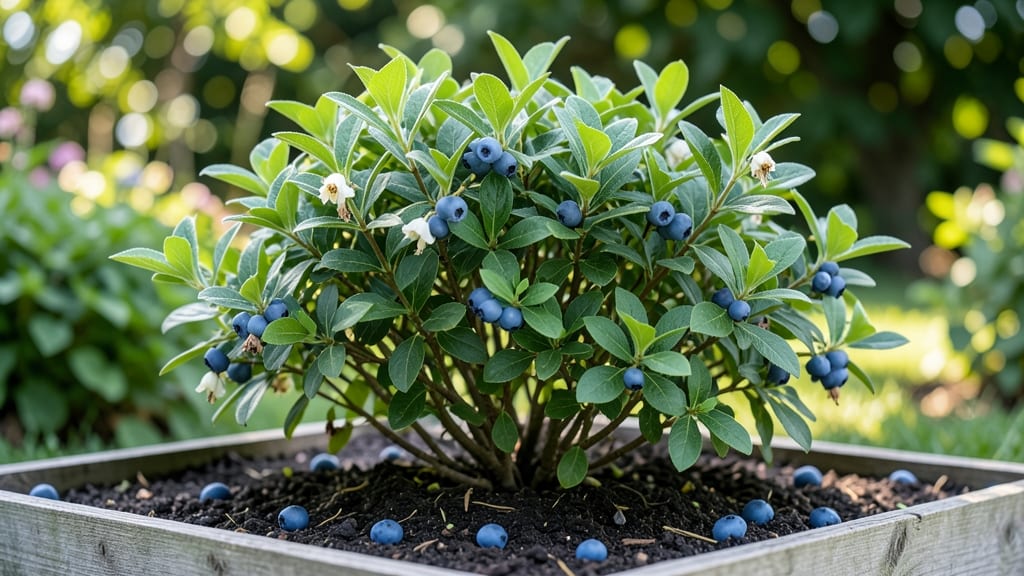
Blueberries in Ohio grow best with cold-tolerant types like 'Bluecrop' or 'Patriot,' requiring acidic soil (pH 4.5-5.5) and spacing of 4-6 feet. Ohio’s shorter growing season suits early-to-mid season varieties, with planting ideal in early spring or fall for strong root development.
Ohio’s climate presents unique challenges for blueberry cultivation, but the right cultivars make it entirely possible. 🌱 The state’s cold winters and variable summers demand varieties that balance hardiness with heat tolerance—like 'Bluecrop' (a classic) or 'Patriot' (disease-resistant).
These plants also need well-draining, acidic soil to prevent root rot, which is why many gardeners amend their beds with sulfur or peat moss. What’s interesting is how Ohio’s microclimates vary: Northern regions benefit from longer chilling periods, while Southern areas may need shade protection during summer heatwaves.
Timing is everything when planting in Ohio. Spring planting (March-April) gives roots time to establish before summer heat, while fall planting (September-October) takes advantage of cooler temperatures and winter moisture. Frost dates are critical—you’ll want to avoid planting when hard frosts are still possible, as young roots are vulnerable.
Mulching with pine needles (which also lowers soil pH) and consistent watering (1-1.5 inches per week) are non-negotiable for Ohio’s clay-heavy soils.
💡 In This Article
- Best Ohio Blueberry Varieties for Climate and Soil
- Ohio Blueberry Planting and Care Calendar
Best Ohio blueberry varieties for climate and soil
Ohio’s climate demands blueberry varieties that can handle both cold winters and occasional summer heatwaves, which is why 'Bluecrop' and 'Patriot' dominate local recommendations. 'Bluecrop' thrives in zones 3-7 with its exceptional cold hardiness (surviving down to -25°F) and high yield—producing 1-2 pounds per bush annually when mature.
Its large, sweet berries ripen mid-season, avoiding Ohio’s late spring frosts that can damage early bloomers. Meanwhile, 'Patriot' stands out for its disease resistance, particularly against mummy berry fungus, which plagues Ohio’s humid summers. 🌡️
The soil requirements are non-negotiable: Ohio’s native clay soils are naturally alkaline (pH 7-8), but blueberries need acidic conditions (pH 4.5-5.5) to absorb nutrients. Gardeners often mix in sulfur or peat moss to lower pH, while pine bark mulch (pH 4.0-4.5) doubles as a slow-release acidifier.
Northern Ohio’s cooler summers suit varieties like 'Jersey' (early ripening), while Southern Ohio’s heat benefits from 'Duke' (heat-tolerant). The key difference? Northern plants need longer chilling hours (800-1,000 hours below 45°F), while Southern plants prioritize heat tolerance (up to 90°F).
What most gardeners overlook is how Ohio’s microclimates affect variety success. For example, the Lake Erie region (like Cleveland) has milder winters, allowing 'Bluegold' to thrive—its golden hue and 3-4 week harvest window make it a favorite for U-pick farms.
In contrast, Appalachian Ohio (like Athens) benefits from 'Chester,' which handles higher elevation stresses and produces smaller but intensely flavorful berries. The trade-off? Chester’s lower yield (0.5-1 pound per bush) is offset by its longer shelf life (up to 2 weeks post-harvest).
Disease pressure is another critical factor. Ohio’s humid summers create ideal conditions for blueberry leaf spot and botrytis blight, which is why 'Patriot' and 'Liberty' (another top pick) are bred for fungal resistance.
These varieties also benefit from Ohio’s short growing season—they mature quickly (60-70 days from bloom) before summer pests peak. The downside? Their shorter harvest windows (2-3 weeks) require precise timing for optimal fruit quality. 🍇
For home gardeners, the best strategy is to plant multiple varieties to extend the harvest season. A classic combo is 'Bluecrop' (mid-season) paired with 'Jersey' (early) and 'Duke' (late). This trio covers Ohio’s 60-70 day growing window from late June to early August.
The spacing between bushes (4-6 feet) isn’t just about aesthetics—it improves air circulation, reducing fungal diseases by up to 40% compared to crowded plantings. In Ohio’s clay soils, this also prevents root competition for moisture, which is critical during the state’s summer droughts.
One pro tip: If you’re in Southern Ohio, consider partial shade for bushes like 'Duke' to protect them from afternoon sun intensity (often exceeding 90°F). Northern Ohio growers, however, can plant in full sun, as cooler summers reduce heat stress.
The soil’s drainage is equally important—blueberries rot within 48 hours in waterlogged conditions, common in Ohio’s heavy clay. Raised beds with sand or perlite amendments solve this by improving porosity. 💫