
Planting
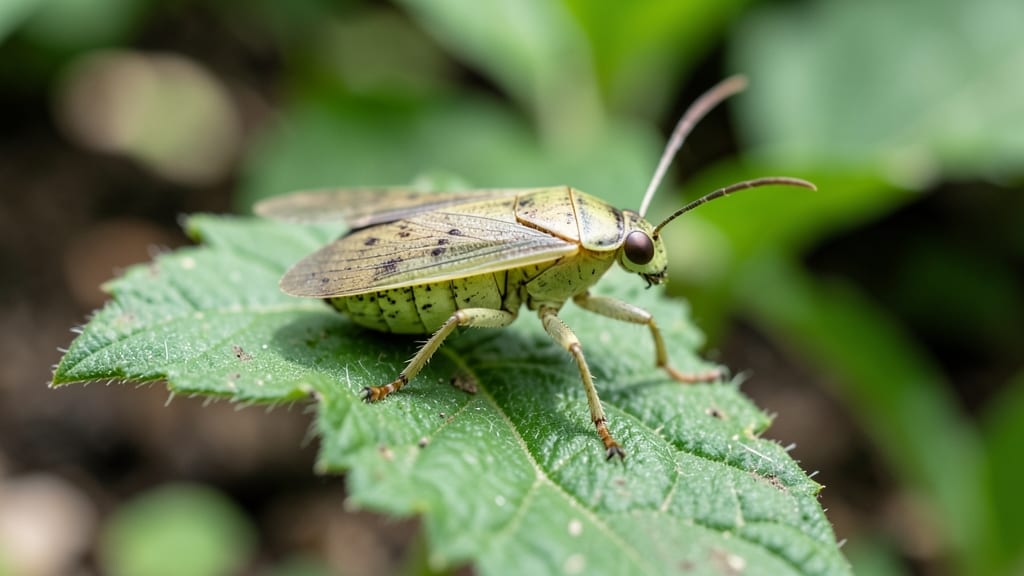
Bordered plant bug nymphs turn your thriving garden into a sad, stunted mess—unless you act fast. 🌿 These tiny, green predators (Lygus lineolaris) attack tomatoes, peppers, and beans, leaving behind deformed flowers and wilting leaves before you even spot them.
I’ve battled them for years, and I’ll show you how to stop them without harming your lawn or beneficial insects.
The damage starts small: buds drop before opening, leaves develop odd notches, and new growth looks like it’s been pinched by invisible fingers. These nymphs hide on the undersides of leaves, so you’ll need to check regularly—especially after rain, when they’re most active.
The good news? They have natural predators like lacewings and parasitic wasps that can keep populations in check if given the chance.
Neem oil sprays and kaolin clay barriers work wonders, while companion plants like marigolds and nasturtiums distract them from your veggies. For severe cases, insecticidal soap targets only the bugs, leaving your garden’s ecosystem intact. The key is early detection—once they’re established, they multiply fast.
Prevention is your best weapon: remove weeds (their winter hosts), use floating row covers, and rotate crops yearly. With these strategies, you’ll protect your harvest without turning your yard into a chemical battlefield. Let’s get your garden back to thriving!
Root Causes Of Tiny Leaf Invaders
Those pesky bordered plant bug nymphs don’t just show up out of nowhere—they’re drawn to specific conditions that make your garden a five-star hotel. Understanding these triggers is the first step to reclaiming your plants without resorting to harsh chemicals. Let’s break down the science behind their infestation.
Bordered plant bug nymphs thrive in dense, unhealthy foliage where they can hide, feed, and reproduce undetected. Overcrowded plants—whether from poor spacing, excessive pruning, or weak growth—create the perfect shelter. These bugs target stressed plants because their phloem-sucking feeding is easier when cell walls are already compromised.
Why does this happen?
- Weakened defenses: Stressed plants produce fewer defensive compounds (like tannins or alkaloids), making them easier prey.
- Moisture retention: Thick, damp foliage provides ideal humidity levels for nymphs to molt and survive.
- Food abundance: Damaged leaves release more sap, a protein-rich meal for nymphs.
Actionable fix: Thin out overgrown plants, improve airflow with proper spacing, and remove debris where nymphs hide.
Not all plants are equal in the eyes of bordered plant bug nymphs. They have a preference for tender, young growth, especially on:
- Vegetables: Tomatoes, peppers, eggplants, and beans
- Fruits: Citrus, berries, and stone fruits
- Ornamentals: Roses, hibiscus, and snapdragons
Why do they choose these?
- High sap content: Succulent, water-rich leaves are easier to pierce with their stylets (mouthparts).
- Thin cuticles: Young leaves have softer protective layers, making feeding more efficient.
- Volatile organic compounds (VOCs): Some plants emit chemicals that signal "easy prey" to bugs.
Actionable fix: Monitor high-risk plants closely, use row covers for seedlings, and rotate crops to disrupt their lifecycle.
Bordered plant bug nymphs are cold-sensitive and seek out warm, protected spots to survive. Greenhouses, mulched beds, and south-facing gardens create microclimates where temperatures stay ideal (between 65–85°F) year-round.
Why does climate matter?
- Slower development: Cooler temps delay molting, keeping nymphs in a vulnerable stage longer.
- Extended breeding season: Warmth allows multiple generations per year, worsening infestations.
- Reduced predator activity: Beneficial insects (like ladybugs) are less active in heat, leaving nymphs unchecked.
Actionable fix: Use reflective mulch to deter heat-loving bugs, prune to improve airflow, and introduce predator-friendly habitats (e.g., ground covers for lacewings).
Healthy soil = healthy plants = natural pest resistance. Bordered plant bug nymphs exploit gardens where:
- Soil is compacted or waterlogged (root stress)
- Nutrient imbalances exist (e.g., too much nitrogen, not enough potassium)
- Beneficial microbes are lacking (weakened plant immunity)
Why does soil matter?
- Weakened vascular systems: Poor soil leads to stunted growth, making plants easier targets for sap-suckers.
- Altered plant chemistry: Stressed plants produce less salicylic acid, a natural pest-repellent compound.
- Increased susceptibility to secondary pests: Damaged plants attract other insects, creating a feedback loop.
Actionable fix: Amend soil with compost, use mycorrhizal fungi, and test pH/nutrient levels to strengthen plant resilience.
Pro tip: 🔍 Early detection is key—check the undersides of leaves daily for tiny (1/8-inch) nymphs with white-edged black bodies. Catching them before they mature saves your plants!
Natural Ways to Remove Tiny Garden Pests
If you’ve spotted tiny, shield-shaped nymphs clinging to your plants, don’t panic—there are effective, eco-friendly ways to manage them without harming your lawn or beneficial insects. Below are targeted solutions based on the most common causes of infestations, along with preventive tips to keep your garden pest-free.
Best for: Small, localized infestations (early stages).
- 👨🍳 Inspect plants daily – Focus on undersides of leaves, stems, and flower buds where nymphs hide.
- 🔪 Use a damp cloth or soft brush – Gently wipe off bugs into a bucket of soapy water (1 tsp dish soap per gallon).
- 🌿 Drop cloth method – Shake plants over a tarp, then dispose of pests in sealed bags.
Pro Tip: 💡 Do this early in the morning when bugs are sluggish and easier to remove.
Best for: Medium infestations (when hand-picking isn’t enough).
| Solution | How to Use | Why It Works |
|---|---|---|
| Neem Oil Spray | Mix 1 tbsp neem oil + 1 tsp mild soap in 1 quart water. Spray directly on bugs (avoid blooming plants). | Disrupts feeding and reproduction. |
| Insecticidal Soap | Spray early morning/late evening (avoids harming bees). Reapply after rain. | Breaks down bug exoskeletons on contact. |
| Kaolin Clay Spray | Mix 1 cup kaolin clay + 1 gallon water. Spray foliage (forms a protective barrier). | Confuses bugs’ scent trails; non-toxic. |
⚠️ Warning: Always test sprays on a small leaf first—some plants (like tomatoes) may react.
Best for: Long-term prevention (reduces need for sprays).
- 🐞 Attract ladybugs & lacewings – Plant dill, fennel, or marigolds near infested areas.
- 🕷️ Install bat/bird houses – Bats eat adult bugs; birds snack on nymphs.
- 🐸 Keep frogs & toads – Provide shallow water dishes to lure them into your garden.
🎯 Prevention Hack: 🌡️ Mulch with wood chips—it retains moisture, making your garden less appealing to pests.
Best for: Stopping reinfestation.
- 🧹 Remove debris & weeds – Piles of leaves or grass clippings harbor eggs.
- 🛡️ Use row covers – Lightweight fabric over young plants blocks adults from laying eggs.
- 🌿 Prune damaged leaves – Dispose of clippings in sealed bags (not compost).
💡 Pro Tip: Rotate crops yearly to disrupt bug life cycles.
If nymphs are clustered heavily or plants show yellowing/speckled leaves, act within 3–5 days to prevent spread. For severe cases, combine methods (e.g., spray + hand-pick + predator plants).
✨ Final Reminder: Consistency is key—check plants weekly during growing seasons (spring/fall) to catch infestations early.
Need a deeper dive? Explore organic pest control schedules for seasonal timing tips!
Frequently asked questions
How can I tell if my plants have bordered plant bug nymphs?
Look for tiny (1/8-inch) green or black bugs with white edges on leaf undersides. Check for speckled or notched leaves, dropped flower buds, or stunted growth—these are classic signs. Nymphs hide near growing points, so examine new leaves and stems carefully.
Will neem oil harm my beneficial insects like ladybugs?
Neem oil is selective when applied correctly—spray only on affected areas and avoid blooming plants. Apply in early morning/late evening when bees are less active. For extra safety, use kaolin clay (non-toxic to all insects) as a barrier instead.
Can I use insecticidal soap on edible plants?
Yes, but only food-grade insecticidal soap labeled for edibles. Spray directly on bugs, not leaves, and rinse produce 24 hours before eating. Avoid using when bees are active, as it can harm them too. Test on a small leaf first—some plants may develop brown spots.
Why do nymphs keep coming back after I treat them?
Nymphs reproduce quickly—one female lays 20-50 eggs in soil or plant debris. Remove all weeds and mulch thoroughly, then use row covers to block new adults. Combine treatments: spray + hand-pick + predator plants (like marigolds) for best results.
Are there any plants that naturally repel bordered plant bug nymphs?
Plant nasturtiums, marigolds, or dill near vulnerable crops—their strong scents confuse nymphs. These also attract lacewings and ladybugs, which eat nymphs. For heavy infestations, interplant with basil or thyme as a deterrent barrier.