
Planting
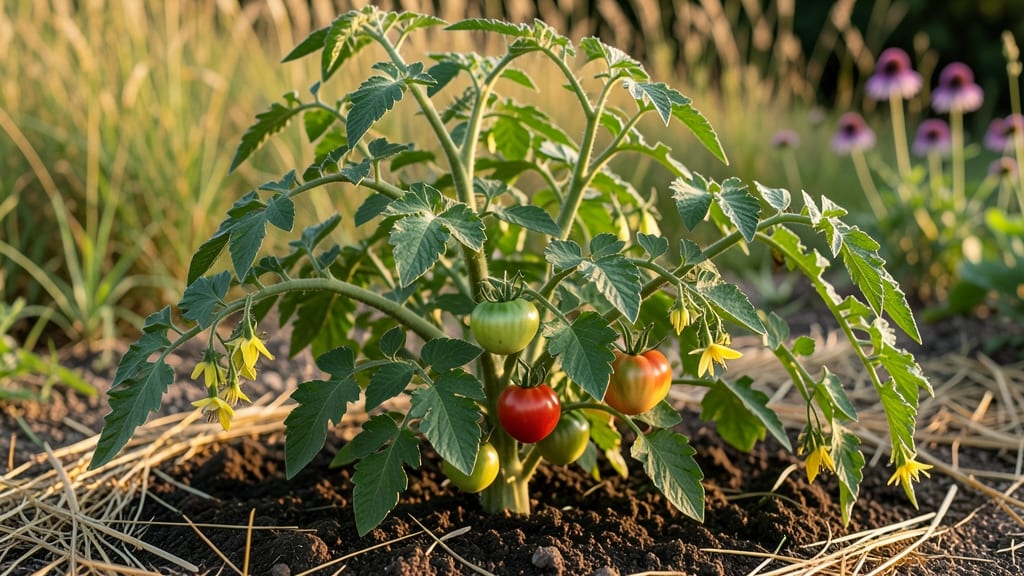
Growing California Weave tomatoes transforms your garden into a living sculpture. 🌱 These heirloom beauties aren't just delicious—their twisting vines create dramatic vertical displays that turn ordinary tomato plants into showstoppers. The secret lies in their unique growth habit, which thrives with the right balance of support, pruning, and care.
This variety demands well-draining soil rich in organic matter and full sun exposure (6-8 hours daily). Plant in early spring after the last frost, spacing vines 3-4 feet apart to accommodate their sprawling habit. The key to that signature twist?
A strong trellis or sturdy cage—weave the vines gently as they grow to encourage the iconic spiral pattern without breaking tender stems. By midsummer, you'll harvest sweet, medium-sized fruits with rich flavor, all while your garden becomes a living work of art.
The plants stay productive for weeks longer than standard varieties when properly supported and pruned. Works beautifully in containers too—just choose a 5-gallon pot or larger. Here's how to coax those perfect twists from seed to harvest.
📚 In This Guide
- What you need
- Instructions
- Tips and common mistakes
- Wrapping up and next steps
What you need
- ● California Weave Tomato Seeds or Seedlings: Choose Solanum lycopersicum varieties suited for weaving (e.g., 'Tumbling Tom,' 'Tiny Tim,' or 'Micro Tom').
- ● Start with 3-5 plants for a small weave or 10+ plants for a dramatic display.
- ● Support Structure: A 3-6 foot tall trellis, fence, or sturdy wire frame (diameter: 2-4 inches for stability).
- ● Twine or soft garden twine (100+ feet, ¼-inch thickness).
- ● Growing Medium: Well-draining potting mix (10-20 gallons, depending on container size) or nutrient-rich garden soil.
- ○ Containers (optional but recommended): 5-gallon pots or raised beds (12-18 inches deep).
- ● Fertilizer: Balanced organic fertilizer (e.g., 5-5-5 or 10-10-10, 1-2 cups per plant).
- ● Tomato-specific fertilizer (high in potassium and phosphorus for fruiting).
- ● Watering Tools: Watering can or hose with a gentle spray nozzle (avoid overhead watering to prevent disease).
- ● Hand Pruners or Scissors: For trimming suckers and shaping vines.
- ● Gloves: To protect hands while handling plants and twine.
- ● Sunlight Access: 6-8 hours of full sun daily (critical for fruiting!).
- ○ pH Test Kit (Optional): To ensure soil pH is between 6.0-6.8 (tomatoes thrive in slightly acidic soil).
- ○ Mulch (Optional): Straw or shredded leaves to retain moisture and suppress weeds.
How to create a California weave tomato trellis for vertical growth
This method transforms sprawling tomato vines into a stunning vertical display while improving air circulation and fruit production.
🪴 Step 1: Choose and Prepare Your Tomato Varieties
Select indeterminate tomato varieties like 'Sungold', 'Brandywine', or 'Cherokee Purple'—their long vines thrive with vertical support. I always plant 4-6 plants spaced 18-24 inches apart in a sunny location with full sun exposure for at least 6-8 hours daily. The key here is giving each vine enough room to climb without crowding.
Prepare the soil by amending with 2-3 inches of compost and a balanced organic fertilizer. Tomatoes love slightly acidic soil with a pH between 6.0-6.8. You'll see the first true leaves emerge within 10-14 days, signaling it's time to install your trellis system.
☀️ Step 2: Install the Trellis Framework
Drive four 6-foot wooden stakes into the ground at each corner of your planting area, creating a square or rectangular shape. For a classic California weave, I use 1/2-inch diameter bamboo poles or sturdy garden twine. The stakes should be 2 feet apart and anchored 12 inches deep for stability.
Attach horizontal supports every 12-18 inches up the stakes using zip ties or soft garden wire. These will serve as the "rails" for your tomato vines to weave through. The more horizontal supports, the more dramatic your vertical display will become. Test the framework by gently pulling on each stake—it should stay firmly in place without wobbling.
🌱 Step 3: Train the Vines Through the Trellis
When your tomato plants reach 12-18 inches tall, gently guide the main stem upward along the trellis. Here's where it gets fun—watch for the first set of leaves to appear, then weave the vine through the horizontal supports in a figure-eight pattern. This encourages the plant to grow upward while strengthening the stem.
I like to use soft garden twine to loosely tie the main stem to the trellis every 6-8 inches. Avoid tying too tightly, as this can restrict growth. You'll notice new lateral shoots forming at the leaf junctions—these are your future fruiting branches. Pinch off any suckers (side shoots) growing below the first flower cluster to direct energy upward.
✂️ Step 4: Maintain and Prune for Optimal Growth
Throughout the growing season, continue weaving new growth through the trellis supports. Prune aggressively by removing any suckers that appear below the first flower cluster—these compete with fruit production. You'll see the vines thicken and strengthen as they climb, creating a lush, cascading effect.
Water deeply at the base 1-2 times per week, ensuring the soil remains consistently moist but not waterlogged. Mulch around the base with 2-3 inches of straw or wood chips to retain moisture and regulate soil temperature. Harvest tomatoes as they ripen to encourage continuous production—you'll be rewarded with a stunning vertical display and an abundant harvest.
⏰ Step 5: Winter Preparation and Cleanup
When frost threatens in late fall, cut the vines back to 6 inches above ground level. Remove any remaining plant debris to prevent disease overwintering. Store your trellis components in a dry place for reuse next season. The California weave method works beautifully year after year, creating a dramatic focal point in your garden.
Real talk: Your first attempt might not be perfect, but don't skip the weave pattern—it's what gives this method its signature look. With practice, you'll develop a rhythm, and your tomato plants will thank you with vigorous growth and a bountiful harvest.
Tips & tricks for perfect vertical tomato trellising
These game-changing insights will help you master the California weave method and transform your garden into a thriving vertical tomato display.
Plant Spacing is Everything: The 18-24 inch spacing between plants is non-negotiable for proper air circulation and light penetration. I've learned the hard way that crowding leads to disease and poor fruit production. If your space is limited, opt for fewer plants with wider spacing rather than squeezing them together. This is especially critical in humid climates where fungal diseases thrive.
Framework Stability Matters: When installing your 6-foot stakes, drive them at least 12 inches deep for maximum stability—especially important in windy conditions. I reinforce mine with a third stake in the center for large gardens. The horizontal supports should be taut but not rigid; think of them as flexible guides rather than rigid rails. This flexibility allows the vines to weave naturally without breaking.
Weaving Technique Breakthrough: The figure-eight pattern in Step 3 isn't just decorative—it creates tension that strengthens the vine stems. Start weaving when plants reach 12-18 inches tall, but don't rush. Wait until you see 3-4 leaves between weaves to maintain proper spacing. I use my thumb and forefinger to gently spread the vine before weaving to prevent stem damage. This subtle touch makes all the difference in vine health.
Pruning Strategy: The aggressive pruning in Step 4 might seem extreme, but it's what transforms sprawling vines into productive vertical plants. Focus on removing suckers below the first flower cluster—these energy vampires divert resources from fruit production. I make this my weekly garden ritual, always working in the early morning when the plants are hydrated and less stressed. This timing helps minimize shock to the plants.
Pro Tips for California Weave Tomatoes
- These game-changing insights will help you master the California weave method and transform your garden into a thriving vertical tomato display.
- Plant Spacing is Everything: The 18-24 inch spacing between plants is non-negotiable for proper air circulation and light penetration.
- Framework Stability Matters: When installing your 6-foot stakes, drive them at least 12 inches deep for maximum stability—especially important in windy conditions.
Frequently asked questions
Got questions about growing California Weave tomatoes?
You’re not alone! Here are answers to the most common queries to help you master this vertical gardening technique.
What’s the best tomato variety for California Weave?
Choose determinate (bush) varieties like Roma, Celebrity, or Bush Early Girl. Their compact growth makes them ideal for weaving—indeterminate types (e.g., Cherry or Beefsteak) sprawl too much. Avoid vining varieties unless you’re okay with extra pruning!
How long does it take for tomatoes to “weave” into the design?
Patience is key! Start weaving vines at 4–6 weeks after transplanting (when plants are 12–18 inches tall). The full “weave” pattern takes 6–8 weeks to complete, but tomatoes will fruit earlier—just enjoy the process!
Can I use this technique with other plants?
Try it with cucumbers, beans, or even nasturtiums for a whimsical garden. Just ensure your plants are fast-growing and flexible. Avoid heavy vines (like pumpkins) or brittle stems—they’ll snap under tension.
What if my tomatoes don’t weave or break?
No stress! If vines resist, gently bend and secure them with soft ties (no tight knots!). Broken stems? Prune above a leaf node to encourage new growth. Overcast days or cooler temps slow weaving—adjust expectations and enjoy the organic chaos!
Do I need to fertilize differently for weaved tomatoes?
Standard tomato care applies! Use a balanced fertilizer (10-10-10) at planting, then switch to low-nitrogen (5-10-10) once flowers appear. Weaving doesn’t change nutrient needs—just focus on consistent watering to keep vines flexible and healthy.
Wrapping up and next steps
Growing California Weave Tomatoes isn’t just about adding a stunning visual twist to your garden—it’s a rewarding way to maximize space and creativity while enjoying a bountiful harvest. 🌱 Whether you're a seasoned gardener or a curious beginner, this technique turns ordinary vines into a work of art while keeping your tomatoes thriving.
Ready to elevate your garden game?
Your next step? Grab your stakes, gather your plants, and start weaving! Experiment with different patterns, combine them with other vertical gardening ideas, and watch your garden transform into a lush, dramatic masterpiece. Happy gardening! 🌟