
Planting
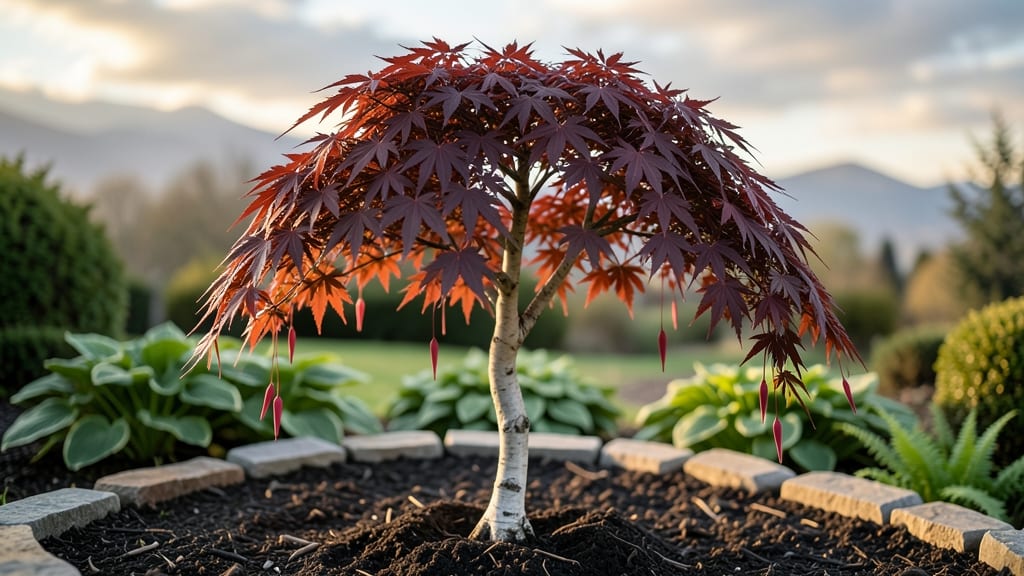
A Chinese maple plant gives you vibrant foliage and stunning fall color—even in containers. 🌿 These cold-hardy trees thrive in zones 5-9, making them perfect for small spaces or urban gardens where larger maples won’t fit.
The key is mimicking their natural woodland conditions, whether planted in the ground or a large pot.
Start with well-draining soil mixed with compost, and choose a spot with morning sun and afternoon shade—too much direct sunlight scorches the delicate leaves. Water deeply once a week, letting the top inch of soil dry out between sessions.
Young plants need consistent moisture, but mature trees develop drought tolerance over time.
Pruning is minimal but strategic: remove dead branches in early spring and shape lightly after leaf drop. The real magic happens in fall, when foliage turns fiery red or orange—a show that lasts weeks.
Container-grown maples need winter protection in colder zones, like wrapping the pot in burlap or moving it to a sheltered spot.
Propagation is tricky but rewarding—layering or grafting works best for most gardeners. If starting from seed, expect 3-5 years before blooms appear. Patience pays off with a tree that outlives you, offering seasonal interest with almost no fuss.
📚 In This Guide
- What you need
- Instructions
- Tips and common mistakes
- Wrapping up and next steps
What you need
- ● Container: A well-draining pot (12–18 inches in diameter) with drainage holes. Terracotta or ceramic works best.
- ● Potting Mix: 3 parts high-quality peat or coconut coir-based mix, 1 part perlite or pumice, and 1 part compost for aeration.
- ● Chinese Maple Plant: A 1–3 gallon-sized container-grown specimen (check local nurseries for cold-hardy varieties).
- ● Garden Gloves: A pair of durable, breathable gloves for handling soil and roots.
- ● Trowel: A small hand trowel for planting and soil adjustments.
- ● Mulch: 1–2 inches of organic mulch (cedar chips or bark) to retain moisture.
- ● Slow-Release Fertilizer: A balanced 10-10-10 or organic fertilizer to boost growth (apply in early spring).
- ● Container Saucer: A decorative tray to catch excess water and protect surfaces.
- ● Plant Stakes or Wire Cage: For support if your Chinese Maple grows tall (especially in windy areas).
- ● pH Test Kit: To ensure your soil is slightly acidic to neutral (6.0–7.0)—ideal for maples.
- ● Winter Protection: A breathable frost cloth or burlap wrap for colder climates (Zone 5 and below).
Step-by-Step guide to growing Chinese maple in containers
Here's how to cultivate these stunning cold-hardy trees with vibrant foliage in pots.
🪴 Step 1: Select the Right Container and Soil Mix
Choose a container that's at least 18-24 inches deep with drainage holes—Chinese maples need room for their root systems to develop properly. I prefer terracotta pots because they allow excess moisture to evaporate, preventing root rot. The container should be 2-3 inches wider than the root ball of your young tree.
Use a well-draining acidic soil mix (pH 5.0-6.5). I blend 50% premium potting soil, 30% peat moss or coconut coir, and 20% perlite or coarse sand. This combination ensures proper aeration while retaining enough moisture for the tree's shallow roots. Fill the pot to about 2 inches below the rim to allow space for watering.
🌱 Step 2: Plant Your Chinese Maple Properly
Remove the tree from its nursery container and gently loosen the roots if they appear circling or compacted. This encourages outward growth rather than root-bound stress. Place the tree in the center of your pot and adjust the soil level so the top of the root ball sits 1 inch below the pot's rim—this prevents soil from spilling out when watering.
Fill the remaining space with your prepared soil mix, pressing lightly around the base to eliminate air pockets. Water thoroughly until it drains from the bottom holes, then let it stand for 10-15 minutes to settle. The soil surface should feel moist but not soggy—you'll see water beading on the surface when it's properly hydrated.
☀️ Step 3: Position for Optimal Light and Temperature
Chinese maples thrive in full sun to partial shade—at least 6 hours of direct sunlight daily. Place your container where it receives morning sun and afternoon shade during hot summer months. A south-facing patio or balcony works well, but watch for leaf scorch if temperatures exceed 90°F.
These trees are cold-hardy (USDA zones 5-8), but container-grown specimens need winter protection. When nighttime temperatures drop below 20°F, move the pot to a sheltered location like a garage or under an eave. Wrap the container in bubble wrap or frost cloth for extra insulation—you'll notice the leaves stay healthier through winter if they're properly protected.
💧 Step 4: Water and Fertilize for Healthy Growth
Water when the top 2-3 inches of soil feel dry to the touch. Container-grown maples dry out faster than in-ground plants, so check moisture daily during summer heat. Water deeply until it flows from the drainage holes, then empty the saucer to prevent root rot. Overwatering is the #1 killer of container maples—yellowing leaves often signal too much moisture.
Feed with a balanced, slow-release fertilizer (10-10-10 or similar) in early spring and again in midsummer. I also mix in a handful of compost or worm castings annually to improve soil structure. Avoid high-nitrogen fertilizers—they promote leafy growth at the expense of vibrant fall colors, which is what we're growing these trees for!
✂️ Step 5: Prune and Maintain Year-Round
Prune in late winter or early spring before new growth begins. Remove any dead, diseased, or crossing branches using clean, sharp pruners. I also shape the tree lightly to encourage a full, balanced form—cut just above a leaf bud or branch collar to prevent damage. Avoid heavy pruning, as Chinese maples respond poorly to drastic cuts.
Inspect the container annually for signs of root binding. If roots circle the pot or grow through drainage holes, it's time to repot into a larger container (up to 2 inches wider). The best time to repot is in early spring before active growth begins. You'll see healthier foliage and more vigorous growth after repotting, as the roots have more space to expand.
Tips & tricks for perfect container-grown Chinese maple
These key insights will help you nurture a thriving Chinese maple that rivals in-ground specimens—without the hassle of transplanting later.
Container Selection: While terracotta is ideal, fiberglass or plastic containers work too—just ensure they have drainage holes. The 2-3 inch wider rule applies to all materials, but terracotta's breathability prevents moisture buildup better during hot summers. For windy locations, secure the container with weights or stakes to prevent tipping, especially when the tree reaches maturity.
The Planting Technique: When loosening circling roots in Step 2, focus on the outer edges where roots are most compacted. Use a clean, sterilized knife to make clean cuts—this prevents damage to healthy root tissue. The 10-15 minute settling period after planting is crucial; this allows the soil to compact naturally around the roots, creating better contact with the soil mix.
Light Management: The 6 hours of sunlight requirement is non-negotiable, but watch for leaf scorch when temperatures exceed 90°F. If you notice crispy edges, move the container to a spot with afternoon shade or use a sheer curtain to filter direct sunlight. Morning sun provides gentle warmth, while afternoon shade prevents heat stress—this balance is key for vibrant foliage.
Winter Protection: At 20°F, Chinese maples enter dormancy, but container-grown specimens can still suffer from temperature fluctuations. In addition to moving to sheltered locations, consider adding a layer of mulch around the base of the container. This helps regulate soil temperature and prevents rapid freezing that can damage roots. The bubble wrap or frost cloth should cover the container completely, including the top.
Pro Tips for Chinese Maple Plant
- These key insights will help you nurture a thriving Chinese maple that rivals in-ground specimens—without the hassle of transplanting later.
- Container Selection: While terracotta is ideal, fiberglass or plastic containers work too—just ensure they have drainage holes.
- The Planting Technique: When loosening circling roots in Step 2, focus on the outer edges where roots are most compacted.
Frequently asked questions
Got questions about growing Chinese maple plants? You’re not alone! Here are some of the most common queries—plus straightforward answers to help you cultivate stunning, cold-hardy foliage with ease.
How cold can Chinese maples tolerate?
Chinese maples (like Acer palmatum) are hardy to USDA Zones 5-8, meaning they can survive winter temps as low as -15°F (-26°C). For container-grown plants, wrap the pot in bubble wrap or move it to a sheltered spot to protect roots from freezing. Mulch the soil with straw or leaves for extra insulation!
When is the best time to plant a Chinese maple?
Plant in early spring or fall when temps are mild (50–70°F or 10–21°C). Avoid extreme heat or frost—roots need time to establish before stress. If buying a container plant, water thoroughly before transplanting to reduce shock. Pro tip: Amend soil with compost for better drainage!
Why are my Chinese maple leaves turning yellow?
Yellow leaves often signal overwatering, poor drainage, or nutrient deficiencies. Check the soil—it should be moist but not soggy. If roots are waterlogged, repot with well-draining mix (50% soil, 30% perlite, 20% compost). Yellow edges may also mean chlorosis (iron deficiency)—apply chelated iron fertilizer in spring.
Can I grow a Chinese maple in a pot long-term?
Yes! With the right care, container Chinese maples thrive for years. Use a large pot (18"+ diameter) with drainage holes and ericoid soil mix (acidic, gritty). Repot every 2–3 years in spring. Dwarf varieties like ‘Bloodgood’ adapt best. Winter tip: Move pots to a garage or unheated shed if temps drop below 10°F (-12°C).
What’s a good alternative if I want fast-growing color?
If you love vibrant foliage but need quicker results, try:
- Japanese maple (Acer japonicum) – Similar care, faster growth.
- Smoke bush (Cotinus coggygria) – Drought-tolerant, fiery fall colors.
- Coralberry (Symphoricarpos orbiculatus) – Cold-hardy, low-maintenance.
Wrapping up and next steps
Growing a Chinese Maple plant in containers is a rewarding way to bring vibrant color and resilience to your outdoor space—even in cooler climates! 🌿 With the right soil, sunlight, and care, these cold-hardy beauties will thrive and dazzle you with their stunning foliage.
Whether you're a seasoned gardener or just starting out, the key is patience and attention to their unique needs.
Now that you’re armed with the know-how, why not take the next step? Grab your gardening gloves, pick out a striking variety, and start your Chinese Maple journey today. Your future blooms—and your neighbors—will thank you! 🌸