
Planting
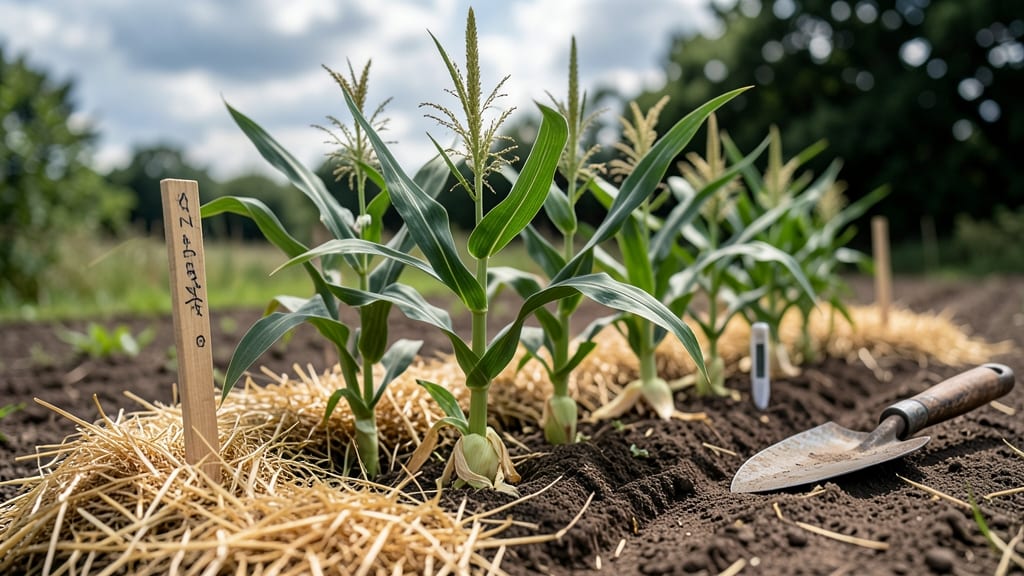
Getting corn planting conditions right requires the perfect balance of soil temperature, moisture, and timing to ensure those first shoots break through with perfect consistency.
Struggling to get your corn seeds to sprout consistently? The secret often lies beneath the surface—in the soil temperature and moisture balance you may be overlooking.
Corn thrives when soil reaches at least 60°F—too cold, and seeds rot; too hot, and they dry out before sprouting. In USDA Zone 6a, that means waiting until after your last frost (usually mid-April) before planting.
Below, I’ll break down the ideal conditions, how to test your soil’s readiness, and the three mistakes that kill germination before it starts.

Ideal soil temperature ranges for corn germination and growth
Getting your corn seeds to sprout reliably starts with understanding the soil temperature requirements at each growth stage. Corn is particularly sensitive to cold soil, which can delay germination or even prevent seeds from sprouting altogether. The right temperature ensures strong roots, faster growth, and healthier plants from day one.
For successful corn cultivation, the soil temperature plays a critical role. Unlike many vegetables, corn seeds won’t germinate well in cold soil—even if the air temperature feels warm. This is why timing your planting based on soil warmth is more important than just following calendar dates.
| Growth Stage | Ideal Soil Temp (°F) | Minimum Viable Temp (°F) | Regional Adjustments |
|---|---|---|---|
| Germination | 60-85°F | 55°F (slow germination) | Wait for consistent warmth; avoid early spring planting in northern zones |
| Seedling Growth | 55-75°F | 50°F (risk of stunting) | Use row covers in cooler regions to maintain warmth |
| Mature Plant Development | 70-90°F | 65°F (slower ear development) | Southern regions may need shade cloth during extreme heat |
| Late Planting (Succession) | 65-80°F | 60°F (reduced yield) | Choose fast-maturing varieties for late summer plantings |
Corn seeds begin germinating when soil reaches 60°F, but the sweet spot for consistent sprouting is 65-85°F. Below 55°F, germination slows dramatically, and seeds may rot before sprouting.
This is why gardeners in USDA Zone 5 or colder often wait until late May or early June to plant.
Once sprouted, young seedlings thrive in 55-75°F soil. However, temperatures below 50°F can stunt root development, leading to weak plants that struggle to support heavy ears later. In northern climates, using black plastic mulch or row covers can raise soil temperatures by 5-10°F, accelerating growth.
For mature corn plants, the ideal soil temperature shifts to 70-90°F during pollination and ear development. This warmth ensures proper kernel formation and prevents blind (empty) ears. In southern regions, afternoon shade may be needed to prevent soil from overheating above 90°F, which stresses plants.
Regional adjustments are key: gardeners in Zone 3-4 should plant after Memorial Day to ensure soil warmth, while those in Zone 7+ can start as early as mid-April. Always test soil temperature with a soil thermometer—never guess based on air temperature alone.
Pro tip: If your soil is too cold, try planting in raised beds or warmth-loving spots near fences/south-facing walls. These microclimates can provide the extra warmth corn craves for optimal germination.
Remember, corn is a warm-season crop—rushing planting because of air temperature often backfires. Patience with soil warmth leads to healthier, more productive plants and a bountiful harvest.
How to test and adjust soil temperature for faster corn sprouting
Corn seeds need warm soil to sprout quickly, but many gardeners plant too early without checking. If your soil stays below 60°F, seeds may rot or fail to germinate. Testing and adjusting soil temperature before planting can double your success rate—here’s how to do it right.
First, understand that corn germination thrives between 60-85°F, but seedlings struggle below 55°F. Cold soil delays sprouting by weeks, leaving your garden vulnerable to pests and weeds. The good news? Simple tools and techniques can raise soil warmth safely and effectively.
- 1 Test soil temperature with a soil thermometer (insert 2-4 inches deep). Aim for 60°F+ for planting.
- 2 Use black plastic mulch to warm soil by 5-10°F. Lay it down 1-2 weeks before planting for best results.
- 3 Cover rows with floating row covers to trap heat during the day and retain warmth at night. Remove during pollination to avoid interfering with tassels.
- 4 Plant in raised beds if your ground soil stays cold. Raised beds warm up 2-3 weeks faster than in-ground plots.
- 5 Monitor daily fluctuations—soil cools rapidly at night. Plant only when temps stay above 60°F for 5+ days in a row.
If your soil is still too cold after trying these methods, consider starting seeds indoors in biodegradable pots. Transplant seedlings when soil reaches 60°F—this gives you a 2-week head start on direct sowing.
Pro tip: Check soil temperature in the late afternoon (2-4 PM) for the most accurate reading. Early mornings can be 10°F cooler than midday, leading to false readings. Consistency is key—corn hates temperature swings, so avoid planting until conditions stabilize.
Once your seeds sprout, maintain soil warmth by keeping beds moist but not soggy. Cold, wet soil can stunt young roots, so mulch lightly with straw to retain heat and moisture without suffocating seedlings.