
Planting
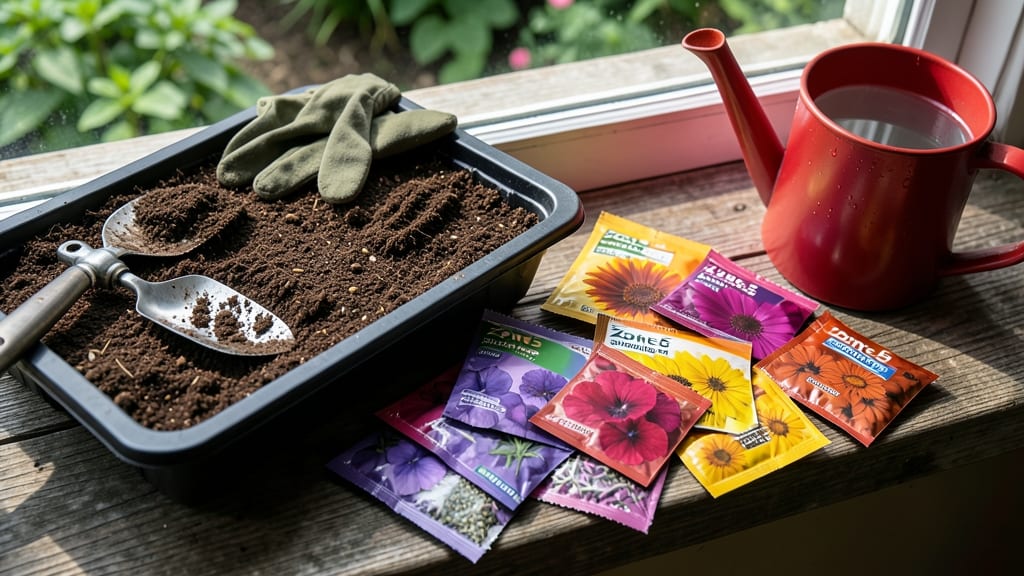
Zone 5 gardeners know the struggle—short seasons and unpredictable frosts make choosing flower seeds a game-changer. 🌱 I’ve grown everything from delicate annuals to tough-as-nails perennials here, and these are the seeds that actually come back year after year without drama.
The key isn’t just picking pretty varieties; it’s matching bloom times, hardiness, and sunlight needs to your climate’s quirks.
Start with cold-hardy annuals like cosmos and snapdragons for easy color, or perennials such as coneflowers and black-eyed Susans that bounce back after frost. Native wildflowers like purple coneflower or bee balm are foolproof—they thrive with minimal fuss and support local pollinators.
For fall planting, try sweet alyssum or calendula; they germinate in cool soil and bloom before winter sets in.
Timing is everything in Zone 5: sow spring-bloomers like marigolds indoors in early March, then transplant after last frost (usually mid-May). For fall, direct-sow hardy varieties like lupines or foxgloves in late summer—they’ll establish roots before winter and surprise you with early spring blooms.
Mulch heavily after planting to insulate roots during temperature swings.
Skip the big-box store seeds—opt for heirloom or organic from reputable sources like Baker Creek, Seed Savers Exchange, or local nurseries. They’re pricier but worth it for disease resistance and better germination.
Pro tip: label everything immediately (trust me, you’ll forget by June). Ready to turn your yard into a four-season showstopper? Let’s get those seeds in the ground.
📚 In This Guide
- What you need
- Instructions
- Tips and common mistakes
- Wrapping up and next steps
What you need
- ● Flower seeds (Zone 5-hardy varieties like Black-eyed Susan, Coneflower, or Russian Sage—check seed packets for cold tolerance).
- ● Seed-starting mix (sterile, well-draining potting soil, 1-2 gallons for indoor starts).
- ● Seed trays or small pots (biodegradable or plastic, 2-4 inches deep, 1-2 per seed type).
- ● Grow lights or sunny windowsill (for indoor starts, 12+ hours of light/day).
- ● Outdoor garden soil (amended with compost for nutrients, 1-2 cubic yards for a small bed).
- ● Watering can or hose (with a gentle spray nozzle for seedlings).
- ● Hand trowel (for planting seeds ¼–½ inch deep).
- ● Gloves (gardening or work gloves to protect hands).
- ● Mulch (straw or shredded leaves, 2–3 inches, to retain moisture and insulate roots).
- ● Plant labels (to track varieties and planting dates).
- ● Seedling heat mat (to speed up germination in cool Zone 5 springs).
- ● Fertilizer (balanced, 10-10-10 or organic options like fish emulsion).
- ● Row covers or cloches (for early-season frost protection).
- ● Knee pad (for comfort during planting!).
How to select and plant cold-hardy flower seeds in Zone 5
Zone 5’s unpredictable frosts demand smart seed choices—here’s how to pick and grow flowers that bounce back year after year.
🌱 Step 1: Choose Frost-Resistant Seed Varieties
Select seeds labeled for Zone 5 or lower—look for cold-hardy annuals like larkspur, sweet peas, and cosmos, or perennials such as black-eyed Susans, coneflowers, and daylilies. These thrive even after light frosts. Avoid tender varieties like impatiens or marigolds unless you’re starting them indoors early.
Check seed packets for days to maturity—plant early bloomers like snapdragons (60-70 days) or hollyhocks (100+ days) 4-6 weeks before your last frost date. I always cross-reference with my local USDA frost chart to avoid late surprises. For perennials, plant seeds in late summer for fall germination—they’ll establish roots before winter.
🌿 Step 2: Prepare Soil and Sow at the Right Time
Test your soil’s pH—most cold-hardy flowers prefer 6.0-7.0. Amend with compost if your soil feels dense or lacks nutrients. I use a broadfork to loosen the top 6-8 inches of soil without disturbing deeper layers, which helps roots penetrate easily.
Sow seeds 1/4 inch deep unless the packet says otherwise (some, like poppies, need light to germinate). Space them 1-2 inches apart—crowding stresses seedlings. Water gently with a fine mist until the soil is evenly moist but not soggy. A soaker hose prevents seed displacement, which is critical for tiny seeds.
☀️ Step 3: Protect Seedlings from Late Frosts
After germination, watch for light frosts (below 32°F). Cover seedlings with frost cloth or row covers at night, securing edges with bricks or stakes. I’ve lost entire batches of sweet peas by forgetting this—don’t skip it. Remove covers by 10 AM to let sunlight warm the plants and prevent overheating.
Thin seedlings to 6-12 inches apart (depending on variety) when they reach 2 inches tall. Use scissors to snip weak stems at soil level—pulling risks disturbing roots. Stronger plants will fill gaps naturally, and you’ll avoid the leggy, weak growth that comes from overcrowding.
⏰ Step 4: Maintain Moisture and Fertility
Water deeply 2-3 times per week once seedlings establish—1 inch of water per week is ideal. Let the top 1-2 inches of soil dry between waterings to prevent fungal diseases like damping-off. I water in the early morning to reduce evaporation and give plants a full day to dry.
Fertilize lightly with a balanced 10-10-10 formula when flowers first appear. Too much nitrogen early on delays blooming. I switch to a low-phosphorus feed (like 5-10-10) once buds form to encourage strong root growth without excessive foliage. Deadhead spent blooms regularly—this redirects energy to new flowers and extends the season.
✂️ Step 5: Overwinter Perennials for Next Year
After the first hard frost, cut back perennial stems to 2-3 inches above the ground. This prevents disease and reduces winter damage from heavy snow. Mulch with 3-4 inches of straw or shredded leaves to insulate roots—Zone 5 winters can drop to -15°F, and mulch keeps soil 10°F warmer underground.
Label your perennials now—by spring, you’ll forget which variety is which. I use biodegradable plant markers with the name and year. In early spring, remove mulch and water lightly to encourage new growth. Most hardy perennials will push through snow, but a little moisture jumpstarts them.
Tips & tricks for perfect cold-hardy flower plantings
These seasoned strategies will help your Zone 5 blooms flourish through frost and thrive for seasons to come.
Variety Selection Wisdom: When choosing seeds, prioritize those with multiple cold-hardiness claims—look for varieties labeled "Zone 3-5" rather than just "Zone 5." I've found that Russian varieties of cosmos and Alaska strains of sweet peas often perform better than standard Zone 5 types, especially in early spring. The extra cold tolerance gives them a head start when other plants lag behind.
Soil Preparation Secret: Before amending your soil, conduct a simple jar test to check drainage: Fill a clean jar with soil and water, then observe how quickly water drains. Cold-hardy flowers need well-draining soil to prevent root rot during winter thaws. If water pools at the bottom, mix in sand or perlite (up to 20% by volume) to improve aeration without compromising nutrient retention.
Timing Strategy for Perennials: For perennial seeds planted in late summer, aim for the 2-3 weeks before your first hard frost—this gives seedlings time to develop roots but avoids the stress of winter germination. I've had excellent results with black-eyed Susans when planted in mid-August in my Zone 5b area, as they establish enough to handle winter's chill. Mark your calendar based on your specific frost dates.
Frost Protection Pro Tip: When using frost cloth or row covers, create a tent shape rather than draping flat—this allows sunlight to penetrate while trapping heat. Secure edges with bricks or landscape pins to prevent wind from lifting covers, which I learned the hard way when my sweet peas were exposed to 28°F temperatures. Also, avoid plastic sheets, which can overheat plants during the day.
Pro Tips for Flower Seeds For Zone 5
- These seasoned strategies will help your Zone 5 blooms flourish through frost and thrive for seasons to come.
- Variety Selection Wisdom: When choosing seeds, prioritize those with multiple cold-hardiness claims—look for varieties labeled "Zone 3-5" rather than just "Zone 5."
- Soil Preparation Secret: Before amending your soil, conduct a simple jar test to check drainage: Fill a clean jar with soil and water, then observe how quickly water drains.
Frequently asked questions
Got questions about growing flower seeds in Zone 5? You’re in the right place! Whether you're a first-time gardener or a seasoned pro, these answers will help you pick the best blooms for your climate and get them thriving. Let’s dive in!
When is the best time to plant flower seeds in Zone 5?
The ideal time depends on the flower type! For cool-season flowers like pansies or sweet alyssum, sow seeds in early spring (March–April) or late summer (August–September) for fall blooms. Warm-season favorites like zinnias or marigolds should wait until after the last frost (mid-May). Always check your seed packet for specifics!
Can I plant flower seeds in Zone 5 in the fall?
Fall planting is a smart move for many cold-hardy annuals and perennials. Seeds like calendula, nasturtiums, and snapdragons germinate well in cooler soil (50–60°F). Aim to plant 6–8 weeks before your first frost (typically late August–early September in Zone 5). Just cover seeds lightly with soil and keep them moist until sprouts appear!
What are the easiest flower seeds to grow in Zone 5?
If you’re new to gardening, start with these low-maintenance, cold-tolerant picks:
- Sweet Alyssum – Fast-growing, fragrant, and thrives in cool weather.
- Pansies – Hardy to light frosts and blooms all season.
- Zinnias – Heat-tolerant once established; great for cutting flowers.
- Marigolds – Pest-repellent and drought-resistant.
- Cosmos – Drought-tolerant and self-seeds easily.
Why aren’t my flower seeds germinating in Zone 5?
Slow or no germination can stem from a few common issues:
- Temperature: Seeds need consistent warmth (or coolness, depending on the type). Use a seedling heat mat if soil temps are too low.
- Moisture: Keep soil evenly moist (not soggy) until sprouts appear. A spray bottle works well for small seeds.
- Depth: Planting too deep can suffocate seeds. Most need only ¼–½ inch of soil coverage.
- Light: Some seeds need light to germinate—check the packet and avoid burying them.
Are there any perennial flower seeds that work well in Zone 5?
Yes! Perennials return year after year, saving you time and money. Try these Zone 5-friendly perennial seeds:
- Black-Eyed Susan – Drought-tolerant and attracts pollinators.
- Coneflower (Echinacea) – Thrives in poor soil and blooms for months.
- Russian Sage – Drought-resistant and fragrant.
- Daylilies – Hardy and come in vibrant colors.
- Lavender – Low-maintenance and loved by bees.
Wrapping up and next steps
Growing flower seeds for Zone 5 is a rewarding way to bring vibrant color and life to your garden, even in colder climates! With the right cold-hardy varieties—like Black-Eyed Susans, Coneflowers, or Russian Sage—you can enjoy stunning blooms year after year with minimal fuss.
Whether you’re a beginner or a seasoned gardener, these resilient flowers prove that beautiful gardens aren’t just for warmer zones.
Ready to get started? Pick your favorite seeds, prep your soil, and plant with confidence! Your garden will thank you—and so will your eyes when those first blooms appear. 🌸