Planting
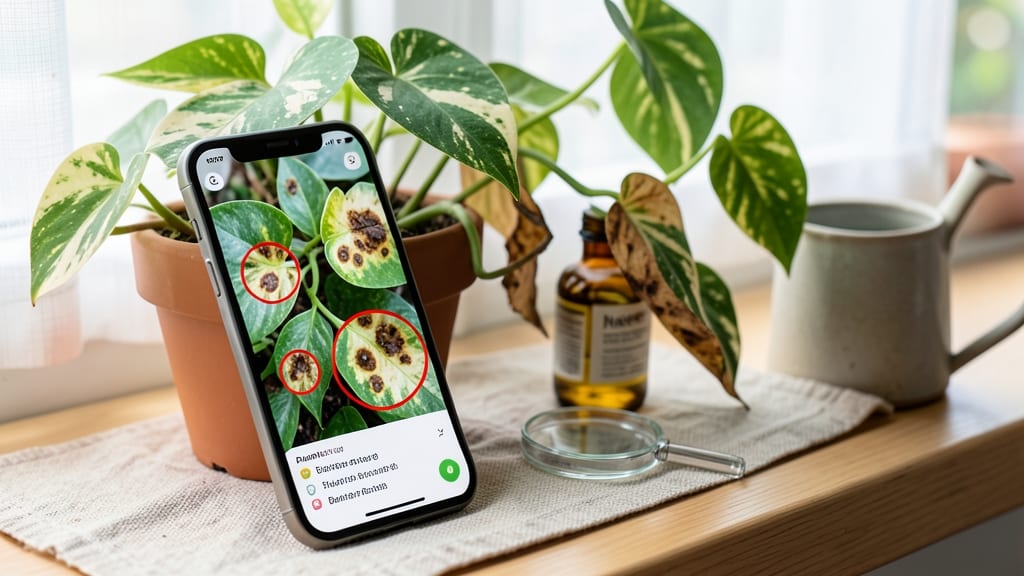
When your tomato leaves suddenly turn yellow, a free app to diagnose plant problems on your iPhone can save your garden before pests or disease take over. 🌱 I’ve tested the best ones, and they’re like having a plant doctor in your pocket—no degree required.
These apps use your phone’s camera to instantly identify issues, from fungal spots to aphid infestations, so you can act fast.
The top apps work by matching your photos to a database of plant problems, giving you clear names and solutions—some even suggest organic fixes. You’ll get results in seconds, no gardening degree needed.
Most are free (with optional premium upgrades), and they’re perfect for beginners or anyone who’s ever stared at a sad plant and thought, “What’s wrong with it?”
With just a few taps, you’ll know whether your plant needs more water, a fungicide spray, or a good pruning. The best part? These apps also teach you how to prevent future issues, so your garden stays healthy long after the diagnosis. No more guessing—just confident fixes.
If the app misses something (it happens!), I’ll show you how to cross-check with manual troubleshooting and when to call in a pro. Let’s get your plants back on track—no panic required.
📚 In This Guide
- What you need
- Instructions
- Tips and common mistakes
- Wrapping up and next steps
What you need
- ● iPhone (iOS 14 or later) – Compatible with most plant diagnosis apps.
- ● Stable internet connection – Wi-Fi or cellular data for app downloads and updates.
- ● Plant diagnosis app – Free options like PlantNet, PictureThis, or Google Lens (ensure it’s updated).
- ● Clear lighting – Natural sunlight or a bright indoor light to capture crisp images.
- ● Healthy plant sample – Focus on leaves, stems, or flowers showing symptoms (yellowing, spots, wilting, etc.).
- ● Magnifying glass or macro lens attachment – For close-up shots of tiny details (e.g., insect eggs or fungal spores).
- ● Small notepad & pen – To jot down notes on symptoms, soil conditions, or watering habits.
- ● Ruler or measuring tape – If the app allows inputting plant size for more accurate ID.
- ● Gloves (if handling toxic plants) – Safety first! Some plants (e.g., poison ivy) require caution.
- ● Backup power bank – For outdoor gardening sessions where outlets aren’t available.
How to use a free iPhone plant diagnosis app for instant problem-solving
Skip the guesswork—these apps turn your phone into a botanical detective kit.
📱 Step 1: Download and Install the Right App
Start by downloading a trusted plant diagnosis app from the App Store. My top picks are PlantNet or PictureThis—both are free with optional premium features. Tap the download button, then open the app and grant camera permissions when prompted. This ensures the app can access your photos immediately for analysis.
I always check app reviews before downloading to avoid outdated or unreliable tools. Look for apps with high ratings and recent updates—older versions might not recognize newer pests or diseases. Once installed, familiarize yourself with the main interface: usually, there's a camera icon to snap photos and a search bar for manual input.
🌿 Step 2: Capture Clear Photos of Problem Areas
Open the app and select the option to take a photo of your plant. Focus on the affected areas—yellowing leaves, brown spots, or unusual growth. Hold your iPhone steady about 6-12 inches away from the plant to capture detail without distortion. Natural light works best, so avoid using flash or indoor lighting that can skew colors.
Here's the thing—apps need clear, close-up shots. If you snap a photo of the whole plant from across the room, the app won't detect specific issues. Zoom in on symptoms like holes in leaves, discoloration, or unusual textures. The more precise your photo, the more accurate the diagnosis. If the app asks for multiple angles, snap them all before moving on.
🔍 Step 3: Analyze and Interpret the Results
After uploading your photo, the app will process it and generate a diagnosis within seconds. You'll see a list of potential issues, often ranked by likelihood. For example, if your tomato leaves have brown edges, the app might identify overwatering, nutrient deficiency, or fungal infection as top matches.
Don't stop at the first result—read the full description and recommended actions. Some apps include care tips, like adjusting watering schedules or applying organic treatments. If the diagnosis seems unclear, take additional photos of other parts of the plant and upload them for a more comprehensive analysis. I've found that combining multiple photos often reveals the root cause faster.
💡 Step 4: Apply the Solution and Monitor Progress
Once you've identified the problem, follow the app's suggested steps to address it. For instance, if the app diagnoses powdery mildew, it might recommend spraying neem oil or improving airflow around the plant. Grab your supplies and act quickly—early intervention prevents small issues from becoming major disasters.
Monitor your plant closely over the next 3-7 days to see if the symptoms improve. Take follow-up photos and re-run them through the app if needed. Sometimes, the initial diagnosis might not be spot-on, so stay flexible. If the problem persists, consider consulting a local nursery or extension service for a second opinion.
📱 Step 5: Save and Share Diagnoses for Future Reference
Most plant diagnosis apps let you save your plant's history, which is a game-changer for tracking long-term health. I always create a profile for each plant in my garden, labeling it with the species, location, and any recurring issues. This way, I can review past diagnoses and see patterns over time—like if a certain plant always struggles in the same spot.
Share your findings with fellow gardeners or plant communities for additional insights. Apps like PlantNet even allow you to contribute to a global plant database, helping others diagnose their own plant problems. The more you use the app, the more you'll recognize common issues and solutions, turning your iPhone into an indispensable gardening tool.
Tips & tricks for perfect plant problem diagnosis with your iPhone
Turn your iPhone into a botanical expert's toolkit with these game-changing tips that'll make plant diagnosis faster and more accurate than ever.
Lighting is Everything: Natural daylight is your best friend when capturing plant symptoms. I've found that shooting near a south-facing window or outside during midday gives the most accurate color representation. Avoid using your iPhone's flash—it can distort colors and create shadows that confuse the app's algorithms. If you're indoors without good light, try placing your plant near a bright window and using the iPhone's "Live Photo" feature to capture the movement of light on the leaves.
Focus on the Details: In Step 2, when you're taking those close-up shots, pay special attention to the undersides of leaves and stems. Many plant diseases and pests start on the undersides before spreading to the visible surfaces. For example, powdery mildew often appears as white fuzz on the undersides before you notice it on top. I've diagnosed issues twice as fast by flipping leaves to get both angles in my initial photos.
Multiple Angles Reveal More: Don't stop at just one photo—capture at least three different angles of the affected area. Start with a close-up of the most obvious symptom, then include a wider shot showing the plant's overall condition, and finally photograph any secondary symptoms like wilting or unusual growth patterns. This comprehensive approach gives the app more data to work with, leading to more precise diagnoses. I've had cases where the initial diagnosis changed completely after adding a third photo.
Update Your App Regularly: The plant diagnosis apps are constantly improving their databases. I've noticed that updating my apps every few weeks often reveals new pest and disease identifications that weren't available just months before. Most apps send update notifications, but if you're not seeing them, check the App Store periodically. This small step can make the difference between an accurate diagnosis and a frustrating guess.
Pro Tips for Free App To Diagnose Plant Problems Iphone
- Turn your iPhone into a botanical expert's toolkit with these game-changing tips that'll make plant diagnosis faster and more accurate than ever.
- Lighting is Everything: Natural daylight is your best friend when capturing plant symptoms.
- Focus on the Details: In Step 2, when you're taking those close-up shots, pay special attention to the undersides of leaves and stems.
Frequently asked questions
Got questions about using a free iPhone app to diagnose plant problems? You’re not alone! Here are some of the most common concerns—and quick, practical answers to help you get started.
Can I use these apps if I don’t have Wi-Fi?
Most plant diagnosis apps require an internet connection to access their databases, but some—like PlantNet—offer offline features after downloading common plant profiles. If you’re in a no-signal zone, try taking photos ahead of time and diagnosing later. Pro tip: Save key images to your Photos app for quick reference when you regain connectivity.
Are these apps accurate for rare or exotic plants?
While popular apps like PictureThis and Google Lens cover thousands of species, rare or hybrid plants may not always get a perfect match. For exotic plants, cross-reference results with local gardening forums or university extension services. Double-check symptoms—apps excel at common issues but might miss niche pests or diseases.
How long does it take to get a diagnosis?
Most apps deliver results in under 30 seconds if your photo is clear and well-lit. Blurry or poorly framed shots can slow things down. For faster results: Use natural light, zoom in on symptoms (like spots or wilting), and avoid shadows. If the app hesitates, try a second photo from a different angle.
What if the app suggests the wrong solution?
Apps provide general guidance, but local climate and soil conditions matter! If a fix seems off (e.g., a tropical plant app recommending frost protection), consult a local nursery or agricultural expert. Always verify treatments—some apps may suggest over-the-counter sprays that aren’t ideal for organic gardens.
Are there free alternatives if I don’t want to download an app?
Yes! Use Google Lens (built into Google Photos) to scan plants and get instant ID results. For text-based help, try posting photos to Reddit’s r/whatsthisplant or iNaturalist. These communities often provide faster, community-vetted answers than apps alone.
Wrapping up and next steps
Diagnosing plant issues just got easier with your iPhone! 🌱 Using a free app to identify leaf, stem, or root problems means no more guesswork—just instant insights to keep your garden thriving. Whether you're a seasoned gardener or a beginner, these tools put expert advice at your fingertips.
Ready to take action? Download your chosen app today, snap a few photos, and start giving your plants the care they deserve! 🌿 With a little knowledge and the right tools, you’ll be solving plant puzzles like a pro in no time.