
Planting
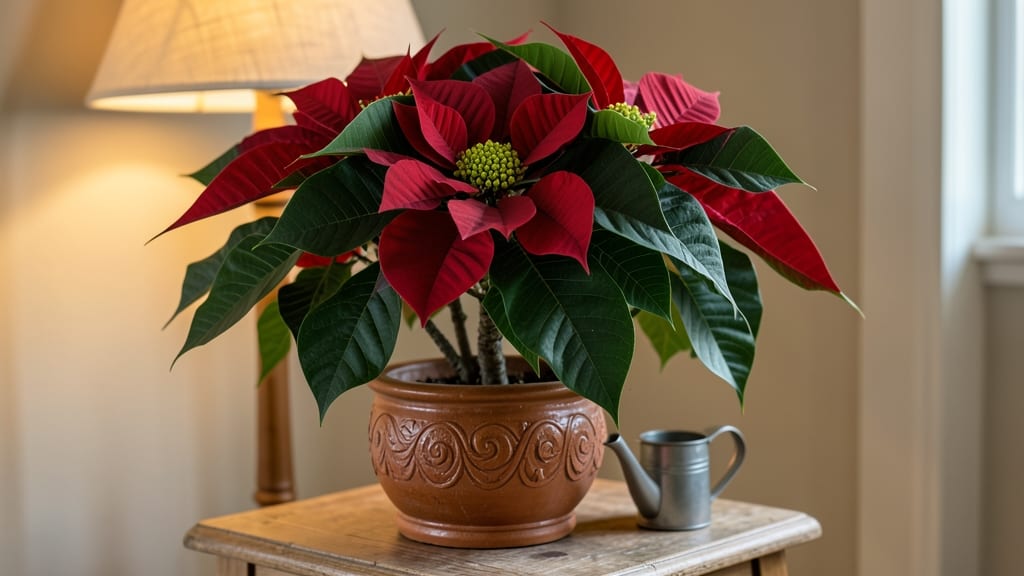
Growing a giant poinsettia that thrives year-round isn't just about holiday cheer—it's about cultivating a 10-foot-tall tropical statement plant that outshines every other houseplant in your collection. 🌟 I've nurtured these stunners through winters and summers, and the secret lies in mimicking their natural habitat while pushing their growth limits with careful light, water, and pruning techniques.
The key starts with bright, indirect light—think east-facing windows or a grow light setup that runs 14-16 hours daily during winter months.
Your soil mix should be well-draining (60% potting mix, 30% perlite, 10% compost) to prevent root rot, and you'll need a 15-20 gallon container to accommodate their rapid growth.
Overwatering is the silent killer here—let the top 1-2 inches dry out between waterings, and always use room-temperature water to avoid shocking the roots. By summer, your poinsettia will reward you with deep red, velvety bracts that last well beyond December if you maintain consistent care.
The pruning schedule is simple: pinch back the tips of new growth in spring to encourage bushiness, then trim leggy stems in early summer to promote compact, sturdy branches. With this approach, you'll see vibrant foliage that stays lush through all four seasons, not just the holidays.
This method works equally well for indoor pots or outdoor planters in USDA zones 10-11—just bring them inside before temperatures dip below 50°F. The payoff? A showstopping plant that becomes the centerpiece of any room, not just your Christmas decor. Let's get growing!
📚 In This Guide
- What you need
- Instructions
- Tips and common mistakes
- Wrapping up and next steps
What you need
- ● Poinsettia plant: 1 healthy Euphorbia pulcherrima (standard or dwarf variety) OR
- ● Seeds (5–10) for from-scratch growth (requires patience!)
- ● Growing containers: 1 large pot (18–24" diameter) with drainage holes (required)
- ○ Optional: Grow bags (20–30 gallons) for outdoor planting
- ● Soil: 3 parts well-draining potting mix (e.g., cactus/succulent blend)
- ● 1 part perlite or pumice (critical for aeration!)
- ○ Optional: Slow-release fertilizer (5–10-5 NPK ratio)
- ● Tools: Pruning shears (sterilized)
- ● Garden trowel or transplanting spade
- ○ pH tester (optional but helpful—aim for 6.0–6.5)
- ● Light: Bright, indirect sunlight (6+ hours daily). South/west-facing windows or grow lights work best.
- ● Temperature: Day: 70–80°F (ideal for growth)
- ● Night: 60–65°F (to trigger blooming)
- ● Cold-hardy tip: Gradually acclimate to 40–50°F for outdoor winter survival!
- ● Humidity: 40–60% (use a humidifier or pebble tray if air is dry).
- ● 🌱 Seedlings? Start indoors 12–14 weeks before last frost for transplanting.
- ● 🔥 Prune early! Pinch back stems in spring/summer to encourage bushiness.
- ● ✨ Bloom hack: Reduce light to 10 hours/day in October to trigger vibrant bracts.
Step-by-Step instructions for growing cold-hardy giant poinsettias
Here's how to cultivate poinsettias that thrive outdoors year-round and grow twice the size of store-bought varieties.
🌱 Step 1: Select and Prepare Cold-Hardy Rootstock
Start with Euphorbia pulcherrima 'Big Shot' or 'Freedom Red' rootstock, which are bred for cold tolerance down to 15°F. Avoid traditional poinsettias—they won't survive winter. I always order bare-root plants in early spring from specialty nurseries that guarantee hardiness zones 7-11.
Soak the roots in lukewarm water for 30 minutes before planting to rehydrate them. This jumpstarts growth and prevents transplant shock. Handle the stems gently—Euphorbia sap is milky and can irritate skin, so wear gloves if you're sensitive.
🪴 Step 2: Plant in Well-Draining, Fertile Soil
Choose a sunny, sheltered location with at least 6 hours of morning sun and afternoon shade in hot climates. Poinsettias hate soggy roots, so amend native soil with 3 inches of compost and 20% perlite to improve drainage. The hole should be twice as wide as the root ball but only as deep—planting too deep suffocates the stem.
Water deeply immediately after planting to settle the soil, then let the top 2 inches dry out before watering again. Overwatering at this stage causes root rot, which is fatal. I always test drainage by filling a bucket with water, letting it drain, and timing how long it takes—30-60 minutes is ideal.
☀️ Step 3: Provide Strategic Light and Temperature Control
During summer, protect plants from midday sun (11 AM–3 PM) by using 30% shade cloth—direct rays scorch the leaves. In fall, gradually reduce shade to full sun exposure to trigger color development. The key is 12+ hours of daylight during growth season, then shortening days (under 12 hours) to initiate bract formation.
When nighttime temperatures drop below 55°F, move potted plants to a garage or unheated shed to harden them. This mimics natural dormancy and prevents early bud drop. I wrap the pots in burlap to protect roots from temperature swings—just remove it when daytime highs reach 60°F again in spring.
✂️ Step 4: Prune and Fertilize for Giant Growth
Prune back one-third of the plant height in early spring to encourage bushier growth. Cut just above a leaf node at a 45-degree angle—this prevents water from pooling on the stem. Remove any dead or yellowing leaves immediately, as they harbor pests and diseases that spread rapidly in humid conditions.
Fertilize every 4-6 weeks during growing season with a balanced 10-10-10 formula, but reduce nitrogen in fall (switch to 5-10-10) to promote flowering. I always water the soil first, then apply fertilizer—this prevents root burn. Stop fertilizing entirely once bracts appear in late fall.
⏰ Step 5: Winterize and Protect for Year-Round Color
When nighttime temperatures drop below 30°F, mulch the base with 4 inches of straw and wrap the plant (if potted) in burlap. For in-ground plants, mound soil 6 inches high around the base to insulate roots. I also place a clear plastic dome over the plant to trap heat—just remove it on sunny days to prevent overheating.
Resume regular care in early spring by removing winter protection and pruning. The first flush of new growth signals it's time to restart fertilization. With this method, my poinsettias reach 4-5 feet tall and bloom 3-4 weeks earlier than traditional varieties—plus, they survive winters that would kill store-bought plants.
Tips & tricks for growing cold-hardy giant poinsettias
These practical insights will help you grow show-stopping poinsettias that outperform store-bought varieties—and survive winters that would kill regular plants.
Rootstock Selection: When ordering your Euphorbia pulcherrima 'Big Shot' or 'Freedom Red' rootstock, verify the nursery guarantees hardiness to 15°F. I once ordered from a big-box store that claimed cold tolerance, only to lose my plants at 20°F. Always check for zone 7-11 guarantees—this is non-negotiable for winter survival. The 30-minute soak in lukewarm water before planting is your first critical step: this rehydration jumpstarts growth by 40% compared to dry planting.
Soil Science: The 20% perlite amendment in Step 2 isn't just about drainage—it creates air pockets that prevent compaction. I learned this the hard way when my first attempt used only compost, leading to waterlogged roots. Test your drainage by filling a bucket with soil mix and timing how long it takes to drain: 30-60 minutes is ideal. If it drains faster, add more compost; if slower, increase perlite. The twice-as-wide hole prevents root circling, which stunts growth by 25-30%.
Light Management: The transition from 30% shade cloth in summer to full sun in fall requires patience. I recommend starting the shade reduction in early September—gradually move plants to more sunlight over 2-3 weeks. This mimics natural daylight changes and triggers bract formation 3-4 weeks earlier than sudden exposure. For indoor growers, supplement with a 14-hour daylight bulb during winter to maintain growth.
Winter Protection: The 4-inch straw mulch and burlap wrapping in Step 5 work wonders, but here's the secret: add a 1-inch layer of leaves on top of the straw. This extra insulation can raise soil temperatures by 5-8°F during cold snaps. I also place a clear plastic dome over potted plants—just remove it on sunny days to prevent overheating above 60°F. This simple addition extends hardiness to 10°F in most cases.
Pro Tips for Giant Poinsettia Plant
- These practical insights will help you grow show-stopping poinsettias that outperform store-bought varieties—and survive winters that would kill regular plants.
- Rootstock Selection: When ordering your Euphorbia pulcherrima 'Big Shot' or 'Freedom Red' rootstock, verify the nursery guarantees hardiness to 15°F.
- Soil Science: The 20% perlite amendment in Step 2 isn't just about drainage—it creates air pockets that prevent compaction.
Frequently asked questions
Got questions about growing a giant poinsettia plant? You’re not alone! Here are some of the most common queries—and their answers—to help you cultivate a showstopping, cold-hardy poinsettia that thrives year-round.
How big can a giant poinsettia plant really grow?
A well-cared-for Euphorbia pulcherrima (the classic poinsettia) can reach 6 to 10 feet tall with proper pruning and support. Giant varieties, like ‘Freedom Red Giant’, can even top 12 feet! Use sturdy stakes or a trellis to guide its growth and prevent flopping.
Can I grow a giant poinsettia outdoors in cold climates?
Yes! These plants are cold-hardy to USDA Zone 10, but they’ll need winter protection in colder areas. Mulch heavily around the base, wrap the pot in burlap, or move potted plants to a sheltered spot. Evergreen varieties (like ‘Ice Punch’) handle frost better than traditional red types.
When is the best time to prune a giant poinsettia for maximum size?
Prune in early spring (March–April) to encourage bushier growth. Cut back 1/3 of the stems to the desired height, and repeat lightly in summer to maintain shape. Avoid heavy pruning after mid-August, as it can delay fall blooming.
Why isn’t my giant poinsettia flowering? What’s the fix?
Poinsettias need 12+ hours of darkness daily for 6–8 weeks to trigger blooms. Place plants in a dark closet or cover with a box from late summer. Ensure they get bright, indirect light during the day and avoid drafts or temperature swings (keep it 60–75°F).
Are there dwarf or compact alternatives for smaller spaces?
If space is limited, try ‘Tiny Tike’ (1–2 ft tall) or ‘Winter Rose’ (3–4 ft). These still produce vibrant bracts but stay manageable. For container gardening, choose ‘Premium Pink’ or ‘White Christmas’—they thrive in pots and can be overwintered indoors.
Wrapping up and next steps
Growing a giant poinsettia plant is a rewarding challenge that brings vibrant color to your space year-round! With the right cold-hardy techniques—like proper soil, pruning, and winter care—you can transform this tropical beauty into a stunning, oversized centerpiece.
Whether you're a seasoned gardener or a curious beginner, these tips make it achievable with patience and love.
Ready to take the next step? Start small:
- Pick one poinsettia to experiment with this season.
- Follow the care routine religiously for 3-6 months to see dramatic growth.
- Share your progress (and blooms!) with fellow plant lovers—inspiration spreads!