
Planting
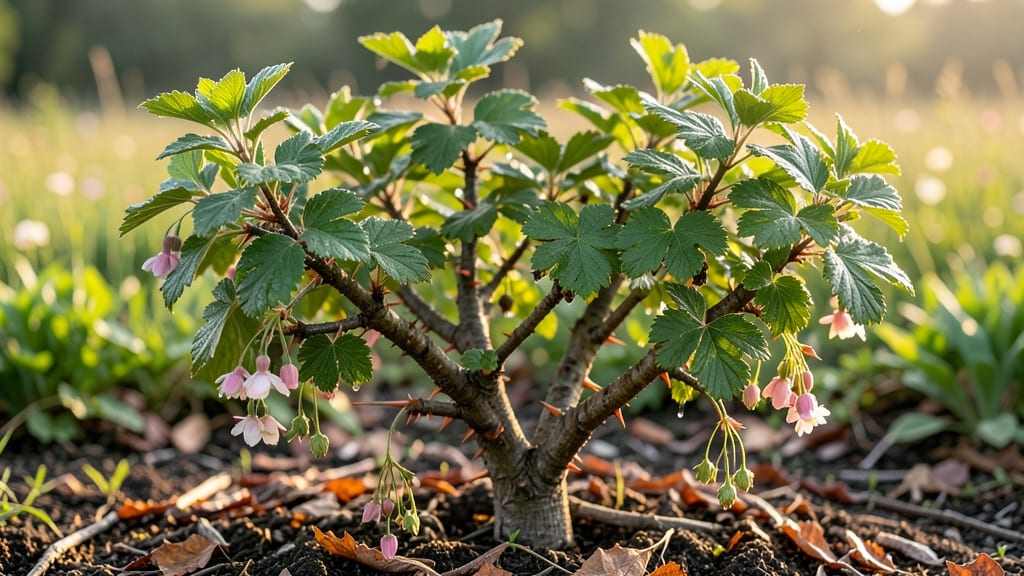
That delicate gooseberry plant flower might look fragile, but it’s the secret to your harvest’s success. 🌸 Every spring, their clusters of bell-shaped blossoms transform into the tart berries we love—but only if you understand their needs.
The flowers appear in early spring, just as new leaves unfurl, and their sweet fragrance draws in bees and other pollinators.
To encourage more blooms, prune last year’s growth back by one-third in late winter. This opens up the plant to sunlight, which is key for flower production.
Gooseberries thrive in full sun to partial shade, so if your plant is in a shady spot, move it or add a reflective surface nearby. The more flowers you see, the more berries you’ll get—just don’t expect perfection the first year.
Watch for Japanese beetles or spider mites, which can devour the flowers before they set fruit. A strong spray of water or neem oil usually keeps them away. If your plant skips flowering, it might be too young, over-fertilized, or stressed by drought.
A balanced 10-10-10 fertilizer in early spring gives them just the right boost without overdoing it.
Once the flowers fade, tiny green berries will form—this is when the real magic happens. With the right care, your gooseberry bush will reward you with pounds of fruit by midsummer.
The key is patience: these plants take a few years to fully mature, but the wait is worth it for those fragrant blooms and the sweet-tart berries they produce.
📚 In This Guide
- What you need
- Instructions
- Tips and common mistakes
- Wrapping up and next steps
What you need
- ● Gooseberry plant: Choose between: Seeds (requires patience—germination can take 3–6 weeks)
- ● Young plants (1–2 years old, available at nurseries or online)
- ● Cuttings (from an established gooseberry bush, ~6–8 inches long)
- ● Well-draining soil: A mix of 60% topsoil, 30% compost, and 10% perlite or sand (pH 5.5–6.5 is ideal).
- ● Sunlight: A spot with 6–8 hours of full sun daily (partial shade works in hot climates).
- ● Watering can or hose: With a gentle spray nozzle (gooseberries hate soggy roots!).
- ● Fertilizer: Balanced 10-10-10 NPK or organic options like composted manure or fish emulsion.
- ● Garden trowel or spade (for digging holes, ~12–18 inches deep).
- ● Pruning shears (sterilized with rubbing alcohol to prevent disease).
- ● Mulch (straw, wood chips, or shredded leaves to retain moisture).
- ○ Trellis or stakes (optional but helpful—gooseberry bushes can grow 4–6 feet tall!).
- ● Pollinator-friendly plants (e.g., lavender, bee balm) to boost flower production.
- ● Pest control: Neem oil or insecticidal soap (for aphids or spider mites).
How to care for gooseberry plant flowers for maximum blooms
Here's how to nurture those fragrant purple flowers into a bountiful harvest.
🌿 Step 1: Prune Last Year's Growth to Encourage New Blooms
Gooseberries flower on last year's wood, so timing matters. In late winter or early spring, before buds swell, remove any dead, diseased, or crossing branches with clean pruning shears. I cut back to an outward-facing bud to open the center of the plant for better airflow and sunlight—this prevents fungal issues that can rot blooms before they open.
Look for branches thicker than a pencil; these are your fruit-bearing wood. Thin them so light reaches the center. You'll see new growth emerge from the base within weeks, signaling your plant is ready to focus energy on flowers instead of struggling branches.
☀️ Step 2: Position for Sunlight and Shelter
Gooseberry flowers need full sun to partial shade—at least 6 hours of direct sunlight daily—but they also appreciate afternoon shade in hot climates. I plant mine where they get morning sun and afternoon dappled shade from nearby trees. This balance keeps flowers from scorching while ensuring enough light for pollinators to visit.
Shelter from strong winds too—those delicate purple blooms can get battered, and damaged flowers won't set fruit. A fence or other plants can break the wind without blocking sunlight. Watch for leaves curling or flowers wilting in hot afternoons; that's your cue to provide afternoon shade.
💧 Step 3: Water Deeply During Flowering Season
Gooseberries need consistent moisture during flowering, but soggy soil invites root rot. Water deeply once a week during dry spells, aiming for 1 inch of water per week. I check by sticking my finger 2 inches into the soil—if it's dry, it's time to water. Early morning is best to let foliage dry before evening, reducing fungal risks.
Mulch around the base with 2-3 inches of organic mulch (like shredded bark) to retain moisture and regulate soil temperature. Keep mulch 2 inches away from the stem to prevent rot. You'll notice flowers lasting longer and fewer dropping off prematurely when moisture is steady.
🐝 Step 4: Attract Pollinators for Better Fruit Set
Gooseberry flowers are fragrant and beautiful, but they need pollinators like bees and butterflies. Plant companion flowers nearby—lavender, thyme, or marigolds—to draw them in. Avoid pesticides during bloom time, and if you must treat for pests, do it in the evening when pollinators are less active.
Gently shake the branches on calm days to help pollen transfer if pollinators are scarce. I also hand-pollinate a few flowers with a soft paintbrush if rain washes away bees. You'll know it's working when flowers start forming tiny green berries within 2-3 weeks of blooming.
✂️ Step 5: Deadhead Spent Blooms for Continuous Production
After flowers fade but before fruit sets, snip off spent blooms with clean shears. This redirects the plant's energy to new flowers instead of seed production. I leave the first few blooms to set fruit—gooseberries develop slowly, and removing all flowers at once can reduce your harvest.
Watch for berries forming; once they're pea-sized, stop deadheading. You'll see a second flush of flowers appear within 3-4 weeks, especially if you've kept the plant well-watered and pruned properly. This second bloom often produces smaller but still delicious fruit.
Tips & tricks for perfect gooseberry blooms
Here's what nobody tells you about maximizing those fragrant purple blooms—these tricks will transform your harvest.
Pruning Precision: When you're pruning in Step 1, focus on removing branches that cross or grow inward—they create shaded areas where fungal spores thrive. I like to make cuts just above an outward-facing bud, about the size of a pencil's diameter, to encourage strong new growth. This isn't just about aesthetics; it's about creating an open canopy that lets sunlight reach every flower cluster. After pruning, give your plant a light feeding with balanced fertilizer to support the new growth you're encouraging.
Sunlight Strategy: The 6 hours of direct sunlight in Step 2 is non-negotiable, but here's the secret: position your gooseberry bush where it gets morning sun and afternoon shade. I've found that eastern exposures work beautifully—morning light jumpstarts photosynthesis while afternoon shade prevents scorching. If you're in a hot climate, watch for leaves curling at midday; that's your plant's way of saying it needs more shade. A simple solution is to drape lightweight shade cloth over half the bush during peak sun hours.
Watering Wisdom: That 1-inch weekly watering guideline in Step 3 is perfect, but timing matters just as much. I water deeply in the morning so the foliage has all day to dry, which dramatically reduces fungal risks. The 2-inch soil check is brilliant—it tells you exactly when your plant needs moisture without overwatering. Pro tip: If you're using a drip irrigation system, set it to deliver water slowly over 20-30 minutes rather than all at once. This mimics natural rainfall and prevents soil compaction around the roots.
Pollinator Power-Up: For Step 4, don't just plant companion flowers—create a pollinator highway! I've seen dramatic increases in fruit set when I plant lavender in a border around my gooseberry bush, with thyme ground cover underneath. The key is to have blooms at different heights and stages of flowering so pollinators always have fresh nectar. And that hand-pollination trick with a soft paintbrush? It's a game-changer on rainy days when bees stay home. Just dip the brush in water first to help pollen stick better.
Pro Tips for Gooseberry Plant Flower
- Here's what nobody tells you about maximizing those fragrant purple blooms—these tricks will transform your harvest.
- Pruning Precision: When you're pruning in Step 1, focus on removing branches that cross or grow inward—they create shaded areas where fungal spores thrive.
- Sunlight Strategy: The 6 hours of direct sunlight in Step 2 is non-negotiable, but here's the secret: position your gooseberry bush where it gets morning sun and afternoon shade.
Frequently asked questions
Got questions about those stunning gooseberry plant flowers? You're not alone! Here are some of the most common queries—and their answers—to help you grow and enjoy your gooseberry bushes with confidence.
When do gooseberry flowers bloom, and how long do they last?
Gooseberry flowers typically bloom in late spring to early summer (April–June in most U.S. zones), depending on your climate. Each flower lasts just 2–4 days, but new buds open daily for 3–4 weeks, creating a continuous display. Early morning is the best time to admire their fragrance—bees love them too!
Why aren’t bees visiting my gooseberry flowers?
If bees are scarce, check these fixes:
- Timing: Flowers may be too early (cold snaps delay pollinators).
- Location: Plant near other bee-friendly flowers (e.g., lavender, clover).
- Pesticides: Avoid sprays during bloom—neonicotinoids harm pollinators.
- Hand-pollinate: Gently shake branches on calm days to spread pollen.
Pro tip: If bees still skip your bush, try a small fan near flowers to mimic wind pollination!
How do I know if my gooseberry plant will produce fruit this year?
Fruit depends on successful pollination and healthy flowers. Look for:
- Plenty of open blooms (more = better chances).
- Visible bee activity (or self-pollination if isolated).
- Green berries forming 4–6 weeks after flowering.
If flowers drop without fruit, try hand-pollinating or adding a second bush nearby (gooseberries are self-fertile but thrive with cross-pollination).
Can I eat gooseberry flowers, or are they just for show?
While edible, gooseberry flowers are rarely used in cooking—they’re bitter and best left for pollinators! However, you can:
- Garnish desserts (sparingly, like elderflowers).
- Make tea (steep 2–3 flowers in hot water for a floral, astringent brew).
- Dye fabrics (yields soft yellow-green hues).
Warning: Avoid if allergic to Ribes species (some cause skin irritation).
What should I do if my gooseberry flowers turn brown or wilt?
Brown/wilted flowers often signal:
- Underwatering (gooseberries need 1–1.5 inches of water weekly).
- Fungal issues (powdery mildew thrives in humid conditions).
- Pests (aphids or spider mites suck sap, causing stress).
- Heat stress (afternoon wilting in extreme heat is normal—water deeply in the morning).
Quick fix: Prune affected flowers to redirect energy to healthy growth. For mildew, apply neem oil or copper spray.
Wrapping up and next steps
Growing gooseberry plants with their stunning fragrant purple flowers is a rewarding experience that benefits both your garden and local pollinators! 🐝 From selecting the right variety to nurturing them with care, every step brings you closer to a thriving, bountiful harvest.
Whether you're a seasoned gardener or just starting out, the key is patience and attention to their unique needs.
Now that you’re armed with tips and answers, roll up your sleeves and get planting! Start small—perhaps with a single bush—and watch as your garden transforms into a haven for beauty, flavor, and wildlife. Happy gardening! 🌱