
Planting
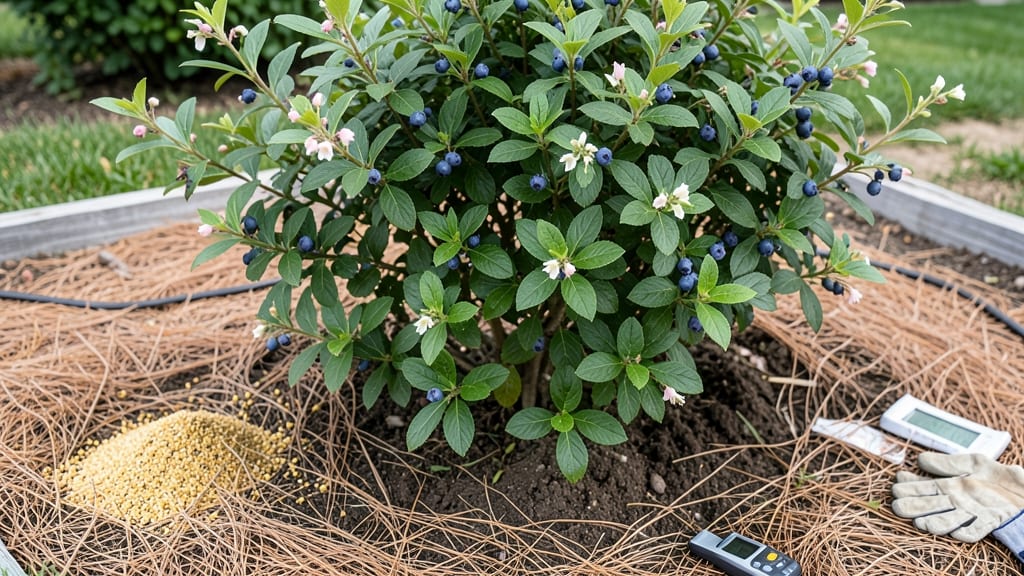
Growing blueberries in Iowa means choosing varieties that thrive in your state's brutal winters and alkaline soil—like Top Hat or Bluecrop—that deliver sweet harvests year after year. 🌱 I learned the hard way that regular grocery-store blueberries can't compete with homegrown ones, especially when you pick them at peak ripeness.
The key? Matching the right plants to Iowa's climate challenges.
Start with soil that's acidic (pH 4.5-5.5), because Iowa's naturally alkaline dirt will stunt your bushes without amendments like sulfur or peat moss. Plant in spring when the ground thaws, spacing bushes 4-6 feet apart to give them room to spread.
Mulch heavily with pine needles to keep roots cool and retain moisture—this is non-negotiable in Iowa's hot summers.
By next summer, you'll have lush bushes producing clusters of deep blue berries that burst with flavor. The first harvest might be small, but each year they'll get bigger and more reliable.
You'll skip the $5 per pint at the store and enjoy fresh blueberries for pies, smoothies, or just snacking straight from the bush.
Iowa's biggest hurdles—winter dieback and fungal diseases—can be managed with proper spacing, mulching, and choosing disease-resistant varieties. Once established, these bushes need minimal care beyond regular watering and occasional pruning. The payoff? Homegrown blueberries that taste like summer, even in Iowa's challenging climate.
📚 In This Guide
- What you need
- Instructions
- Tips and common mistakes
- Wrapping up and next steps
What you need
- ● Blueberry plants: Choose cold-hardy varieties like 'Bluecrop,' 'Jersey,' or 'Patriot' (low-chill types work best in Iowa). Buy 3–5 plants (mix of highbush and rabbiteye for pollination).
- ● Well-draining soil: Acidic soil (pH 4.5–5.5)—test with a blank">soil kit and amend with peat moss or sulfur if needed.
- ● Compost: 5–10 gallons per plant for organic matter and nutrients.
- ● Mulch: 3–4 inches of pine bark or wood chips (avoid cedar—it’s toxic!).
- ● Fertilizer: Acid-loving plant fertilizer (e.g., blank">Miracle-Gro Azalea/Camellia) or cottonseed meal (5 lbs per 100 sq ft).
- ● Drip irrigation or soaker hose: 10–15 ft per plant for consistent moisture.
- ● Pruners: Bypass pruners (sterilized with rubbing alcohol).
- ● Gloves & long sleeves: Protect against thorns and sap.
- ● Row covers: Protect young plants from late frosts (frost cloth or floating row covers).
- ● Bird netting: Save your harvest from hungry critters!
- ● pH test strips: Monitor soil acidity regularly.
- ● Organic fungicide: (e.g., Neem oil) for powdery mildew prevention.
- ● Trellis or stakes: Support plants as they grow (especially for rabbiteye varieties).
Step-by-step instructions for planting blueberries in Iowa
Iowa’s climate challenges traditional blueberry growing—but these cold-hardy varieties thrive with the right approach.
🌱 Step 1: Select Cold-Hardy Varieties for Iowa
Choose northern highbush varieties like 'Bluecrop' or 'Patriot'—they survive Iowa winters down to -20°F without protection. Southern highbush types (like 'Rabbiteye') won’t make it through our harsh winters. I always check the USDA Plant Hardiness Zone map to confirm Zone 4-5 compatibility.
Buy bare-root plants from reputable nurseries in early spring. Avoid container-grown plants—they often have root-bound systems that struggle in Iowa’s heavy clay soil. Look for 1-2 year old plants with multiple canes; they establish faster and produce fruit sooner.
🪴 Step 2: Prepare Acidic Soil and Planting Site
Blueberries demand soil pH between 4.5 and 5.5—Iowa’s native soil is far too alkaline. Mix 3-4 inches of peat moss into the planting hole to lower pH. I also add a handful of sulfur (follow package rates) to the backfill soil. Test your soil’s pH before planting—most Iowa gardens start at 7.0 or higher.
Plant in full sun (6+ hours daily) with well-draining soil. Avoid low spots where water pools—blueberry roots rot easily. If your yard has heavy clay, amend the entire planting area with composted pine bark to improve drainage. Space plants 5-6 feet apart in rows 8 feet apart for air circulation.
☀️ Step 3: Plant and Mulch for Winter Protection
Dig a hole twice as wide as the root ball but no deeper. Position the plant so the graft union (if present) sits 1-2 inches above soil level. Backfill with amended soil, tamping gently to remove air pockets. Water deeply to settle roots—you’ll know it’s right when water drains within 30 minutes.
Apply 3-4 inches of pine bark mulch around the base, keeping it 3 inches away from the stem. This mulch stays acidic and insulates roots during Iowa winters. In extreme winters (below -15°F), add a 2-3 inch layer of straw over the mulch for extra protection. Avoid grass clippings—they raise pH over time.
💧 Step 4: Water and Fertilize for First Two Years
Water deeply once a week during the first growing season—blueberries hate drought stress. You’ll know it’s enough when top 6 inches of soil stay moist but not soggy. In Iowa’s heat (July-August), increase to twice weekly unless rain falls. Drip irrigation works best—it delivers water directly to roots without wetting leaves (which reduces disease).
Skip nitrogen-heavy fertilizers—they burn roots. Instead, use acid-loving plant fertilizer (like 7-7-7 NPK) in early spring and late summer. I apply ½ teaspoon per plant following package instructions. Over-fertilizing leads to leafy growth but no fruit—blueberries need balance.
✂️ Step 5: Prune and Protect for Long-Term Success
Prune in late winter (February-March) before buds swell. Remove dead, diseased, or crossing branches first. Then cut back last year’s growth by ⅓ to encourage new canes. You’ll see fruit buds along the current year’s growth—never prune those off. Thin crowded canes to improve airflow and reduce fungal risks.
In Iowa’s harsh winters, wrap young plants with burlap if temperatures drop below -10°F for extended periods. Older bushes handle cold better, but a light dusting of mulch in early spring prevents early thaw damage. Watch for blueberry maggot flies in summer—use row covers or organic sprays if you spot infestations.
Tips & tricks for growing cold-hardy blueberries in Iowa
Real talk: Iowa’s climate makes blueberry growing a challenge—but these tricks will help you beat the odds and get that sweet harvest.
Variety Selection Wisdom: When choosing between 'Bluecrop' and 'Patriot', consider your specific winter patterns. 'Bluecrop' handles Iowa's deep freezes better, while 'Patriot' ripens slightly earlier. I've found that planting both varieties creates staggered harvests—when one starts fruiting, the other is still developing, giving you berries for weeks. Always verify your exact microclimate using the USDA Plant Hardiness Zone map—some northern Iowa areas dip below -20°F, while southern regions might only hit -15°F.
Soil Preparation Strategy: Don't just test your soil's pH once—test it again after amending with peat moss and sulfur. Iowa's clay soil can lock in moisture and prevent pH adjustment. I recommend mixing 50% composted pine bark with your native soil in the planting hole to improve drainage while maintaining acidity. The key is creating that perfect 4.5-5.5 pH range—any higher and your plants won't absorb nutrients properly, leading to poor growth and fruit production.
Winter Protection Game-Changer: For those brutal Iowa winters below -15°F, I've had the most success with a two-layer protection system. First, wrap the entire plant (including the mulch) with burlap secured with twine. Then, add 12 inches of straw around the base—this creates an insulating air pocket that prevents frost penetration. The straw also helps prevent soil heaving during freeze-thaw cycles, which can damage roots. Remember to remove the burlap in early spring once temperatures stabilize above freezing.
Watering Technique: The 30-minute drainage test after planting is crucial—if water pools, your blueberries will develop root rot. For established plants, I've switched to drip irrigation on timers set for early morning watering. This prevents fungal diseases that thrive in wet foliage. During Iowa's hot summers, watering twice weekly is essential, but always check the top 6 inches of soil first—blueberries prefer consistent moisture without becoming waterlogged.
Pro Tips for Growing Blueberries In Iowa
- Real talk: Iowa’s climate makes blueberry growing a challenge—but these tricks will help you beat the odds and get that sweet harvest.
- Variety Selection Wisdom: When choosing between 'Bluecrop' and 'Patriot', consider your specific winter patterns.
- Soil Preparation Strategy: Don't just test your soil's pH once—test it again after amending with peat moss and sulfur.
Frequently asked questions
Got questions about growing blueberries in Iowa’s unique climate? You’re not alone! Here are answers to the most common queries to help you cultivate a thriving blueberry patch.
What are the best blueberry varieties for Iowa’s cold winters?
Opt for cold-hardy varieties like ‘Bluecrop’ (zones 3-7), ‘Duke’ (zones 4-8), or ‘Jersey’ (zones 3-6). These thrive in Iowa’s winters (down to -25°F/-32°C) and produce sweet, high-yield berries. Check the full list in our guide!
When is the best time to plant blueberries in Iowa?
Plant in early spring (March–April) or fall (September–October) for optimal root establishment. Avoid extreme heat or frost—bare-root plants need time to acclimate. Pro tip: Soak roots in water for 2–4 hours before planting!
Can I grow blueberries in containers in Iowa?
Use 10–15 gallon pots with acidic soil (pH 4.5–5.5) and drainage holes. Dwarf varieties like ‘Top Hat’ work well. Place containers in full sun and fertilize monthly with an acid-loving plant mix. Perfect for patios or small spaces!
Why aren’t my blueberry bushes producing berries?
Common causes: lack of pollination (plant 2+ varieties), wrong soil pH (test and amend with sulfur), or young plants (blueberries take 2–3 years to fruit). Fix it: Hand-pollinate with a paintbrush or add organic mulch to retain acidity.
Do blueberries need cross-pollination in Iowa?
Yes! Most varieties are self-pollinating but produce more berries with help. Plant two different varieties (e.g., ‘Bluecrop’ + ‘Patriot’) within 50 feet for better yields. Bees love them—just ensure they’re blooming at the same time!
Wrapping up and next steps
Growing blueberries in Iowa is absolutely doable—even with the state’s chilly winters! 🌱 By choosing cold-hardy varieties like Patriot or Bluecrop, preparing acidic soil, and providing consistent care, you’ll soon enjoy a homegrown harvest bursting with flavor. The key? Patience, preparation, and a little love for your bushes.
Ready to dive in? Start small—plant a few bushes this season and watch your garden transform into a blueberry paradise. Your future self (and your taste buds) will thank you! 🍇✨