
Planting
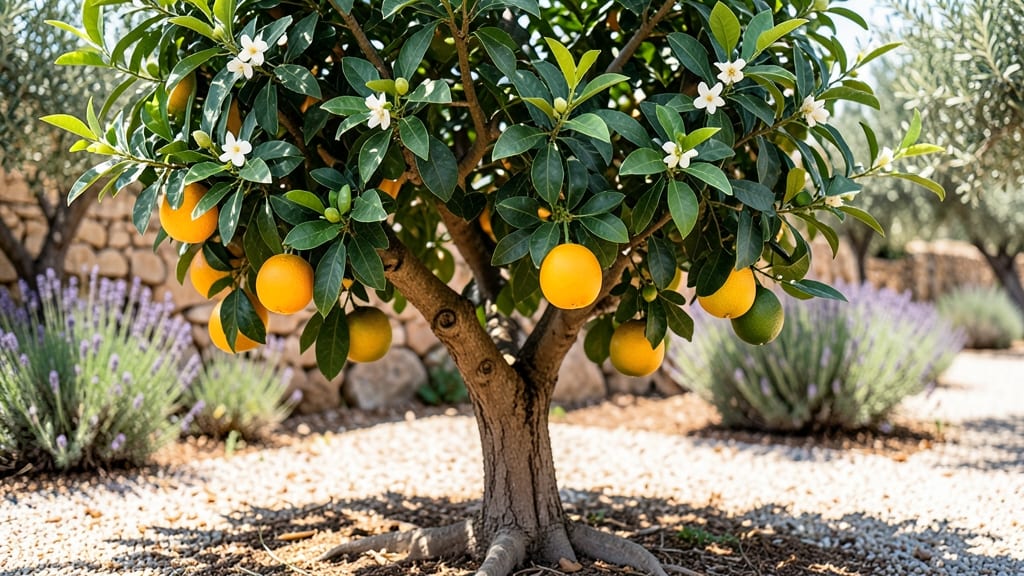
Your garden thrives where others wilt—Hardiness Zones 9 and 10 offer year-round growing magic, but choosing the right perennials makes all the difference. 🌿 I’ve learned the hard way that not all heat-lovers are created equal: some plants sizzle under the sun while others fade by midday.
The secret lies in matching drought-tolerant varieties to your microclimates—whether that’s a shady corner or a full-sun patio.
Think salvia, bougainvillea, and agave—plants that don’t just survive but explode with color through winter. My favorite? Lantana—it blooms nonstop, hummingbirds adore it, and it laughs at droughts.
The key is mulching deeply (3–4 inches) to lock in moisture and planting in well-draining soil—sandy or amended with compost—to keep roots happy. Even in Zone 10’s humidity, the right plants stay lush while others struggle.
You’ll end up with a garden that’s vibrant year-round, needing less water and fuss than most. Picture purple plumbago cascading over trellises in summer, then shrimp plants flushing pink in winter—all while your neighbors’ gardens brown out.
The best part? These perennials multiply over time, giving you free plants to share or expand your borders. Let’s pick the winners for your climate!
Microclimates matter—southern slopes stay warmer than shady spots, and coastal areas get salt spray. I’ve seen yucca thrive in full sun near the ocean while wilting inland.
Adjust by grouping plants with similar needs: succulents together, moisture-lovers near drip lines. Zone maps are a start, but your yard’s quirks are the real guide.
📚 In This Guide
- What you need
- Instructions
- Tips and common mistakes
- Wrapping up and next steps
What you need
- ● Perennial plants: 5–10 mature plants (e.g., Agave, Yucca, Plumbago, or Salvia)—choose drought-tolerant varieties for Zones 9/10.
- ● High-quality potting soil: 1–2 cubic yards (or 10–20 bags) of well-draining, native soil mix (avoid heavy clay).
- ● Organic mulch: 2–3 inches of cedar chips or gravel to retain moisture and suppress weeds.
- ● Drip irrigation system: 50–100 ft of 1/4-inch tubing + emitters (Zone 9/10 plants often need deep but infrequent watering).
- ● Garden gloves & kneeling pad: 1 pair + 1 pad (for comfort during planting/seeding).
- ● Hand trowel: 1 (for precision planting in rocky or compacted soil).
- ● Pruning shears: 1 pair (bypass blades for clean cuts).
- ● Wheelbarrow: 1 (for hauling soil/mulch).
- ○ Soil pH test kit: 1 (optional but helpful—aim for 6.0–7.0 for most perennials).
- ● Slow-release fertilizer: 10–20 lbs (e.g., osmocote for 3–4 month release).
- ● Shade cloth: 30% coverage (for seedlings or heat-sensitive plants).
- ● Decorative rocks/gravel: 1–2 bags (for a polished, drought-resistant look).
- ● Plant markers: 10–20 (to track varieties in a mixed border).
Step-by-Step guide to selecting and planting year-round perennials for Zones 9 & 10
Here’s how to build a vibrant, low-maintenance garden that blooms across seasons—no seasonal replanting required.
🌱 Step 1: Choose Perennials That Thrive in Zones 9 & 10
Focus on plants that naturally handle your climate’s mild winters and hot, dry summers. Start with evergreen perennials like Lantana (drought-tolerant and blooms spring to frost) or Salvia (heat-loving with striking foliage). For winter interest, Agave and Yucca add architectural texture without needing protection. I always cross-check the USDA Hardiness Zone Map—look for plants rated Zone 9-11 to ensure they’ll survive your coldest nights.
For year-round color, layer spring bloomers (like Plumbago) with summer-fall stars (such as Gaillardia or Zinnia). Avoid frost-sensitive plants like Tulips or Dahlias, which need digging up in winter. Instead, opt for native plants like Blackfoot Daisy or Mexican Bush Sage—they’re already adapted to your conditions and require less fuss.
☀️ Step 2: Plan for Sun Exposure and Soil Drainage
Most Zone 9-10 perennials crave full sun (6+ hours daily), but a few, like Fuchsia or Heuchera, tolerate part shade. Map your garden’s sun patterns—morning sun is gentler than afternoon heat, so place heat-sensitive plants (like Lavender) where they get morning light and afternoon shade. I sketch my garden layout to visualize how shadows shift throughout the day.
Drainage is critical—clay-heavy soils common in these zones can suffocate roots. Amend planting areas with 3-4 inches of compost or sand to improve aeration. Test your soil’s pH too; 6.0-7.0 is ideal for most perennials. If your soil is alkaline (common in Zone 10), add sulfur or peat moss to lower pH for acid-lovers like Hydrangeas or Azaleas.
🪴 Step 3: Plant at the Right Time for Year-Round Success
In Zones 9-10, fall planting (October-November) is ideal—cooler temps and winter rains help roots establish before summer heat arrives. Dig holes twice as wide as the root ball but only as deep—planting too deep can strangle stems. Gently loosen roots if they’re circling and backfill with a mix of native soil and compost (50/50 ratio). Water deeply right after planting to eliminate air pockets.
For spring planting, wait until after the last frost (usually late February-March in Zone 9, January-February in Zone 10). Mulch with 2-3 inches of wood chips or straw to retain moisture and regulate soil temperature. Avoid fresh mulch touching stems—it can cause rot. I always water newly planted perennials once a week for the first month, then taper off as they establish.
💧 Step 4: Water and Fertilize for Climate-Resilient Growth
Deep watering once a week (or more in 100°F+ heat) encourages strong root systems. Use drip irrigation or soaker hoses to deliver water at the base—early morning is best to reduce evaporation and fungal risks. Most Zone 9-10 perennials are drought-tolerant once established, but newly planted or container-grown specimens need consistent moisture until roots spread.
Fertilize lightly—too much nitrogen leads to weak stems and fewer blooms. I use a balanced, slow-release fertilizer (10-10-10) in early spring and again after flowering. For succulents and cacti, skip fertilizer entirely—overfeeding causes soft, vulnerable growth. Always water before fertilizing to prevent root burn.
✂️ Step 5: Prune and Maintain for Long-Term Vibrancy
Deadhead spent blooms regularly to encourage continuous flowering—Lantana and Gaillardia reward this with nonstop color. Prune leggy growth in early spring to promote bushier, stronger plants. For grasses like Muhly or Fountain Grass, cut back brown fronds in late winter (just before new growth starts) to keep them tidy and prevent disease.
Watch for pests like aphids or whiteflies—they thrive in warm climates. A strong spray of water often dislodges them, or use neem oil as a preventative. In Zone 10, fungal issues (like powdery mildew) can flare in humid summers. Space plants properly (follow label spacing) and water at the base to keep foliage dry. I always inspect plants weekly—catching problems early saves headaches later.
Tips & tricks for perfect year-round perennial gardens in Zones 9 & 10
Building a garden that thrives across seasons takes strategy—here’s how to avoid common pitfalls and create a lush, low-maintenance landscape.
Plant Pairing Secrets: In Step 1, pair drought-tolerant perennials like Lantana with moisture-loving Plumbago to create microclimates. I place Agave near Salvia—the succulent’s water retention helps the Salvia survive occasional dry spells. Group plants with similar water needs together to simplify irrigation, especially during those 100°F+ heatwaves we face in Zone 10.
Soil Prep Pro Tip: For Step 2’s soil amendments, mix 3-4 inches of compost with 1 inch of coarse sand to create pockets of air in heavy clay soils. I test soil pH with a simple kit before planting—if it’s alkaline, I add sulfur gradually over 3 months to avoid shocking roots. For acid-loving plants like Hydrangeas, I create separate planting pockets with peat moss mixed into the native soil.
Fall Planting Timing: In Step 3, aim for October-November planting when daytime temps drop below 80°F. I’ve found that planting 6-8 weeks before your first frost date (even if it’s mild) gives roots time to establish before summer heat returns. Water immediately after planting to eliminate air pockets—use a hose with a gentle spray nozzle to avoid displacing soil around delicate roots.
Watering Wisdom: For Step 4’s watering schedule, I set up a drip irrigation system on a timer for early morning watering. The key is deep watering—let the water run until it reaches 6-8 inches deep in the soil. Most perennials in Zones 9-10 only need this once a week once established, but I increase to every 2-3 days during 100°F+ heatwaves to prevent stress.
Pro Tips for Hardiness Zone 9 10
- Building a garden that thrives across seasons takes strategy—here’s how to avoid common pitfalls and create a lush, low-maintenance landscape.
- Plant Pairing Secrets: In Step 1, pair drought-tolerant perennials like Lantana with moisture-loving Plumbago to create microclimates.
- Soil Prep Pro Tip: For Step 2’s soil amendments, mix 3-4 inches of compost with 1 inch of coarse sand to create pockets of air in heavy clay soils.
Frequently asked questions
Got questions about growing perennials in Hardiness Zones 9 and 10? You’re not alone! Here are some of the most common concerns—and straightforward answers—to help you thrive in your warm-weather climate.
What are the best low-maintenance perennials for Zones 9 and 10?
Opt for drought-tolerant stars like Lantana, Salvia, or Gaillardia. Native plants like Agave and Yucca also excel with minimal care. Pro tip: Pair them with succulents to cut water needs by 50%!
When is the ideal planting time for perennials in these zones?
Plant in early fall (September–October) or late winter (February–March) to avoid summer heat stress. Avoid planting during peak heat (May–August)—roots need time to establish before scorching temps arrive.
How do I protect perennials from winter chill in Zone 10?
While Zone 10 rarely freezes, tender perennials (like Dahlias) may need light mulch or frost cloth in rare cold snaps. Monitor forecasts and cover plants if temps dip below 30°F.
Can I grow cool-season perennials (like Lavender) in Zones 9–10?
Yes! Plant them in partial shade or elevated beds to reduce heat stress. Water deeply in summer and prune aggressively after blooming to encourage new growth. Lavender thrives with these adjustments!
Why are my perennials wilting despite regular watering?
Overwatering or poor drainage are likely culprits. Check soil moisture 2 inches deep—water only when dry. Amend heavy clay soil with compost or sand to improve drainage. Yellowing leaves? That’s often a sign of overwatering!
Wrapping up and next steps
Growing perennials in Hardiness Zones 9 and 10 means embracing a vibrant, low-maintenance garden that blooms year-round! From drought-resistant succulents to bold tropical plants, these zones offer endless possibilities for color and texture.
Whether you're a seasoned gardener or just starting, the right choices will reward you with stunning, resilient plants that thrive in your climate.
Ready to transform your outdoor space? Start small—pick one or two perennials from this guide, test your soil, and let nature do the rest! With the perfect mix of sun, water, and care, your garden will become a lush, ever-changing masterpiece. Happy planting! 🌸🌿