
Planting
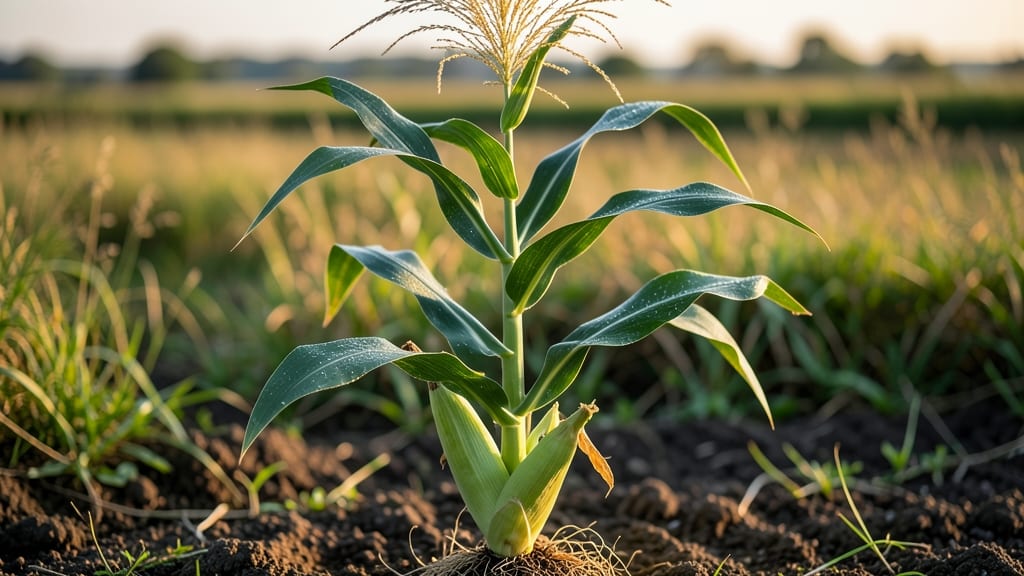
A healthy corn plant starts with the right soil, light, and a little patience—my first attempt failed because I rushed the growing season. 🌽 The key is mimicking corn’s natural conditions: warm soil, consistent moisture, and full sun.
Most gardeners skip the prep work, but taking these extra steps means the difference between scraggly stalks and ears heavy with kernels.
You’ll need well-draining soil rich in organic matter, at least 6 hours of sunlight daily, and space—corn plants need 12-18 inches between stalks to grow strong. The right variety matters too: sweet corn like ‘Silver Queen’ thrives in cooler climates, while ‘Peaches and Cream’ handles heat better.
Start seeds indoors 2-3 weeks before last frost, or plant directly when soil hits 60°F.
Once planted, keep soil moist but not soggy—corn roots need 1-2 inches of water per week. A balanced fertilizer (10-10-10) at planting and again when tassels form fuels growth.
Watch for pests like corn borers and diseases like leaf blight; healthy plants resist them better. By mid-summer, you’ll see 7-8 foot stalks with ears ready to harvest.
This method works for backyard gardens, raised beds, or even containers (dwarf varieties). The secret isn’t complicated—it’s consistency. Follow these steps, and you’ll go from struggling stalks to a bountiful harvest every season. Let’s get those seeds in the ground!
📚 In This Guide
- What you need
- Instructions
- Tips and common mistakes
- Wrapping up and next steps
What you need
- ● Corn seeds: Choose heirloom or hybrid varieties suited to your climate (e.g., 'Silver Queen,' 'Golden Bantam,' or 'Peaches & Cream'). Plant 1–2 seeds per hill, spacing hills 12–18 inches apart in rows 30–36 inches apart.
- ● Well-draining soil: Aim for pH 6.0–6.8. Mix in 2–3 inches of compost or aged manure before planting.
- ● Fertilizer: Use a balanced 10-10-10 or organic fertilizer (e.g., fish emulsion or bone meal) at planting and again when tassels appear.
- ● Water: At least 1–2 inches per week (more during droughts). Drip irrigation or soaker hoses work best.
- ● Garden trowel or transplanting tool for digging holes.
- ● Rake or hoe to loosen soil and remove weeds.
- ● Watering can or hose with a gentle spray nozzle.
- ○ Stakes or trellis (optional) for tall varieties to prevent lodging.
- ○ Row cover or shade cloth (optional) to protect seedlings from pests or heat.
- ● Warm soil: Corn thrives in 60°F+ soil. Wait until 2 weeks after the last frost or use a seedling heat mat for early starts.
- ● Sunlight: Full sun (6–8 hours daily) is a must—no shade!
- ● Space: Corn needs room to grow. Avoid planting near beans or squash (they compete for nutrients).
Step-by-step guide to cultivating a healthy corn plant
Here's how I transform corn from spindly to thriving—no guesswork, just science-backed techniques.
🌱 Step 1: Select and Prepare the Right Soil
Corn thrives in well-draining, nutrient-rich soil with a pH between 6.0 and 6.8. I always start with a mix of 60% garden soil, 30% compost, and 10% coarse sand to improve aeration. Work the compost into the top 12 inches of soil—corn roots grow deep, and they need plenty of organic matter to reach their full potential.
Test your soil before planting. A simple home kit reveals whether you need to adjust pH or add amendments. If your soil is heavy clay, mix in pearlite to prevent waterlogging, which causes root rot. The goal is loose, crumbly soil that holds moisture but drains freely—think of it as giving your corn roots a spa day, not a swamp.
☀️ Step 2: Plant at the Correct Depth and Spacing
Sow seeds 1 inch deep and 4-6 inches apart in rows spaced 2-3 feet apart. Planting too shallow delays germination, while burying seeds too deep exhausts their energy reserves before they reach light. I use a small garden marker to label rows—corn varieties mature at different rates, and you’ll want to harvest them all at peak sweetness.
For year-round growth, stagger plantings every 2-3 weeks in warm climates. This ensures a continuous supply of fresh ears. If you’re growing in containers, use 5-gallon pots for each plant—corn needs room to spread its roots and support its height. Overcrowding leads to weak stalks and poor ear development.
💧 Step 3: Water Deeply and Consistently
Corn needs 1-1.5 inches of water per week, delivered at the soil level—not overhead. I water deeply 2-3 times per week, soaking the soil to a depth of 6 inches. Shallow watering encourages weak root systems, while consistent moisture promotes strong stalks and plump ears. Use a moisture meter to check—when the top 2 inches of soil feel dry, it’s time to water again.
Mulch around the base with 2-3 inches of straw or grass clippings to retain moisture and suppress weeds. Mulch also keeps soil temperatures stable, which is critical for pollen development. If you notice the tassels (male flowers) drying out, increase water slightly—corn needs steady moisture during pollination for successful ear formation.
✂️ Step 4: Fertilize for Strong Growth and Harvest
Feed corn with a balanced fertilizer (10-10-10) at planting, then switch to a low-nitrogen, high-phosphorus formula (5-10-10) when tassels appear. Too much nitrogen produces lush foliage but weak ears. I side-dress with compost mid-season to provide slow-release nutrients—corn is a heavy feeder, and it rewards consistent feeding with sweet, tender ears.
Watch for silking, when the female flowers (silks) emerge from the ear husks. If silks dry out before pollination, hand-pollinate by brushing tassels over the silks with a paintbrush. Harvest when the silks turn brown and the kernels are plump but still milky—this happens 18-22 days after silking. Cut stalks with a sharp knife, leaving 6 inches of stem attached to preserve flavor.
🌿 Step 5: Prevent Pests and Diseases Proactively
Corn earworms and aphids are the biggest threats. I start with neem oil spray every 7-10 days as a preventive measure—it’s organic, non-toxic, and deters pests without harming beneficial insects. Rotate with pyrethrin-based sprays if infestations appear. Remove any damaged leaves or ears immediately to prevent spread.
Fungal diseases like corn smut thrive in humid conditions. Space plants for airflow and avoid overhead watering. If you notice rust-colored pustules, prune affected areas and treat with copper fungicide. Healthy soil and proper spacing reduce stress, making plants more resilient to pests and diseases. A thriving corn plant is your best defense—focus on strong roots and balanced nutrition first.
Tips & tricks for cultivating thriving corn stalks
These science-backed strategies will help you grow corn that's not just surviving, but truly thriving year-round.
Soil Science: The 60-30-10 soil mix (garden soil, compost, sand) is your foundation. For even better results, add 1 cup of bone meal to the planting hole—it provides phosphorus for strong root development. I've found that pre-mixing compost with perlite (instead of sand) gives even better aeration for those deep corn roots. The key is creating a soil environment that mimics corn's natural habitat in warm climates.
Planting Precision: When sowing seeds 1 inch deep, use a dibble or pencil to make clean holes—this prevents soil compaction that can suffocate young roots. For container growing, choose 5-gallon pots with drainage holes, and always plant two seeds per pot to ensure at least one strong stalk emerges. The 4-6 inch spacing between plants is crucial—it's not just about giving roots room, but also about airflow that prevents fungal diseases.
Watering Wisdom: The 1-1.5 inches of water per week recommendation is perfect, but timing matters just as much. Water in the early morning so foliage dries quickly, preventing fungal spores from taking hold. I've noticed that corn plants actually develop deeper roots when watered consistently at the same time each day—it establishes a routine that helps them regulate moisture intake. A simple rain gauge placed near your plants makes tracking this weekly requirement effortless.
Pest Prevention: Neem oil is fantastic, but I've found that planting marigolds (optional) around the perimeter creates a natural pest barrier. The strong scent repels corn earworms while attracting beneficial insects. For those dealing with aphids, a strong spray of water from the hose can dislodge them before they become a problem. Remember that prevention is always easier than treatment—healthy plants grown in optimal conditions are naturally more resistant to pests.
Pro Tips for Healthy Corn Plant
- These science-backed strategies will help you grow corn that's not just surviving, but truly thriving year-round.
- Soil Science: The 60-30-10 soil mix (garden soil, compost, sand) is your foundation.
- Planting Precision: When sowing seeds 1 inch deep, use a dibble or pencil to make clean holes—this prevents soil compaction that can suffocate young roots.
Frequently asked questions
How often should I water my corn plants for optimal growth?
Corn needs 1 to 1.5 inches of water per week, especially during tasseling and ear development. Water deeply at the base (avoid wetting leaves) to prevent fungal diseases like corn smut. Mulch around the base to retain moisture and reduce evaporation. Morning watering is ideal—it minimizes evaporation and gives plants a full day to dry.
When is the best time to harvest corn for peak sweetness?
Harvest when the silks turn brown and the kernels are plump, milky-white when pierced with a fingernail (about 18–22 days after pollination). For sweet corn varieties, aim for morning harvests—sugar content peaks early and declines as starches form. If silks dry up before kernels mature, hand-pollinate by brushing tassels over silks.
Can I grow corn indoors or in containers? What’s the best setup?
Yes! Choose dwarf or bush varieties like 'Golden Bantam' or 'Temptation' (mature at 4–5 feet). Use a 5-gallon container per plant with well-draining soil and a support stake. Place in a sunny window (6+ hours/day) or under grow lights. Containers dry faster—water daily and fertilize weekly with a balanced liquid fertilizer (10-10-10).
What are the most common pests for corn plants, and how do I prevent them?
Watch for corn earworms, aphids, and corn rootworms. Prevent pests with:
- Crop rotation (avoid planting corn in the same spot yearly).
- Neem oil or insecticidal soap for aphids.
- Row covers during pollination to block earworms.
- Beneficial nematodes for rootworms in soil.
What can I do if my corn plants look wilted or yellowing?
Yellowing leaves or wilting often signals underwatering, overwatering, or nutrient deficiency. Check soil moisture (top 1–2 inches should be dry). If leaves yellow between veins, it’s likely nitrogen deficiency—apply a balanced fertilizer. Wilting in heat? Provide shade cloth and mulch. For fungal issues (e.g., leaf blight), remove affected leaves and treat with copper fungicide.
Wrapping up and next steps
A healthy corn plant thrives when you combine the right soil, sunlight, and care—no matter the season! 🌱 By mastering year-round growth secrets, you’ll enjoy lush stalks, sweet kernels, and even the chance to experiment with heirloom varieties.
Whether you’re a beginner or a seasoned gardener, small adjustments—like proper spacing, consistent watering, and pest prevention—make all the difference.
Ready to grow your green thumb? Start by picking one tip from this guide and apply it to your next planting. Soon, you’ll be harvesting golden ears of corn that taste as fresh as summer—no matter what time of year it is! 🌟