
Planting
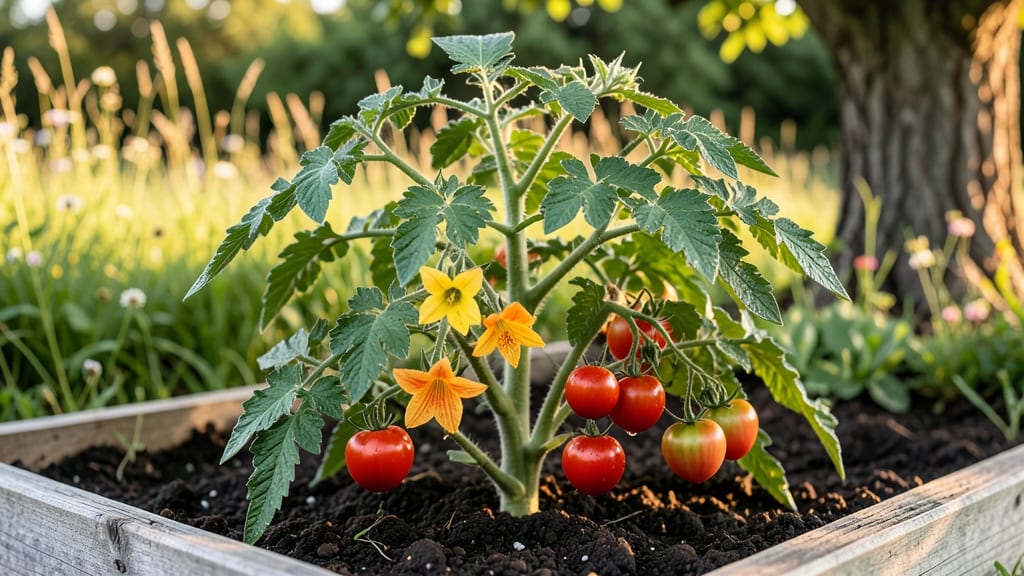
Heirloom tomato plant care starts with the right spot and a little patience. 🌱 I’ve watched my Brandywine and Sungold plants transform a shady corner into a sun-drenched fruit factory—once I learned their secrets.
These varieties reward you with flavors store-bought tomatoes can’t match, but they demand consistent care to thrive.
The foundation is simple: 6+ hours of sunlight daily, rich, well-draining soil mixed with compost, and a sturdy cage or trellis for support. I swear by a 50-50 mix of garden soil and compost—it keeps roots happy without drowning them.
Water deeply at the base (never overhead) to prevent disease, and mulch to lock in moisture. Prune suckers regularly to focus energy on fruit, not foliage.
By midsummer, you’ll be harvesting tomatoes that burst with flavor—sweet, tangy, or smoky, depending on the variety. The key is staying consistent: fertilize lightly with compost tea every 2 weeks, watch for pests early, and protect blossoms from late frosts.
Even if a few leaves yellow, your plants will bounce back with the right care.
This method works for containers too—just use a 5-gallon pot for dwarf varieties. Whether you’re a first-timer or a seasoned gardener, heirlooms are worth the effort. Let’s get those vines growing strong!
📚 In This Guide
- What you need
- Instructions
- Tips and common mistakes
- Wrapping up and next steps
What you need
- ● Heirloom tomato seeds or seedlings: Choose 3–5 varieties (e.g., 'Brandywine,' 'Cherokee Purple,' or 'Sungold') for diversity. Start with 1–2 plants per variety if space is limited.
- ● High-quality potting mix or compost: 5–10 gallons (for containers) or enrich your garden soil with 2–3 inches of compost or aged manure.
- ● Containers or garden plot: Containers: 5-gallon pots or larger (minimum 12" diameter for dwarf varieties, 18"+ for indeterminate types). Ensure pots have drainage holes.
- ● Garden beds: Full sun (6–8+ hours daily) and well-draining soil with a pH of 6.0–6.8.
- ● Fertilizer: Balanced organic fertilizer (10-10-10) or tomato-specific feed (follow label rates). Add a slow-release option like worm castings or bone meal at planting.
- ● Staking or caging system: 6–8 ft bamboo stakes or sturdy cages (5–6 ft tall) for indeterminate varieties; smaller stakes for determinate types.
- ● Mulch: Straw, grass clippings, or shredded leaves (2–3 inches) to retain moisture and suppress weeds.
- ● Watering can or hose with a gentle spray nozzle: Aim for 1–2 gallons of water per plant, 2–3 times per week (adjust for climate).
- ● Pruning shears: Sharp, clean shears for trimming suckers and dead foliage.
- ● Grow lights: For seedlings or early starts in cool climates (LED or fluorescent, 12–16 hours/day).
- ● Plant supports: Twine or soft ties to secure vines to stakes/cages.
- ● Row covers or shade cloth: To protect young plants from pests or intense sun (30–50% shade for seedlings).
- ● Soil moisture meter: Monitor watering needs without over/under-watering.
- ● Compost tea or fish emulsion: Boost soil microbes and nutrient uptake during fruiting.
- ● Pest deterrents: Neem oil, diatomaceous earth, or row covers for aphids/tomato hornworms.
Step-by-step guide to heirloom tomato plant care
Here’s how to coax those prized heirloom tomatoes to full, juicy perfection—season after season.
🌱 Step 1: Choose the Right Location and Support
Heirloom tomatoes demand full sun—at least 8 hours daily—so scout your yard for the warmest, most sheltered spot. I always check for south-facing exposure first, as those spots get the most consistent light. Avoid low areas where cold air settles, as heirlooms are far less cold-hardy than hybrids.
Install sturdy cages or stakes (at least 6 feet tall) the day you transplant. Tomatoes grow fast, and their heavy vines will snap weak supports by mid-summer. I drive stakes 12 inches deep into the soil for stability, then weave the main stem through the cage as it grows. This prevents root disturbance later.
☀️ Step 2: Water Deeply and Consistently
Heirlooms hate dry soil—uneven moisture leads to cracked fruit and blossom-end rot. Water deeply 1-2 times weekly, soaking the soil 12-18 inches down until it’s damp but not soggy. I use a soaker hose or drip irrigation to deliver water at the base, avoiding wetting leaves (which spreads disease).
Check moisture by sticking your finger 2 inches into the soil—if it feels dry, it’s time to water. Early morning is best to prevent fungal issues. Mulch with 2-3 inches of straw or shredded leaves to lock in moisture and keep roots cool. This is non-negotiable in hot climates.
🌿 Step 3: Prune and Train for Maximum Yield
Pinch off suckers (the small shoots that form in the leaf axils) when they’re no bigger than a dime. These energy vampires drain the plant instead of feeding fruit. I prune on a dry, sunny morning when the plant is actively growing—this reduces stress and speeds healing.
Remove the bottom leaves up to 12 inches from the ground to improve airflow and prevent soil-borne diseases. Leave 3-4 main stems for indeterminate varieties (like ‘Brandywine’ or ‘Cherokee Purple’), as they produce more fruit. Support heavy branches with soft ties to prevent breakage.
✂️ Step 4: Fertilize and Monitor for Pests
Feed heirlooms with a balanced organic fertilizer (like 5-5-5) every 4-6 weeks starting at transplant. I switch to a low-nitrogen, high-phosphorus blend (like 3-6-3) when flowers appear to encourage fruiting. Avoid high-nitrogen fertilizers—they’ll give you lush foliage but few tomatoes.
Watch for hornworms, aphids, and whiteflies, which love heirloom tomatoes. I handpick hornworms (they’re huge and easy to spot) and spray neem oil for soft-bodied pests. Introduce ladybugs or lacewings for natural control. Rotate crops yearly to prevent soil-borne diseases like early blight.
🍅 Step 5: Harvest and Extend the Season
Pick tomatoes when they’re fully colored but still slightly firm—this prevents overripening on the vine. I harvest early in the morning to avoid bruising, then let them ripen indoors on a sunny windowsill. Heirlooms ripen unevenly, so check clusters every 2-3 days once they start changing color.
To prolong the season, cover plants with frost cloth when nights dip below 50°F. I also prune back 1/3 of the foliage in late summer to redirect energy to ripening fruit. Store unripe tomatoes in a paper bag with a banana (the ethylene gas speeds ripening) and enjoy their complex flavors all fall.
Tips & tricks for perfect heirloom tomato cultivation
These game-changing insights will help you transform your garden into a tomato treasure trove—no green thumbs required.
Sunlight Strategy: That 8-hour daily sun requirement isn't just a suggestion—it's non-negotiable for heirlooms. I've seen plants wilt dramatically when moved to partial shade, even for just a few hours. Consider installing a portable shade cloth during extreme heat (above 90°F) to prevent sunscald on fruits. Morning sun is especially critical; it gives plants time to dry off before evening moisture sets in.
Root Zone Mastery: When checking soil moisture with your finger 2 inches down, also test 4-6 inches deeper—this reveals the real hydration story. Heirlooms develop deep root systems, and surface moisture can fool you. I've found that consistent deep watering (12-18 inches) creates roots that stretch toward underground water sources, making plants far more drought-resistant.
Pruning Precision: Those no bigger than a dime suckers are sneaky—they appear overnight! I've learned to check plants every 3-4 days during peak growth. Use sharp scissors to avoid tearing tissue, and always cut at a 45-degree angle just above a leaf node. This technique promotes faster healing and prevents disease entry points.
Season Extension Hack: That 50°F frost cloth threshold is your new best friend. I've successfully extended harvests until first frost by combining frost cloth with a simple DIY greenhouse made from clear plastic bins. The trapped heat creates a microclimate that keeps plants producing even when nights drop to 40°F.
Pro Tips for Heirloom Tomato Plant Care
- These game-changing insights will help you transform your garden into a tomato treasure trove—no green thumbs required.
- Sunlight Strategy: That 8-hour daily sun requirement isn't just a suggestion—it's non-negotiable for heirlooms.
- Root Zone Mastery: When checking soil moisture with your finger 2 inches down, also test 4-6 inches deeper—this reveals the real hydration story.
Frequently asked questions
Got questions about growing heirloom tomatoes?
You’re not alone—these flavor-packed plants can be a little finicky! Here are answers to the most common queries to help you cultivate a thriving harvest.
How often should I water heirloom tomato plants?
Water deeply 1-2 times per week, soaking the soil 1-2 inches down. Avoid wetting leaves to prevent disease. Morning watering is best—it reduces evaporation and fungal risks. Mulch around the base to retain moisture and keep roots cool.
When is the best time to transplant heirloom tomato seedlings?
Wait until after the last frost and soil temps reach at least 50°F (10°C). Seedlings should be 4-6 weeks old with 2-3 true leaves. Transplant in the late afternoon to reduce transplant shock. Harden off seedlings a week before moving them outside.
Why aren’t my heirloom tomatoes ripening on the vine?
Common culprits include too much nitrogen (focus on phosphorus/potassium), cool nights (below 55°F/13°C), or poor pollination. Try hand-pollinating with a soft brush, ensuring full sun (6-8+ hours/day), and harvesting green tomatoes to ripen indoors with a banana.
What’s the easiest way to protect heirloom tomatoes from pests?
Use row covers for early pests like flea beetles, and neem oil or soapy water sprays for aphids. Beneficial insects (ladybugs, lacewings) help too! Avoid chemical sprays—heirlooms are delicate. Copper tape around the stem deters hornworms.
Can heirloom tomatoes grow in containers, and what size pot do I need?
Yes! Choose a 5-gallon minimum pot (bigger is better for indeterminate varieties). Use a lightweight potting mix with added compost, and include support stakes or cages. Containers dry faster—water daily in hot weather and fertilize every 2-3 weeks.
Wrapping up and next steps
Growing heirloom tomatoes is a rewarding journey that brings vibrant flavors and lush greenery to your garden! 🌱 With the right care—sunlight, soil, water, and a little patience—you’ll soon enjoy homegrown, sun-ripened treasures straight from your sunny spot.
Whether you’re a seasoned gardener or a curious beginner, every seed planted is a step toward a bountiful harvest.
Now that you’re armed with the sunny-spot secrets, why not take the next step? Start planting! Pick your favorite heirloom varieties, grab your tools, and let your garden flourish. Happy growing—and enjoy those delicious, juicy rewards! 🍅✨