
Planting
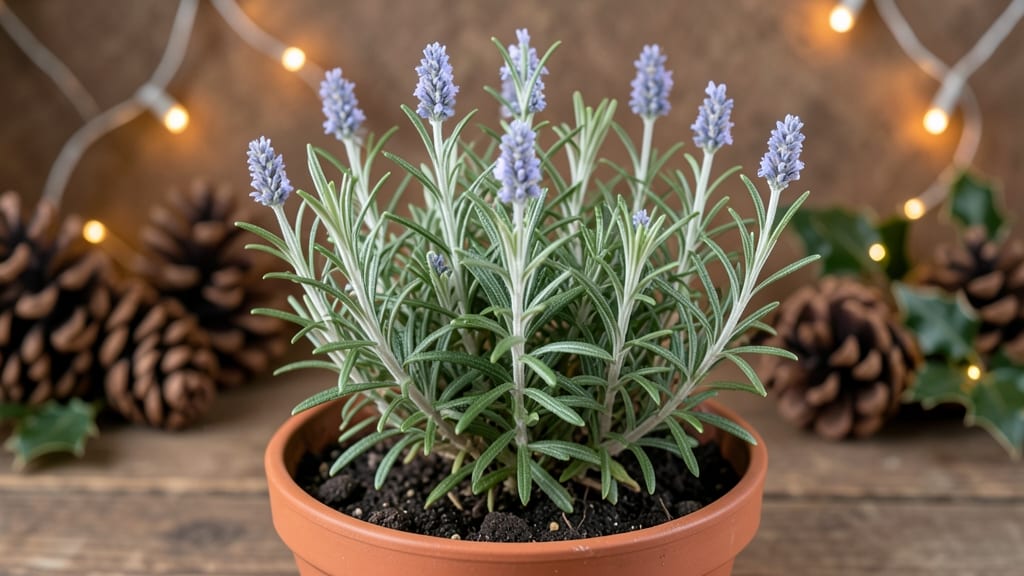
Your holiday rosemary plant isn't just a kitchen staple—it's a fragrant evergreen that transforms your home into a cozy, aromatic sanctuary year-round. 🌿 I've learned that rosemary thrives when treated like the hardy, versatile plant it is, not just a seasonal decoration.
The secret lies in understanding its love for sunlight, well-draining soil, and minimal fuss—it rewards patience with lush, pine-scented growth that lasts through holidays and beyond.
Start with a healthy rosemary plant from a nursery or propagate your own from cuttings—it's easier than you think. You'll need a pot with drainage holes, a mix of potting soil and sand for aeration, and a sunny spot (at least 6 hours of sunlight daily).
Prune regularly to encourage bushier growth, and pinch back the tips to keep it compact and full. This plant is surprisingly forgiving—even if you forget to water occasionally, it bounces back with that signature fresh, woody aroma.
By December, your rosemary will be thriving, ready to double as a fragrant centerpiece or a gift-wrapped plant for friends. The needles make stunning wreaths, and the branches add a rustic touch to holiday tables.
Plus, it keeps giving: harvest sprigs for cooking all winter long. The best part? With proper care, your holiday rosemary can live for years, becoming a beloved tradition in your home.
Whether you're gifting it, using it in recipes, or simply enjoying its scent, this plant is a year-round winner. The key is consistency—keep it in bright light, water when the soil feels dry, and avoid overwatering.
Before you know it, you'll have a lush, fragrant evergreen that outlasts any holiday decoration and keeps your home smelling like a mountain retreat.
📚 In This Guide
- What you need
- Instructions
- Tips and common mistakes
- Wrapping up and next steps
What you need
- ● Rosemary plant: 1 healthy rosemary plant (preferably Rosmarinus officinalis 'Tuscan Blue' or 'Arp' for hardiness). Choose a 6-12 inch specimen from a nursery or propagate your own from cuttings.
- ● Well-draining potting soil: 1 5-gallon bag of cactus/succulent mix or a blend of 60% potting soil + 40% perlite/pumice to prevent root rot.
- ● Container: A 12-18 inch diameter pot with drainage holes (terracotta or fabric pots work best). For outdoor planting, a sunny, sheltered spot with loose, rocky soil.
- ● Drainage layer: 1-2 inches of gravel, pebbles, or broken pottery to improve drainage.
- ● Watering can or hose: With a gentle spray nozzle to avoid displacing soil.
- ● Pruning shears: Sharp, sterilized shears for trimming (clean blades prevent disease).
- ● Organic fertilizer: Balanced 10-10-10 or slow-release rosemary-specific fertilizer (apply sparingly—rosemary prefers lean soil!).
- ● Mulch: Pebbles or coarse bark to retain moisture and enhance aesthetics.
- ● Plant support: A small stake or trellis if growing tall varieties like 'Hill Hardy'.
- ● Humidity tray: A shallow tray with pebbles and water to boost humidity in dry climates.
- ● Grow lights: If indoors, a full-spectrum LED grow light (12-14 hours/day) for winter sunlight shortages.
- ● Rosemary companion plants: Thyme, lavender, or sage to create a fragrant herb garden.
Step-by-step guide to growing holiday rosemary plants
Here's how to grow fragrant rosemary that'll bring holiday cheer and stay lush all year long.
🌱 Step 1: Choose the Right Rosemary Variety and Planting Time
For holiday gifting, I recommend upright varieties like 'Tuscan Blue' or 'Arp'—they hold their shape beautifully and smell amazing. Plant in late spring or early summer when temperatures stay above 50°F at night. Rosemary thrives in warm climates, but if you're in a cooler zone, start plants indoors 8-10 weeks before your last frost so they're established by fall.
This timing ensures your rosemary will be mature enough to handle holiday decorating and gift-giving. If you're planting from seed, start them indoors 6-8 weeks before transplanting—rosemary seeds need warmth to germinate well. I always label my plants with the variety and planting date so I don't forget which ones are ready for holiday displays.
☀️ Step 2: Select the Perfect Sunny Spot
Rosemary demands full sun—at least 6-8 hours daily—to stay fragrant and compact. A south-facing window or outdoor location gets the best results. If you're growing indoors, place it near a sunny window or under grow lights for 14-16 hours a day. Without enough light, stems stretch and leaves lose their rich aroma.
Here's the thing—rosemary hates wet feet. Choose a spot with well-draining soil or a container with drainage holes. If you're planting in the ground, amend the soil with sand or perlite to improve drainage. I like to test soil moisture by sticking my finger in—if it's damp after a few days, the spot drains too slowly.
💧 Step 3: Plant and Water with Care
Dig a hole twice as wide as the root ball but only as deep as the container it came in. Gently remove the plant, loosen the roots if they're circling, and place it in the hole. Fill around it with soil, pressing lightly to remove air pockets. Water deeply right after planting to settle the roots—this helps prevent transplant shock.
Now, here's where most people go wrong: rosemary hates soggy soil. Water only when the top 1-2 inches of soil feel dry to the touch. In containers, I check by lifting the pot—if it feels light, it's time to water. Overwatering causes root rot, which kills rosemary fast. Once established, rosemary is drought-tolerant, so err on the side of underwatering.
✂️ Step 4: Prune for Shape and Fragrance
Pruning keeps rosemary bushy and fragrant—critical for holiday gifts! Trim back one-third of the plant in early spring to encourage new growth. Use clean, sharp shears to cut just above a leaf node (where leaves meet the stem). This prevents unsightly stubs and encourages branching.
For holiday displays, shape your rosemary into topiary forms like spirals or cones. Use floral wire to gently guide stems into place while they grow. Harvest sprigs regularly—snip stems just above a leaf pair—to encourage bushier growth. The more you prune, the fuller and more fragrant your rosemary becomes. I always save the trimmings in a jar with rice for homemade potpourri!
🪴 Step 5: Overwinter for Year-Round Holiday Use
If you're in a cold climate, protect your rosemary from frost. In containers, move pots to a sheltered spot or wrap them in bubble wrap before bringing indoors. For in-ground plants, mound mulch 2-3 inches thick around the base to insulate roots. Rosemary can handle light frosts but dies back in hard freezes.
Indoors, place rosemary near a sunny window or under grow lights. Reduce watering in winter—soil stays moist longer without warmth. Prune lightly in late winter to remove any dead growth. With proper care, your rosemary will stay lush and fragrant, ready for holiday wreaths, potpourri, or gift bundles all season long.
Tips & tricks for perfect holiday rosemary plants
Growing fragrant rosemary for the holidays is easier than you think—once you know these game-changing tips.
Variety Matters: When selecting your rosemary plants, look for 'Tuscan Blue' or 'Arp' varieties—they hold their shape beautifully for holiday displays. These upright varieties also have the richest fragrance, which is perfect for wreaths, potpourri, or gift bundles. I've found that container-grown plants from nurseries often establish faster than seeds, so if you're short on time, opt for mature plants rather than starting from scratch.
Light is Non-Negotiable: Rosemary absolutely demands that 6-8 hours of direct sunlight daily—no exceptions. If you're growing indoors, position your plant near a south-facing window or invest in a grow light that provides 14-16 hours of light per day. I've seen rosemary stretch and lose its fragrance when light is insufficient, so don't skimp on this step. A simple trick? Rotate your plant every few days to ensure even growth all around.
Drainage is Your Best Friend: The most common mistake I see is overwatering or planting in soil that doesn't drain well. Rosemary roots need oxygen, and soggy soil suffocates them. If you're planting in the ground, mix in sand or perlite to improve drainage. For containers, always use pots with drainage holes—even if you think you won't need them. I keep a small trowel handy to check soil moisture by digging down an inch or two; if it's damp, wait before watering again.
Pruning for Holiday Perfection: To keep your rosemary looking its best for holiday gifts, prune it back by one-third in early spring and then again lightly in late winter. Always cut just above a leaf node to encourage new growth. For shaped topiaries, use floral wire to gently guide stems into place while they grow—this creates those elegant holiday displays. And here's a bonus: save your pruned stems in a jar with rice for homemade potpourri that smells like the holidays!
Pro Tips for Holiday Rosemary Plant
- Growing fragrant rosemary for the holidays is easier than you think—once you know these game-changing tips.
- Variety Matters: When selecting your rosemary plants, look for 'Tuscan Blue' or 'Arp' varieties—they hold their shape beautifully for holiday displays.
- Light is Non-Negotiable: Rosemary absolutely demands that 6-8 hours of direct sunlight daily—no exceptions.
Frequently asked questions
Got questions about keeping your holiday rosemary plant thriving? Here are some of the most common ones—plus quick, practical answers to help you enjoy its fragrant beauty year-round!
Can I grow rosemary indoors year-round, or is it just for the holidays?
Rosemary is a perennial herb that thrives indoors with proper care. Place it near a sunny window (or under grow lights) and keep the soil lightly moist. Just avoid soggy roots—rosemary hates humidity! With the right conditions, it can live for years and even reward you with fresh sprigs for cooking.
How long does it take for a holiday rosemary plant to grow big enough for harvesting?
If you’re starting with a small plant, expect to wait 4–6 weeks for noticeable growth before harvesting. Prune lightly (cut back by ⅓) to encourage bushiness, and avoid taking more than 10–15% of the plant at once. Patience pays off—once established, it’ll regrow quickly and stay lush!
Can I use rosemary from my plant in cooking right away, or should I wait?
You can use fresh rosemary immediately! The flavor is brightest when harvested young. For best results, snip sprigs just before cooking (whole or finely chopped) and remove any woody stems. Pro tip: Freeze extras in olive oil or dry them for later use—both methods preserve flavor beautifully!
Why is my rosemary plant turning yellow or dropping leaves? What’s wrong?
Yellowing leaves usually mean overwatering or poor drainage. Rosemary prefers dry soil—let the top inch dry out between waterings. Drooping leaves could also signal low light or root bound conditions. Repot if roots are circling, and move it to a sunnier spot. With adjustments, it’ll bounce back!
What are some low-maintenance alternatives to rosemary for holiday decor?
If rosemary seems high-maintenance, try these fragrant, easy-care plants:
- Lavender: Drought-tolerant and calming (but needs full sun).
- Bay leaves: Slow-growing but hardy; great for potpourri.
- Eucalyptus: Fast-growing and aromatic (though not edible).
- Ornamental thyme: Ground cover with tiny flowers—perfect for borders.
Wrapping up and next steps
Bringing a holiday rosemary plant into your home isn’t just about adding a festive touch—it’s about embracing a low-maintenance, fragrant evergreen that keeps giving long after the holidays end! 🌿 Whether you’re gifting it, growing it for yourself, or simply admiring its beauty, rosemary thrives with just a little care and a lot of love.
Now that you’re armed with the right tips, why not take the next step? Try propagating a cutting from your plant, share it with a friend, or even experiment with culinary uses—your kitchen (and senses) will thank you!