
Planting
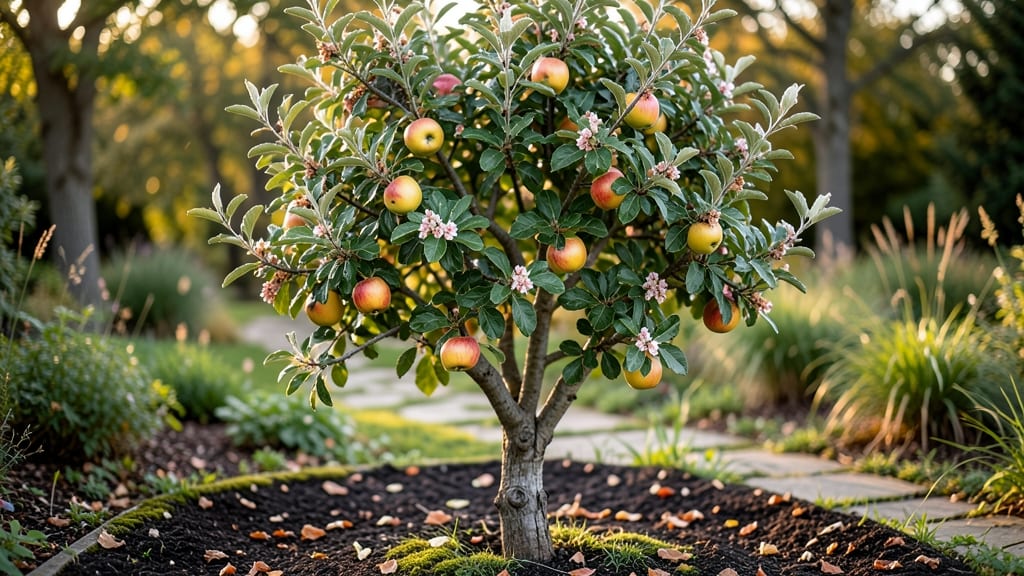
To determine the Honeycrisp apple zone, check USDA Plant Hardiness Zones 4-7, as this cold-hardy variety needs 600-1,000 winter chilling hours. Use the USDA Interactive Hardiness Map to confirm your local climate compatibility before planting.
Honeycrisp apples demand colder climates because they require a specific winter chill period to set fruit properly. 🌡️ Without enough cold exposure, trees may produce fewer apples or none at all. I've seen growers in Zone 8 struggle with inconsistent yields because the variety simply isn't adapted to warmer winters.
The good news? Even if you're on the edge of Zone 7, microclimates like north-facing slopes or higher elevations can sometimes push your area into the ideal range.
For precise planting success, I recommend cross-checking your zone with local orchard reports or county extension services. They often provide nuanced data about heat tolerance limits and summer temperature thresholds that standard maps might miss.
For example, while Zone 7 is generally acceptable, areas with frequent summer heatwaves above 90°F may require additional shade or irrigation strategies.
💡 In This Article
- Honeycrisp Apple Climate Requirements Explained
- Best Planting Zones for Honeycrisp Apples by Region
Honeycrisp apple climate requirements explained
The Honeycrisp apple tree thrives in cold climates because its growth cycle depends on winter chilling hours—a critical period where temperatures stay between 32-45°F for at least 600-1,000 hours. This cold exposure triggers dormancy and ensures proper bud development in spring.
Without sufficient chilling, trees may fail to bloom or produce fruit, leading to poor yields. For example, in Zone 5, where winters average 300-500 hours below 45°F, Honeycrisp trees flourish, while in Zone 8, with only 200-400 hours, they often struggle.
Heat tolerance is equally important—Honeycrisp apples prefer moderate summer temperatures, ideally between 70-85°F. Prolonged exposure to 90°F+ can stress the tree, reducing fruit quality and increasing susceptibility to pests.
In areas like the Pacific Northwest, where summers are mild and winters are wet, Honeycrisp thrives, while regions like Texas or Florida require protective measures like shade cloth or drip irrigation to mimic cooler conditions.
The tree’s roots also benefit from well-draining soil to prevent heat-related root rot in warmer zones.
Microclimates play a huge role in extending the ideal growing range. A north-facing slope or a higher elevation can drop temperatures 5-10°F cooler than the surrounding area, creating a microclimate that mimics a colder zone.
For instance, a gardener in Zone 7b might successfully grow Honeycrisp in a shaded, elevated spot where winter lows rarely exceed 15°F. Conversely, urban areas with heat islands—where pavement and buildings trap heat—may require additional cooling strategies like reflective mulch or windbreaks to protect young trees.
Another key factor is spring frost timing. Honeycrisp blooms early, making it vulnerable to late frosts (28°F or below) that can damage flowers and reduce fruit set.
In Zone 6, where spring frosts are common, planting near a large body of water or on a south-facing slope can delay frost formation by 1-2 weeks. This timing difference often means the difference between a failed crop and a bountiful harvest. 🌿
For those pushing the limits in Zone 7, consider dwarf varieties or container growing to control temperature exposure. Smaller trees warm up faster in spring but can also be moved to sheltered areas during heatwaves.
The trade-off? Dwarf trees produce fewer apples but are easier to protect. Always monitor your local last frost date—Honeycrisp needs 150-200 frost-free days to mature fruit properly.
Finally, soil pH matters—Honeycrisp prefers 6.0-6.5, slightly acidic conditions that mimic its native growing regions. In alkaline soils (pH 7.5+), micronutrient deficiencies like iron chlorosis can stunt growth.
Amending soil with sulfur or peat moss can help, but this adjustment is less critical than getting the climate right. The bottom line? Honeycrisp isn’t just about zones—it’s about creating the right balance of cold, heat, and growing conditions in your specific backyard.