
Planting
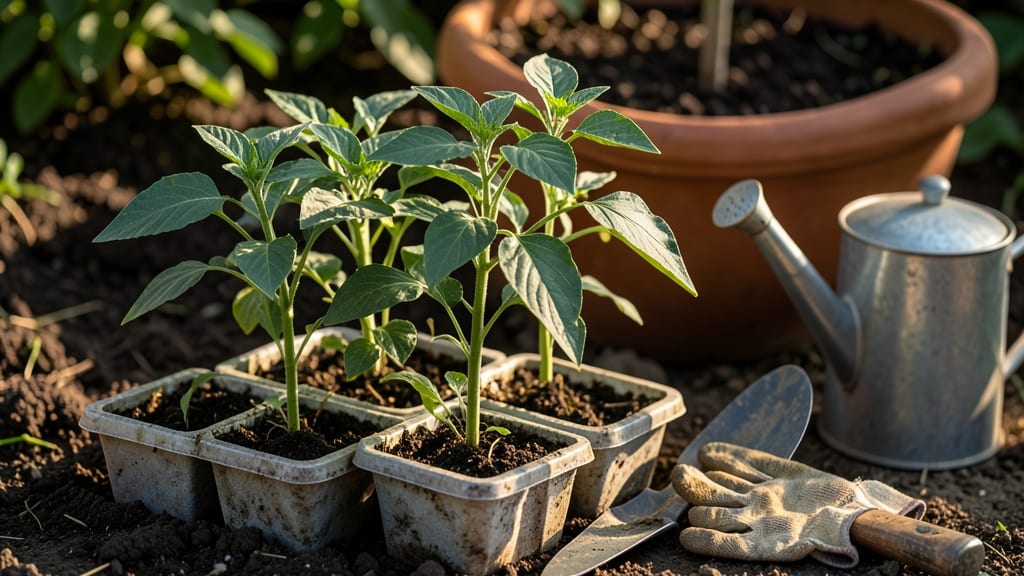
Pepper seedlings should be 4 to 6 inches tall with 4 to 6 true leaves before transplanting—any smaller risks stunted growth, and larger ones struggle to adjust.
Transplanting pepper seedlings too early or too late can stunt growth—or even kill your plants. Knowing the exact size and leaf count for optimal transplanting ensures stronger roots, faster maturity, and a bountiful harvest.
In USDA Zone 6a, aim for April to May planting after the last frost, when soil temperatures hit 60°F. Seedlings with thick stems and deep green leaves are ready, while pale or leggy ones need more time.
Below, I’ll break down the ideal transplant size, how to harden off seedlings, and the 3 biggest mistakes that weaken peppers right after moving them to the garden.
Optimal pepper seedling size before transplanting: height, leaf count, and stem strength
Transplanting pepper seedlings at the right size makes all the difference between thriving plants and struggling survivors. The ideal height for pepper seedlings is between 4 to 6 inches, with 4 to 6 true leaves fully developed.
This size ensures your seedlings have strong enough roots and stems to handle the stress of transplanting without shock. Smaller seedlings lack the energy reserves to recover, while overgrown ones may have weak stems that break easily.
When deciding whether your seedlings are ready, focus on three key factors: height, leaf count, and stem thickness. A pencil-thick stem (about 1/8 to 1/4 inch in diameter) is a great indicator of readiness.
Thin stems struggle to support new growth after transplanting, while overly thick stems might signal leggy seedlings that need more light. Balancing these factors ensures your peppers establish quickly and start producing fruit sooner.
Here’s a quick reference to help you gauge readiness. Use this summary table to compare your seedlings against the ideal benchmarks before moving them outdoors.
Before transplanting, perform a simple hardiness test to ensure your seedlings can handle outdoor conditions. Place them outside in a shaded area for 3 to 5 days, gradually increasing their exposure to sunlight and wind. Watch for signs of stress like wilting, yellowing leaves, or stunted growth.
If your seedlings bounce back quickly, they’re ready. If not, give them another week or two indoors under bright grow lights or near a south-facing window.
Another critical factor is stem strength. Gently pinch the stem near the base—it should bend slightly but not snap. If stems break easily, your seedlings need more time to develop. Overly leggy seedlings with thin stems often result from insufficient light.
Move them to a sunny windowsill or under grow lights for 12–14 hours a day to encourage stockier growth. Avoid fertilizing heavily at this stage, as it can lead to soft, weak stems.
Timing your transplant also depends on your climate zone. In USDA Zones 8–10, you can transplant as early as mid-March, while gardeners in Zones 3–7 should wait until after the last frost date, typically late April to early May.
Soil temperature is just as important as air temperature—pepper seedlings thrive when soil is at least 60°F. Use a soil thermometer to check before transplanting, especially in cooler regions.
One common mistake is transplanting seedlings that are too small. Seedlings with fewer than 4 true leaves lack the energy reserves to recover from transplant shock. Their roots are underdeveloped, making it harder to establish in the garden.
On the flip side, overgrown seedlings (taller than 6 inches) may have weak stems that break under their own weight or struggle to adapt to outdoor conditions. Aim for that sweet spot of 4–6 inches to give your peppers the best start.
Pay attention to the color and texture of leaves as another indicator of readiness. Healthy pepper seedlings have dark green, glossy leaves with no yellowing or browning. If you notice purple stems or leaves, it’s a sign of phosphorus deficiency or cold stress.
In this case, delay transplanting until your seedlings recover. Well-developed leaves also mean your seedlings have enough chlorophyll to photosynthesize efficiently once they’re in the ground.
Finally, consider the time of day you transplant. Early morning is ideal because it gives seedlings time to acclimate to sunlight and recover from transplant shock before evening. Avoid transplanting on hot, windy days, as these conditions can stress seedlings further.
Water them thoroughly before and after transplanting to reduce shock, and apply a light mulch around the base to retain moisture and regulate soil temperature.
By focusing on these key benchmarks—height, leaf count, stem strength, and hardiness—you’ll set your pepper seedlings up for success. Transplanting at the right size ensures faster establishment, stronger root systems, and a head start on producing juicy, flavorful peppers all season long. 🌱
Signs your pepper seedlings are ready (or not ready) for transplanting
Your pepper seedlings are ready for transplanting when they reach 4 to 6 inches tall with 4 to 6 true leaves—these are the key indicators of strength. Look for deep green, sturdy stems and avoid seedlings with yellowing leaves or weak growth, as these won’t survive the transition well.
Another critical sign is root development. Gently tug on a seedling—if it resists slightly, roots are well-established. If it pulls out easily, it’s not ready. Leggy seedlings (too tall and thin) often struggle after transplanting, so prioritize compact, bushy growth over height.
Ready for Transplanting
- Height: 4–6 inches tall
- Leaves: 4–6 true leaves (no seed leaves)
- Stem: Thick and sturdy (pencil-sized)
- Roots: Well-developed (resists gentle tug)
- Color: Vibrant green (no yellowing)
Not Ready for Transplanting
- Height: Under 4 inches
- Leaves: Fewer than 4 true leaves
- Stem: Thin or leggy (easily breaks)
- Roots: Underdeveloped (pulls out easily)
- Color: Pale or yellowing leaves
Environmental factors also play a role. In USDA Zone 6a, wait until nighttime temperatures stay above 50°F—cold snaps can shock seedlings. If your seedlings are ready but the weather isn’t, harden them off for 7–10 days by gradually exposing them to outdoor conditions.
Common mistakes include transplanting too early (before soil warms to 60°F) or too late (after seedlings outgrow their containers). Overcrowded seedlings also weaken, so avoid transplanting if roots are circling the pot—this stresses plants and slows recovery.
One final check: test your seedlings’ resilience by pinching a leaf. If it snaps easily, wait longer. If it bends but doesn’t break, it’s ready for the garden. Transplanting at the right size means healthier plants and a higher yield later in the season.
🌱