
Planting
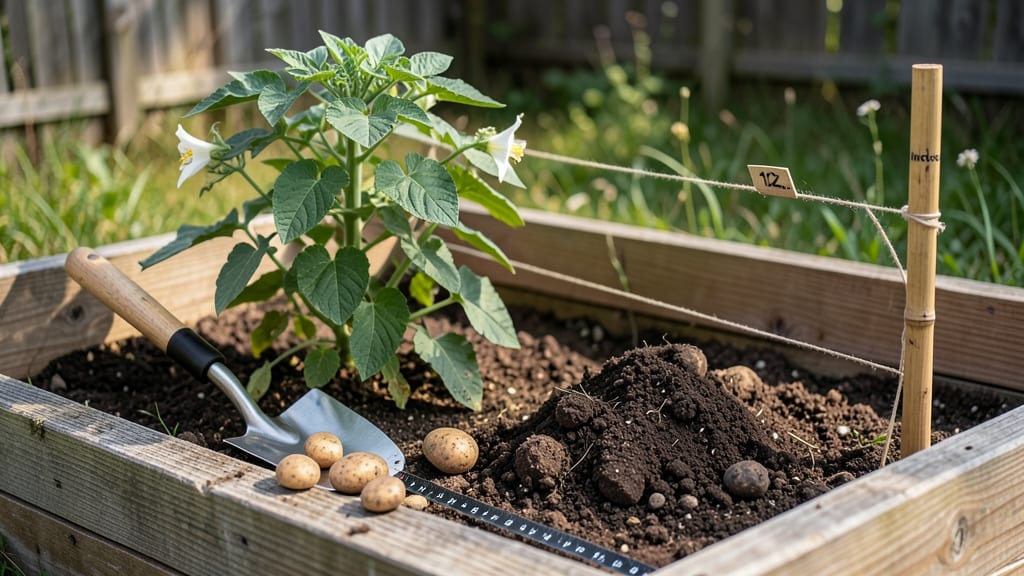
Struggling to get the most out of your 🥔 harvest? The secret to bountiful, disease-resistant spuds lies in getting the planting depth and spacing just right—and most gardeners get it wrong.
Too shallow, and you risk exposing tubers to sunlight, turning them green and bitter. Too crowded, and you’ll end up with small, stunted potatoes instead of the big, beautiful harvest you’re dreaming of.
In this guide, I’ll walk you through the exact depth and spacing for your potato variety, plus how to adjust for your soil type and climate—so you can maximize every square foot of your garden.

Optimal potato planting depth by variety type: seed vs. whole potatoes
Getting your potato planting depth right is the difference between a rotten harvest and a bountiful yield. Most gardeners either bury seed potatoes too deep—leading to stunted growth—or too shallow, inviting rot.
The key lies in understanding your potato variety and whether you're planting seed potatoes or whole potatoes. Let's break down the science-backed methods to maximize tuber formation while minimizing disease risk.
For seed potatoes (the small, whole potatoes you buy for planting), the eyes-up method is critical. This means positioning the potato so that the eyes (sprouts) face upward, with the top third exposed above soil. This ensures the plant emerges quickly and develops strong roots.
Whole potatoes, on the other hand, require slightly different handling—especially if you're cutting them into pieces for planting. Certified organic seeds often have stricter guidelines to prevent disease spread, so we'll cover those too.
Here’s a quick reference for planting depth by potato type, including spacing and soil considerations to avoid common mistakes:
| Potato Type | Planting Depth | Spacing Between Plants | Spacing Between Rows | Key Notes |
|---|---|---|---|---|
| Seed Potatoes (Whole) | 3–4 inches deep (eyes up) | 12 inches apart | 30–36 inches apart | Best for certified organic seeds; cure cuts for 24 hours before planting. |
| Cut Seed Potatoes | 2–3 inches deep (cut side down) | 10–12 inches apart | 30 inches apart | Ensure each piece has 1–2 eyes; let cuts dry for 1–2 days. |
| Whole Potatoes (Store-Bought) | 4–5 inches deep (eyes up) | 15 inches apart | 36 inches apart | Use disease-free potatoes; avoid cutting unless necessary. |
| Certified Organic Seed Potatoes | 3–4 inches deep (eyes up) | 12–15 inches apart | 36 inches apart | Follow organic guidelines; avoid chemical treatments. |
When planting seed potatoes, the eyes-up method ensures the plant emerges quickly and develops a strong root system.
Burying them too deep (more than 4 inches) can lead to slow sprouting or even rot, while planting too shallow (2 inches) exposes them to temperature fluctuations and pests.
For whole potatoes (like those from the grocery store), dig a trench 4–5 inches deep and place them with the eyes facing up. This extra depth helps protect them from early-season frost and drying out.
If you're cutting seed potatoes into smaller pieces, each piece must have at least 1–2 eyes to sprout. Let the cut sides dry and callous over for 1–2 days before planting to prevent rot. Plant these cut pieces 2–3 inches deep, ensuring the cut side faces downward.
This method is great for maximizing space but requires extra care to avoid disease. Always use a sterilized knife and work in a clean environment to minimize contamination.
For certified organic seed potatoes, follow the same depth guidelines but prioritize soil health. Organic seeds are often treated with compost tea or beneficial microbes to prevent disease, so avoid using chemical fertilizers.
Instead, amend your soil with well-aged compost and a balanced organic fertilizer (like 5-5-5) at planting time. This supports tuber formation without risking contamination.
Another critical factor is soil temperature. Potatoes thrive when soil temperatures reach 45–55°F. Planting too early in cold soil can stunt growth, while waiting until the soil is too warm increases the risk of scab disease.
Use a soil thermometer to check before planting. If your soil is still chilly, consider using black plastic mulch to warm it up faster.
After planting, gently hill soil around the stems as they grow to encourage tuber formation. This means piling soil up around the base of the plant, leaving just the top few inches exposed.
Hilling also prevents light exposure, which can turn potatoes green and toxic. Aim to hill every 2–3 weeks or when the plant reaches 6–8 inches tall, depending on your variety.
One common mistake is planting too close together, which leads to overcrowding and increased disease risk. For most varieties, 12–15 inches between plants and 30–36 inches between rows gives roots and tubers enough space to develop.
If you're growing dwarf varieties (like 'Yukon Gold' or 'Red Pontiac'), you can space them slightly closer (10–12 inches apart), but avoid packing them in like carrots.
Finally, always plant potatoes in well-draining soil with a pH between 5.0 and 6.5. Heavy clay or sandy soil can lead to poor tuber formation, so amend with organic matter like compost or peat moss before planting.
If your soil is too acidic, add lime; if it's alkaline, mix in sulfur or peat moss to adjust the pH. Healthy soil is the foundation of a high-yield potato harvest.
Best spacing between potato rows and plants for different garden layouts
Getting the spacing right between potato plants isn't just about fitting more tubers in—it's about preventing disease spread and maximizing air circulation. Too close, and you risk late blight; too far, and you waste precious garden real estate.
The ideal spacing depends on your garden layout, soil fertility, and even your potato variety.
For in-ground gardens, most gardeners swear by 12-inch spacing between plants with 3-foot rows. This gives roots room to spread while keeping foliage from touching. But if you're growing large varieties like Russet Burbank, you might need to stretch that to 15 inches apart to avoid competition.
Here’s how to adjust spacing based on your setup—plus how to tweak for soil fertility and blight resistance:
In raised beds, you can get away with tighter spacing—8-10 inches apart—because the soil drains faster and warms up quicker. Just make sure your bed is at least 12 inches deep to accommodate tuber growth.
For container growing, stick to one potato per 5-gallon pot and space plants 6-8 inches apart.
If your soil is low in fertility, you can reduce spacing slightly (down to 10 inches) and boost growth with compost or balanced fertilizer. But in humid climates, widen rows to 4 feet apart to improve airflow and reduce late blight risk.
Pro tip: Plant blight-resistant varieties like 'Red LaSoda' or 'Kennebec' in tight spaces.
Remember, potatoes need room to hill up—that means piling soil around stems as they grow. If you’re using the hill system, start with 10-inch spacing and rows 30 inches apart to give yourself room to mound soil.
This isn’t just for aesthetics; hilling prevents greening and encourages more tubers.
Finally, always rotate crops—never plant potatoes in the same spot two years in a row. This breaks disease cycles and keeps your soil healthy for future harvests. With the right spacing, you’ll be digging up bigger, healthier potatoes in no time! 🌱