
Planting
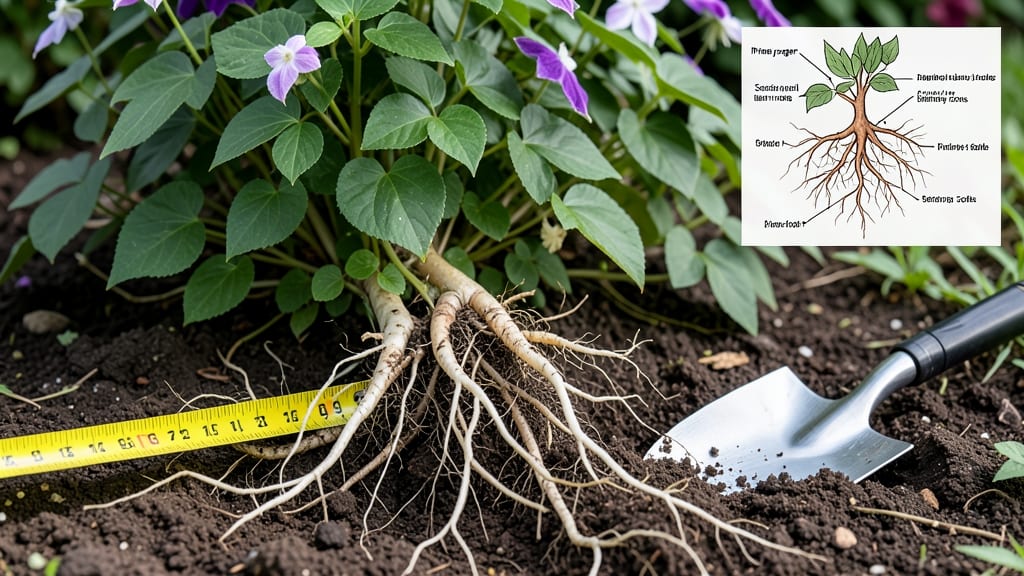
How deep do clematis roots grow? The answer will surprise you—they often stretch 3 to 6 feet underground to anchor the vine and access moisture, far beyond what you’d expect from their delicate blooms.
If you’ve ever wondered why your clematis vine thrives in one spot but struggles in another, the answer lies beneath the soil—its roots can reach depths that surprise even seasoned gardeners. These deep roots explain why proper planting depth and soil conditions are game-changers for long-term health.
Most clematis varieties develop a strong taproot system, meaning the primary root grows straight down while fibrous roots spread out horizontally. This structure makes them resilient but also sensitive to soil compaction or poor drainage—two common mistakes that can stunt growth.
In this guide, you’ll learn how to plant clematis at the right depth, test your soil for ideal conditions, and adjust care based on root habits. Whether you’re a beginner or a veteran gardener, these tips will help your 🌸 clematis thrive for years to come.

Clematis root depth by species: how far underground they spread
Understanding clematis root depth is key to planting success. These vines develop two distinct root systems: a fibrous network for surface absorption and a taproot that anchors them deep. The depth varies dramatically between herbaceous and woody species, influencing everything from water needs to winter survival.
Herbaceous clematis, like Clematis montana or Clematis viticella, typically spread their roots 12-24 inches deep but develop extensive lateral roots within the top 6 inches. Woody varieties, such as Clematis armandii, can send roots 3-4 feet deep in search of moisture, making them far more drought-tolerant once established.
Here’s how root depth impacts your gardening strategy: shallower roots mean more frequent watering, while deeper roots reduce competition with nearby plants. The planting depth of the crown—where stems meet roots—is equally critical, often 2-3 inches below soil to protect from temperature swings.
| Species Type | Root System | Max Depth | Lateral Spread | Planting Tip |
|---|---|---|---|---|
| Herbaceous (e.g., viticella, montana) | Fibrous + shallow taproot | 12-24" | 12-18" | Mulch heavily to retain moisture |
| Woody (e.g., armandii, lanuginosa) | Deep taproot + fibrous | 3-4 ft | 24-36" | Plant near trees for natural shade |
| Large-flowered hybrids | Moderate taproot | 18-30" | 18-24" | Avoid compacted soil near roots |
For herbaceous clematis, the shallow root zone means they’re more sensitive to drought and soil compaction. I’ve found that adding organic matter like compost to the top 12 inches of soil helps these varieties thrive.
Meanwhile, woody clematis can handle drier conditions but may struggle in waterlogged soils where their deep roots suffocate.
When planting, always dig a hole twice as wide as the root ball but only 2-3 inches deeper than the crown. This prevents root exposure during dry spells while allowing the taproot to establish downward pressure.
For heavy clay soils, consider amending the bottom 6 inches with sand or perlite to improve drainage.
Another critical factor is root competition. Woody clematis with deep roots can outcompete nearby plants for water, so I recommend spacing them 6-8 feet from trees or shrubs. Herbaceous types, however, can share space more easily due to their shallower reach.
Seasonal changes also affect root behavior. In spring, new roots grow rapidly, so keep the soil consistently moist but not soggy. By summer, established roots will have spread, reducing your watering frequency.
Always water deeply—aim for 1500ml per plant—to encourage downward growth rather than shallow, thirsty roots.
Pruning practices indirectly influence root health. Deadheading spent blooms redirects energy to root development, while hard pruning in late winter stimulates new root growth. Avoid heavy pruning in fall, as the plant relies on its root system for winter reserves.
If you’re growing clematis in containers, choose pots with drainage holes and a depth of at least 18 inches to accommodate root growth. Use a well-draining potting mix with 30% perlite to prevent root rot, and fertilize lightly every 4-6 weeks during the growing season.
Remember, root depth isn’t just about how far down they go—it’s about creating the right conditions for them to thrive.
Whether you’re dealing with a shallow herbaceous or a deep woody variety, paying attention to soil structure, watering habits, and planting depth will set your clematis up for years of lush growth. 🌿
Optimal planting depth for clematis: soil, climate, and root health
Getting the planting depth right for your clematis is crucial—too shallow and the roots dry out, too deep and they suffocate. Most clematis varieties develop a fibrous root system that spreads 12-18 inches deep and 2-3 feet wide at maturity.
The crown (where stems meet roots) should sit 2-3 inches below soil, but this varies based on your local conditions.
Your soil type plays a starring role here. In sandy soil, roots grow deeper and faster to reach moisture, while clay soil can trap water, causing roots to spread wider but stay shallower.
Climate also matters—dry regions need deeper planting to access groundwater, while humid areas benefit from slightly shallower roots to prevent rot.
⚠️ CALLOUT WARNING
⚠️ Danger Zone: Planting Too Deep
Clematis roots need oxygen and warmth—burying the crown more than 3 inches risks root rot and stem rot. In clay-heavy soils, add organic matter (compost or peat) to improve drainage before planting. Sandy soils? Mix in peat moss to retain moisture.
🌱 Pro Tip: Test drainage by digging a 12-inch hole—if water pools after 30 mins, amend the soil!
For woody clematis (like Clematis montana), aim for a slightly deeper planting—3-4 inches below soil—since their roots establish slower. Herbaceous types (e.g., Clematis viticella) thrive with 2 inches of coverage and benefit from a mulch layer to regulate soil temperature.
Always plant in early spring or fall when roots are active but not stressed.
Climate zones also demand adjustments. In USDA Zones 3-5, deeper planting (3 inches) protects roots from freeze-thaw cycles. Warmer zones (Zones 7-9) can plant shallower (2 inches) to prevent overheating.
Pair this with a support trellis—clematis roots need stability, but stems should climb freely to avoid stress.
Monitor your clematis’s root health by checking for yellowing leaves (overwatering) or wilting despite water (underwatering). If roots are exposed, gently backfill with soil and water deeply. Avoid compacting soil around roots—use a garden fork to loosen earth before planting for better aeration.
Remember, consistent moisture is key. Deep roots mean your clematis will drought-proof itself once established, but young plants need weekly deep watering (1-2 gallons per plant). Mulch with wood chips to lock in moisture and keep roots cool—this is especially critical in hot climates where shallow roots overheat.