
Planting
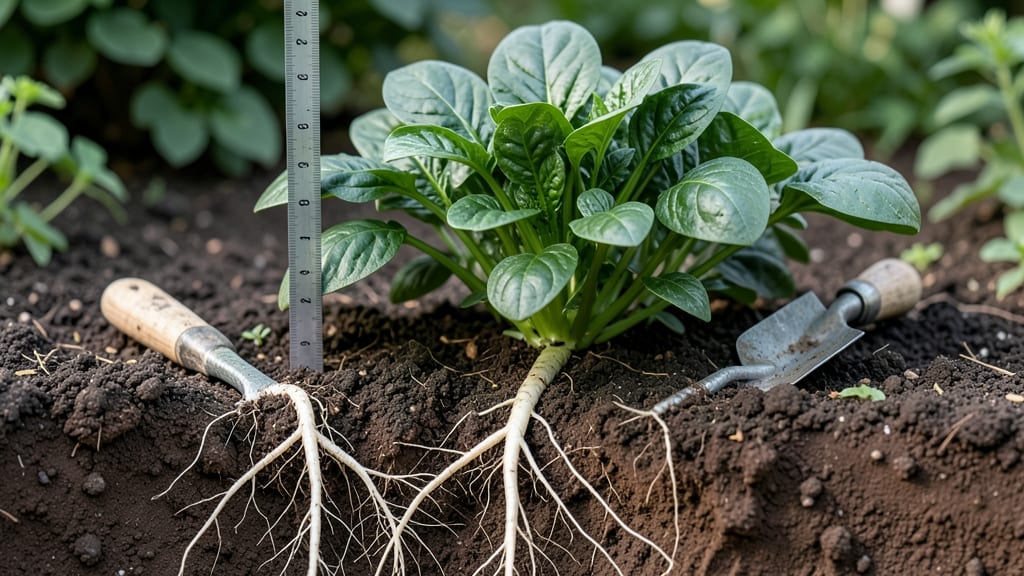
Spinach roots grow to a depth of 6–12 inches 🌱, but planting too deep or shallow can turn your lush greens into bitter disappointment.
Wondering why your spinach keeps bolting before you even harvest it? The answer might lie just beneath the soil—spinach roots are delicate, and planting depth makes all the difference between thriving plants and wasted effort.
Most gardeners overlook how soil structure and spacing impact root growth, but a few simple adjustments—like loosening compacted soil and spacing seeds correctly—can transform your harvest.
In this guide, I’ll break down the ideal planting depth, soil conditions for deeper roots, and the 3 biggest mistakes that stunt spinach growth before it even starts.

Spinach root depth explained: ideal soil depth for maximum growth
Spinach roots are surprisingly shallow compared to other vegetables, typically growing just 4–8 inches deep depending on the variety. This delicate root system means planting depth and soil quality directly impact your harvest.
Too deep, and roots struggle to breathe; too shallow, and they can't anchor properly. Understanding these nuances helps prevent bolting (premature flowering) and ensures tender, flavorful leaves.
Most spinach varieties fall into two root categories: shallow-rooted types like 'Baby's Leaf Hybrid' (4–6 inches) and moderately deep-rooted varieties such as 'Tyee' (6–8 inches). The difference?
Shallow-rooted spinach thrives in loose, well-aerated soil, while deeper-rooted types tolerate slightly denser conditions—but only if properly amended. Soil compaction is the silent killer here; it restricts root expansion and triggers stress responses like bolting.
Here’s the golden rule: plant spinach seeds 0.5–1 inch deep. This shallow placement aligns with their natural growth habits. Use your finger to create a small furrow, drop seeds inside, and cover lightly with soil.
Press gently to ensure contact—roots need moisture and oxygen from the start. Over-deep planting forces seedlings to push harder, delaying growth and increasing bolting risks.
| Spinach Type | Root Depth | Ideal Planting Depth | Soil Needs | Bolting Risk |
|---|---|---|---|---|
| Baby Leaf (e.g., 'Baby's Leaf Hybrid') | 4–6 inches | 0.5 inch | Loose, sandy-loam | High if crowded |
| Savoy (e.g., 'Giant Winter') | 5–7 inches | 0.75 inch | Well-draining, compost-rich | Moderate if dry |
| Flat-Leaf (e.g., 'Tyee') | 6–8 inches | 1 inch | Clay-loam with organic matter | Low with proper care |
| All Spinach Types | 4–8 inches | 0.5–1 inch | pH 6.0–7.0, fertile | High if stressed |
Visualizing spinach roots helps demystify their growth patterns. Imagine a carrot-shaped root zone with a dense network of fine hairs near the surface (the first 2–3 inches). These hairs absorb 90% of water and nutrients, so compacted soil here is disastrous.
Deeper roots (beyond 4 inches) are sparser but provide stability. Loosening the top 6 inches of soil before planting mimics their natural environment and encourages robust growth.
Soil compaction is the arch-nemesis of spinach roots. Walking on garden beds or using heavy tools compresses soil, reducing oxygen levels and forcing roots to grow sideways. To fix this, amend your soil with compost or peat moss before planting.
For container-grown spinach, choose pots with drainage holes and use a lightweight potting mix to prevent root suffocation. Even a 5% increase in soil aeration can double root expansion in the critical first 3 weeks.
Watering technique also plays a role in root depth. Spinach roots are sensitive to drought stress, but overwatering creates anaerobic conditions that stunt growth. Aim for 1–1.5 inches of water per week, delivered in the morning to allow soil to dry slightly between waterings.
Drip irrigation is ideal—it keeps moisture consistent without disrupting the soil structure around delicate roots.
If you’ve ever noticed your spinach leaves turning bitter or developing yellowing edges, it’s often a sign of root stress. Shallow roots can’t access nutrients deep in the soil, leading to deficiencies like magnesium or nitrogen shortages
Common mistakes that stunt spinach growth (and how to fix them)
If your spinach plants look stunted or bolt too quickly, the problem might start with how deep you planted them. Spinach roots typically grow 6–12 inches deep, but planting too shallow or too deep disrupts their ability to anchor properly.
When roots struggle, the plant diverts energy to survival instead of leaf production, leading to bitter leaves or early bolting.
Another silent killer is soil compaction, which restricts root expansion. Compacted soil forces roots to grow sideways, making plants more susceptible to disease and pests. Even well-drained soil can become compacted after heavy rain or foot traffic, leaving your spinach roots gasping for air.
Overcrowding is the third major mistake—when spinach seedlings compete for nutrients and space, they develop weak stems and yellowing leaves. Proper spacing (1–2 inches apart) ensures each plant gets the resources it needs to thrive. Without it, you’ll end up with leggy, underdeveloped greens.
⚠️ Planting Too Deep: The Hidden Spinach Killer
Spinach roots grow only 0.5–1 inch deep at first, but they need room to expand downward as they mature. Planting seeds deeper than 0.5 inches delays germination and suffocates young roots. Worse, over-deep planting forces roots to grow upward in search of oxygen, creating weak, brittle stems that snap easily.
Fix it: Use your finger to create a shallow furrow (0.25–0.5 inches deep). Cover seeds lightly with soil—no more than a sprinkle. For transplants, bury only up to the first true leaves to avoid stem rot.
Poor soil aeration often stems from skipping a crucial step: loosening the soil before planting. Use a garden fork or tiller to break up compacted layers at least 6 inches deep.
This creates channels for roots to explore, improving nutrient uptake and water absorption. Even a simple hand fork can make a difference in small garden beds.
Companion planting is a game-changer for spinach. Pair it with radishes, lettuce, or strawberries to deter pests like flea beetles while improving soil structure. Avoid planting near potatoes or tomatoes, which compete for nutrients and attract similar pests.
Strategic spacing (like alternating rows) also boosts airflow, reducing fungal diseases like downy mildew.
To fix overcrowded spinach, thin seedlings to 1–2 inches apart once they reach 2 inches tall. Use sharp scissors to cut unwanted plants at soil level—this reduces stress on remaining roots.
For container gardening, limit 4–6 plants per 12-inch pot to prevent root competition. Mulch with straw after thinning to retain moisture and suppress weeds.