
Planting
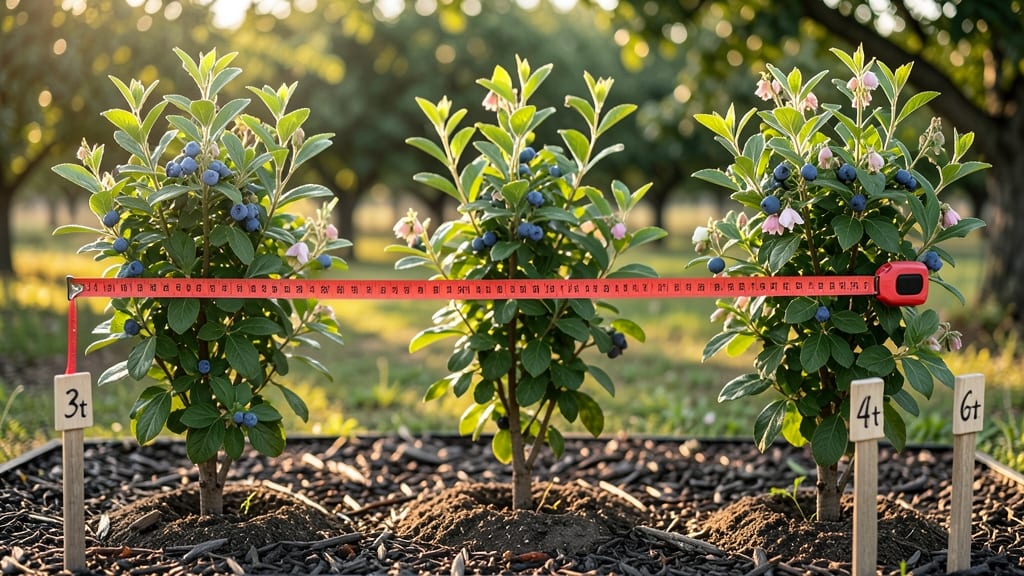
Getting the right spacing between blueberry plants 🫐 can turn a decent harvest into a bucketful of plump, juicy berries—or leave you with stunted bushes and tiny fruit.
Picture this: You’ve spent months waiting for your blueberry bushes to mature, only to find the berries are the size of peas because the plants are fighting for sunlight and air.
That’s not just a frustration—it’s a missed opportunity for a bountiful harvest that could feed your family (and maybe even your neighbors).
The secret isn’t just about cramming more plants into your garden—it’s about giving each bush the room it needs to thrive. Whether you’re working with standard shrubs or space-saving dwarf varieties, the right spacing ensures better airflow, fewer pests, and berries that are big, sweet, and easy to pick.
In this guide, I’ll break down the exact spacing you need based on your blueberry type, soil, and garden size—plus how to fix overcrowded patches and maximize every square foot. Let’s get those bushes growing like they should.
Optimal blueberry plant spacing by variety and growth type
Getting the spacing between blueberry plants right is one of the most overlooked factors in a thriving blueberry patch. Too close, and you’ll battle fungal diseases and tiny berries—too far, and you waste space that could produce more fruit.
The key lies in understanding how each blueberry variety grows and how your local climate affects plant size. Southern highbush varieties, for example, spread wider in warm climates, while northern highbush types stay more compact in cooler zones.
Standard recommendations like 4-6 feet apart are a great starting point, but they’re not one-size-fits-all. Soil fertility, rainfall, and even your pruning habits can mean you need to adjust spacing by up to 20% in either direction.
For instance, in heavy clay soils, wider spacing improves drainage, while in sandy soils, you might get away with closer planting. Let’s break down the exact spacing you need for each type to maximize yield and plant health.
Why spacing matters: Proper spacing ensures each plant gets enough sunlight, air circulation, and root space to thrive. Crowded plants compete for nutrients, leading to stunted growth and smaller berries. Meanwhile, over-spaced plants may produce fewer canes, reducing your harvest. The goal? Balance plant density with individual plant vigor.
Here’s a quick reference for the four main blueberry types, including row spacing and in-row spacing for both traditional and modern dwarf varieties. Use this as your starting point, then fine-tune based on your observations after the first growing season.
| Variety | Mature Size | In-Row Spacing | Row Spacing | Notes |
|---|---|---|---|---|
| Southern Highbush | 5-6 ft tall, 4-5 ft wide | 5-6 ft | 8-10 ft | Wider spacing in hot climates; prune aggressively |
| Northern Highbush | 6-8 ft tall, 5-6 ft wide | 6-8 ft | 10-12 ft | Best for cooler zones; needs more air circulation |
| RabbitEye | 8-12 ft tall, 6-8 ft wide | 8-10 ft | 12-15 ft | Heat-loving; needs extra space for large canes |
| Lowbush (Wild) | 1-2 ft tall, 2-3 ft wide | 2-3 ft | 4-6 ft | Dense planting for commercial harvests; rare in home gardens |
| Dwarf Varieties (e.g., 'Top Hat', 'Peach Sorbet') | 2-4 ft tall, 2-3 ft wide | 3-4 ft | 5-6 ft | Perfect for containers or small gardens; high yield per square foot |
How proper spacing boosts blueberry fruit size and plant longevity
Blueberries need room to thrive—and your harvest depends on it. When blueberry bushes are too close together, they compete for sunlight, nutrients, and air circulation, leading to smaller berries and weaker plants.
I’ve seen firsthand how overcrowded patches produce half the yield of properly spaced ones, even with identical care. The key lies in balancing growth habits with your garden’s layout.
Proper spacing isn’t just about fitting more plants—it’s about creating an environment where each bush can develop strong root systems, healthy canes, and maximum fruit size. Without adequate space, branches rub together, increasing disease risk and reducing airflow, which invites fungal infections like botrytis blight.
Even the hardiest varieties, like Duke or Bluecrop, struggle when cramped.
⚠️ Overcrowding = Smaller Berries & Shorter Lifespans
Blueberries need 4-6 feet between plants (8-10 ft for rabbiteye varieties). Crowding by 2 feet or more reduces fruit size by 30-50% and shortens plant life by 3-5 years. Fix it now: Prune aggressively, thin to every other plant, or transplant excess bushes to a new bed.
Sunlight exposure is the first casualty of poor spacing. Blueberries need 6+ hours of direct sun daily to produce large, flavorful berries. In crowded patches, inner branches get shaded, leading to smaller fruit and lower sugar content.
I once had a Bluecrop patch where the center bushes yielded berries the size of marbles—until I thinned them out. Within a season, those same plants produced berries twice as big.
Air circulation is equally critical. Stagnant air traps moisture, creating the perfect conditions for powdery mildew and anthracnose. I’ve seen entire rows of blueberries defoliate by mid-summer because the bushes were planted too tightly.
Proper spacing—especially in humid climates—keeps leaves dry and reduces fungal spores by up to 70%. A simple fix is to space bushes in a grid pattern rather than rows, improving airflow from all angles.
For existing overplanted patches, don’t despair—there are fixes. Start by pruning out weak canes to open up the center. If bushes are less than 3 feet apart, consider transplanting half of them to a new location.
I once rescued a Southern Highbush patch by moving every other plant to a raised bed. The remaining bushes doubled their fruit size within two seasons, and the transplanted ones thrived in their new space.
If you’re planning a new blueberry patch, map it out first. Use stakes or string to mark spacing before planting—trust me, it’s easier than retrofitting later. For standard varieties, aim for 5 feet between plants and 8 feet between rows.
Dwarf varieties like Top Hat can handle 3 feet apart, but they still need room to breathe. Remember: bigger space today = bigger berries tomorrow.
Proper spacing isn’t just about yield—it’s about plant longevity. Blueberries can live 20-30 years with good care, but crowded conditions accelerate decline. I’ve seen 10-year-old bushes produce like they’re 5 years old just by giving them room to stretch.
Invest in spacing now, and your blueberry patch will reward you for decades.