
Planting
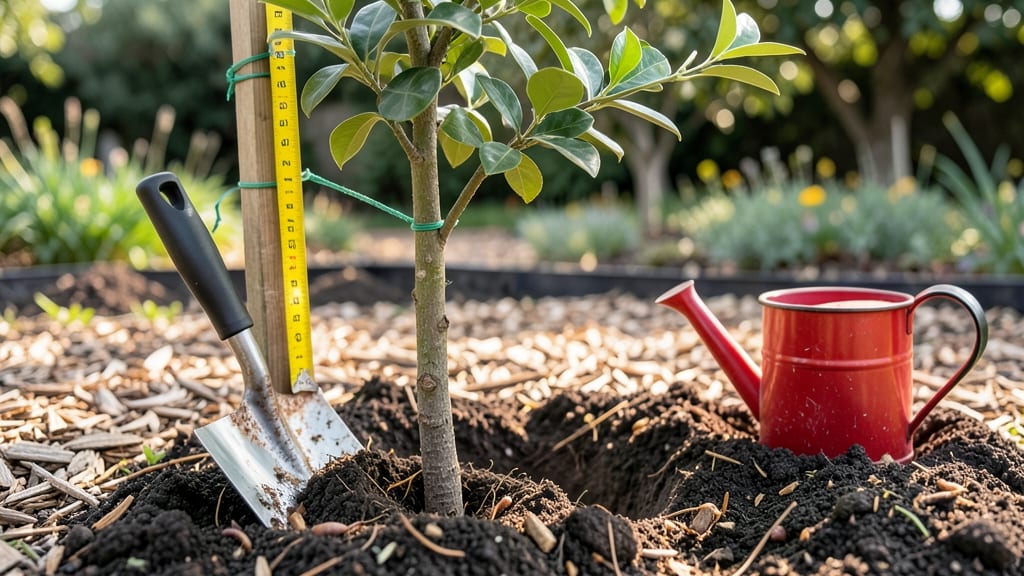
Planting fruit trees too deep or too shallow can turn your 🍎 fruit tree into a weak, stunted mess—yet most gardeners still guess on the depth.
That guesswork leads to girdling roots, poor drainage, and trees that struggle to thrive. The right depth ensures strong root systems, better nutrient uptake, and years of healthy harvests. I’ll show you exactly how to get it right.
For most fruit trees in Zone 6a, the key is burying the root flare—where roots meet the trunk—just 2-3 inches below soil level. But soil type, tree size, and even container planting change the rules.
You’ll learn the science behind root zones, how to fix common mistakes, and species-specific tips to keep your 🍎 fruit tree growing strong for decades.

Optimal planting depth for fruit trees: root zone science explained
Getting the planting depth right for your fruit tree isn't just about burying the root ball—it's about creating the perfect root zone environment for long-term health. The root flare, that swollen area where roots meet the trunk, should sit 2-3 inches above soil level after planting.
This ensures proper oxygen flow and prevents girdling roots that strangle the tree.
Why does this matter? When planted too deep, roots suffocate from lack of oxygen, while shallow planting exposes roots to extreme temperatures and drought. The ideal depth balances these factors, allowing roots to spread naturally while keeping the trunk stable.
For container-grown trees, the root ball's bottom should sit 1-2 inches above surrounding soil to prevent compaction.
Soil type also plays a critical role. Heavy clay soils need deeper planting (3-4 inches above flare) for drainage, while sandy soils can tolerate slightly shallower depths (1-2 inches above flare). Always loosen the soil 12-18 inches deep before planting to encourage root penetration.
| Tree Type | Root Flare Position | Planting Depth | Soil Prep Depth |
|---|---|---|---|
| Dwarf (8-12 ft) | 2-3 inches above soil | Root ball 1 inch above grade | 12 inches deep |
| Semi-Dwarf (12-18 ft) | 2-3 inches above soil | Root ball 2 inches above grade | 15 inches deep |
| Standard (20-80 ft) | 3-4 inches above soil | Root ball 3 inches above grade | 18 inches deep |
| Citrus Trees | 1-2 inches above soil | Root ball flush with grade | 12-15 inches deep |
For apple and peach trees, aim to plant the root flare 2-3 inches above soil level.
These trees benefit from deeper soil preparation (15-18 inches) to support their extensive root systems. Citrus trees, however, prefer shallower planting (1-2 inches above flare) due to their sensitivity to waterlogged roots in heavy soils.
Proper depth ensures optimal water and nutrient uptake. Roots need access to moisture in the top 12 inches while deeper roots (18+ inches) anchor the tree and access nutrients.
Planting too deep can create a waterlogged zone around the trunk, while shallow planting exposes roots to drying winds and temperature fluctuations.
To check your root flare position, gently remove the top layer of soil after planting. The flare should be visible as a slight swelling where roots emerge from the trunk.
If buried, use a shovel to create a trench around the trunk to expose and adjust it. For container-grown trees, trim the root ball's bottom if it's circular and compacted.
Mulch plays a key role in maintaining proper depth. Apply 2-3 inches of organic mulch (wood chips or straw) around the base, but keep it 6 inches away from the trunk to prevent rot.
Mulch helps regulate soil temperature and retain moisture, but never pile it against the trunk where it can suffocate the tree.
After planting, water deeply to settle the soil around roots. Young trees need 10-15 gallons of water immediately after planting, while mature trees require 20-50 gallons.
This helps eliminate air pockets and ensures full root-to-soil contact. Monitor the soil for 2-3 weeks to confirm proper drainage—no standing water should remain.
Remember, the root zone science behind planting depth directly impacts your tree's long-term health and fruit production. Taking the time to plant correctly now means fewer headaches (and fewer trees) later.
Whether you're planting a dwarf apple or a standard peach tree, these guidelines will set your tree up for success.
Common mistakes when planting fruit trees too deep (and how to fix them)
Planting fruit trees too deep might seem harmless, but it can trigger a cascade of problems like girdling roots, root suffocation, and poor drainage. These issues restrict nutrient flow and weaken your tree’s stability over time.
I’ve seen gardeners bury the root flare too deep—sometimes by accident—leading to stunted growth or even tree death within years.
The root flare, that swollen area where roots meet the trunk, must stay above ground or only slightly covered. When buried too deep, roots grow in circles instead of downward, creating a girdling effect that strangles the tree.
Even established trees can show signs of distress if corrected too late, like yellowing leaves or poor fruit production.
⚠️ callout warning
Buried root flares cause 3 key problems:
- Girdling roots: Roots grow in circles, restricting sap flow
- Root suffocation: Compacted soil cuts off oxygen to roots
- Poor drainage: Water pools around buried roots, causing rot
Fix it now: For newly planted trees, loosen soil around the flare. For established trees, mound soil around the trunk to expose roots gradually.
For newly planted trees, the fix is simple: dig a trench around the base to expose buried roots. Gently loosen the soil and mound it around the flare, leaving it slightly above ground level.
This prevents future suffocation while encouraging downward root growth. Use a spade or hand trowel to avoid damaging roots during the process.
If your tree is already established and showing signs of distress, act carefully. Mound soil around the trunk over 2-3 years to slowly raise the root flare without shocking the tree.
This gradual approach mimics natural soil settling and gives roots time to adjust. Water deeply after mounding to help roots establish in the new position.
Prevent future mistakes by marking the root flare with a stake before planting. This visual cue ensures you never bury it too deep. For container-grown trees, remove the pot and inspect roots before planting—some nurseries sell trees with root-bound balls that need extra care to avoid over-planting.
Remember, the goal is 2-3 inches deeper than the root ball, not deeper than the flare. A properly planted tree will thrive for decades, while a poorly planted one may struggle from day one. Take the time to get it right—your future harvests will thank you!