
Planting
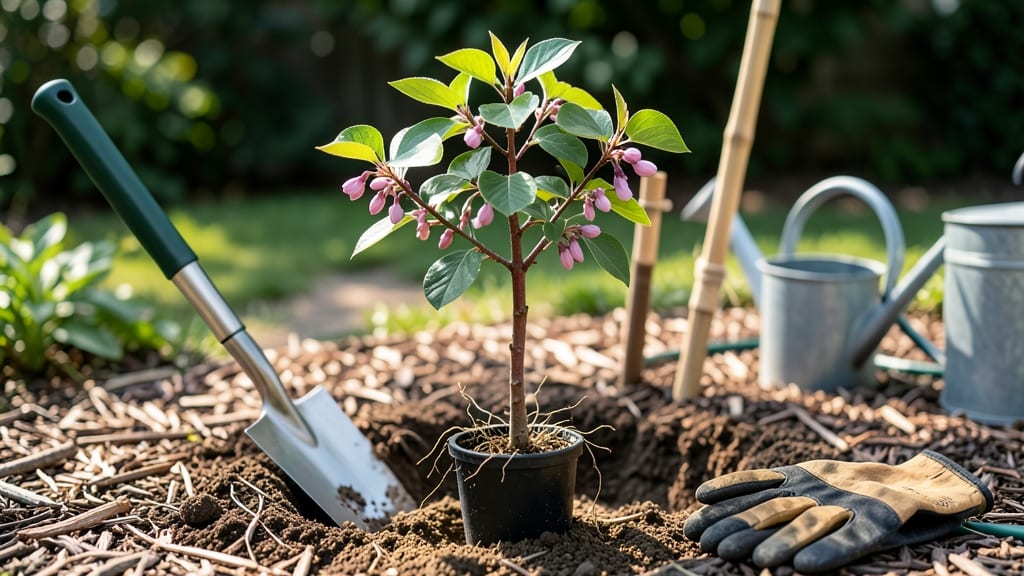
A redbud tree planting guide starts with timing and soil—two factors that make the difference between a vibrant spring display of pink blooms and a struggling sapling.
Picture this: You’ve just planted your redbud tree 🌸, only to watch it wilt under the wrong conditions. The secret? Planting in early spring or fall when the roots can establish before summer’s heat or winter’s chill sets in.
This guide walks you through the best soil prep, ideal planting spots, and the first 30 days of care—so your redbud thrives from day one.
From USDA Zone 3-9 planting tips to avoiding common mistakes, you’ll learn how to set your tree up for decades of stunning spring color.

Best time to plant redbud trees for maximum growth
The redbud tree (Cercis canadensis) thrives when planted during its optimal growth windows, which are early spring or fall. Timing matters because these periods allow roots to establish before extreme weather—whether it's summer heat or winter freeze.
Planting at the wrong time can stunt growth or even kill young trees, so let's dive into the best strategies for your region.
Most gardeners agree that fall planting (4-6 weeks before the first frost) gives redbuds a head start. The cool soil encourages root growth without stressing the tree, while spring planting (after the last frost) ensures warm soil for quick adaptation.
However, your USDA hardiness zone plays a critical role in determining the perfect window.
For USDA zones 4-6, aim for September to early October in fall or April to early May in spring. In zones 7-9, extend your fall window to October-November and spring planting to March-April. These adjustments account for milder winters and longer growing seasons in warmer regions.
Here’s a quick comparison to help you decide between fall vs. spring planting based on your climate:
| Factor | Fall Planting | Spring Planting |
|---|---|---|
| Best For | Zones 4-9 (cooler climates) | Zones 7-9 (warmer climates) |
| Ideal Months | September-October | March-April |
| Soil Temp | 50-60°F (cool) | 60-70°F (warm) |
| Root Growth | Slow, deep establishment | Fast, shallow spread |
| Risk of Stress | Low (tree dormancy) | Moderate (heat/drought) |
| Best For Beginners? | ✅ Yes (less risk) | ⚠️ Needs extra care |
Avoid planting redbuds during summer heat or late winter. Summer stress can dehydrate young roots, while late winter planting exposes them to early spring frosts. If you miss the fall window, wait until spring—just ensure the soil is workable and frost-free for at least 2 weeks.
In USDA zone 4, for example, planting in late April might still risk frost, while zone 9 gardeners can plant as late as November. Always check your local frost dates to time it right.
Pro tip: Use a soil thermometer to confirm temperatures are ideal—50°F or warmer for spring, 60°F or cooler for fall.
One common mistake is planting bare-root redbuds too early in spring. These trees need moisture to rehydrate their roots, so soak them for 1-2 hours before planting.
Another error is skipping soil amendments—redbuds prefer well-draining, slightly acidic soil (pH 6.0-7.0). Test your soil and adjust with compost or peat moss if needed.
If you’re in a drought-prone area, prioritize fall planting. The tree will establish roots before summer droughts hit. In contrast, humid climates (like zones 7-9) benefit from spring planting to avoid fungal diseases that thrive in wet fall soils.
Always mulch around the base to retain moisture and regulate soil temperature.
Remember, redbuds are fast growers when planted correctly. With the right timing, you’ll see 2-4 feet of growth in the first year and 6-10 feet by year two. That’s why nailing the planting season is your first step to a stunning spring display of magenta blooms!
Soil preparation & planting location secrets for healthy redbud trees
Choosing the right planting location and preparing the soil properly sets your redbud tree up for decades of stunning spring blooms.
These trees thrive in well-draining soil with a slightly acidic to neutral pH, but many gardeners accidentally plant them in compacted or waterlogged spots—leading to root rot or poor growth. Let's fix that with my proven soil prep and location secrets.
Redbuds need 6+ hours of sunlight daily for optimal bloom production, but they also tolerate partial shade in hotter climates. The key is avoiding low-lying areas where cold air pools, which can damage tender roots.
I’ve planted redbuds in everything from sunny borders to dappled woodland edges—here’s how to pick the perfect spot for your climate.
| Factor | Ideal Condition | How to Achieve |
|---|---|---|
| Soil pH | 6.0-7.0 (slightly acidic to neutral) | Test soil with kit; amend with lime (raise pH) or sulfur (lower pH) |
| Drainage | Well-draining (avoid clay or waterlogged) | Add 2-3 inches of compost + perlite to heavy soil |
| Sunlight | Full sun (6+ hours) to partial shade | South or west-facing spots work best; avoid deep shade |
| Spacing | 15-25 feet apart (mature size) | Check variety—dwarf types need only 10-12 feet |
| Soil Amendments | Organic matter-rich | Mix in 3-4 inches of compost + aged manure |
If your soil tests too acidic (below 6.0), I recommend adding pelletized lime at a rate of 5 lbs per 100 sq ft. For clay-heavy soil, blend in coarse sand or perlite to improve drainage—this prevents the dreaded root rot that often plagues redbuds in poorly drained areas.
I’ve seen redbuds in amended clay soil thrive just as well as those in native loam!
When selecting a planting location, avoid spots where water pools after rain. The root flare (where roots meet the trunk) should sit 1-2 inches above ground level—burying it too deep suffocates the tree.
For urban gardens, I often plant redbuds near patios where they get morning sun but afternoon shade from buildings.
Proper spacing between trees prevents future crowding and disease spread. Standard redbuds need 20-25 feet of clearance, while dwarf varieties can manage with 10-12 feet.
I once planted two redbuds 15 feet apart—by year 5, their canopies were touching, creating a dense privacy screen but also inviting powdery mildew from poor airflow.
For container planting, use a pot at least 24 inches wide and deep with drainage holes. Fill with a mix of 50% potting soil, 30% perlite, and 20% compost. Remember to water containers twice weekly in summer—they dry out faster than in-ground plantings.
With the right soil prep and location, your redbud will reward you with vibrant pink blooms for decades to come. 🌸