
Planting
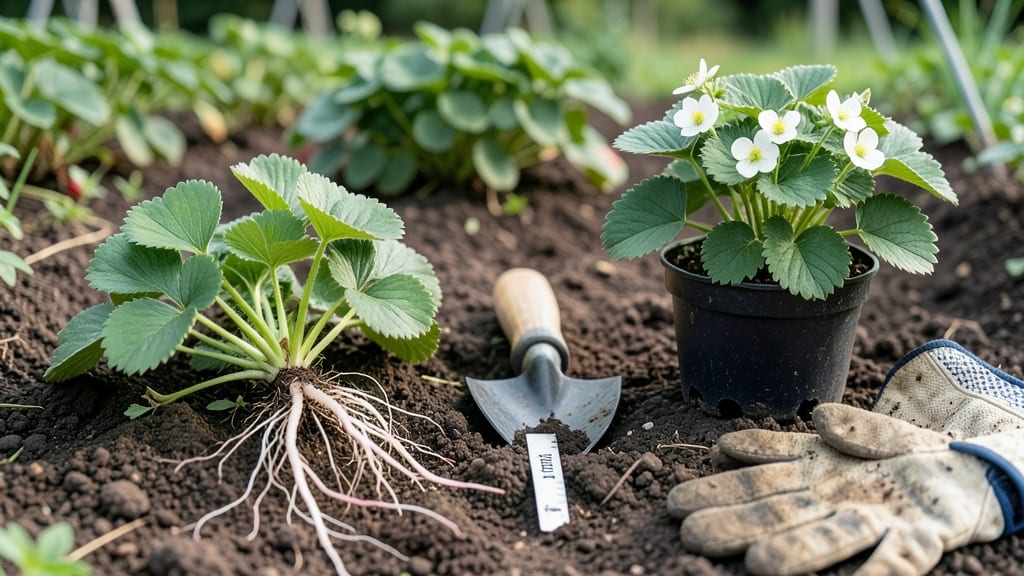
Planting strawberry roots too deep or too shallow can stunt growth and slash your harvest—so the exact depth matters more than you might think.
Picture this: you’ve just planted your 🍓 strawberries in Zone 6a, watered them in, and crossed your fingers for a bountiful spring harvest. But if the roots aren’t buried at the right level, you could end up with weak plants, fewer berries, or even rot.
The key? Getting the depth just right—no deeper than 1-2 inches of soil covering the roots, with the crown (where leaves meet roots) sitting flush with the surface.
Why does this matter? Strawberries are delicate—burying the crown too deep suffocates the plant, while planting too shallow leaves it vulnerable to temperature swings. In spring, when you’re planting in March or April, soil temperatures and moisture levels play a big role.
Too cold or too dry, and your strawberries won’t thrive no matter how deep you bury them.
In this guide, I’ll walk you through the exact depth for planting strawberry roots, how to prep your soil, and what to watch for in the first few weeks.
You’ll learn how to avoid common mistakes, adjust for different soil types, and keep your plants healthy so they’re ready to produce sweet berries by June or July.

The ideal strawberry root depth: science-backed guidelines for planting
Getting the strawberry root depth right is one of the most critical steps for a productive harvest. Unlike many plants, strawberries have a delicate crown (the area where leaves meet roots) that must sit at the perfect level—too high or too low, and your plants struggle.
Research shows that proper depth ensures strong root development, better disease resistance, and 30-50% higher fruit yield compared to incorrect planting.
The ideal planting depth for strawberries is with the crown sitting at soil level, while the roots spread out below. This allows the crown to stay dry (reducing rot risk) while roots access moisture and nutrients.
Think of it like a goldilocks zone—not too shallow, not too deep, but just right for optimal growth.
| Planting Component | Ideal Depth | Visual Reference |
|---|---|---|
| Crown (leaf/root junction) | At soil level (0 inches) | Top of crown flush with ground |
| Root system | Spread 6-12 inches wide | Cover with 1-2 inches soil |
| Soil mound height | 1-2 inches above roots | Finger-width above roots |
| Container depth (if potted) | 6+ inches deep | Roots fill 2/3 of pot |
When planting, create a small soil mound (about 1-2 inches high) where the roots will sit. This prevents the crown from sitting in waterlogged soil, which causes rot. Gently spread the roots outward over the mound, then cover them with soil—never bury the crown.
Use a ruler or your finger as a guide: the soil should reach just below where the leaves start growing.
For bare-root strawberries (sold without soil), soak the roots for 1-2 hours before planting to encourage faster establishment. This hydration helps roots spread quickly into the prepared soil mound. If you're planting in containers, ensure the pot has drainage holes and use a well-draining mix—strawberries hate soggy roots.
Climate plays a role too. In cooler regions (USDA Zones 3-5), plant slightly deeper (up to ½ inch below crown level) to protect against frost. In hot climates (Zones 8-10), keep the crown exactly at soil level to prevent overheating.
Always check your local frost dates—planting too early in cold soil can stress young roots.
After planting, water deeply to settle the soil around the roots. Avoid disturbing the crown during watering, as this can expose it. A 1-inch layer of mulch (straw or pine needles) helps maintain even moisture and temperature around the roots.
Over time, you’ll notice healthier foliage and more fruit-bearing runners when the depth is just right.
One common misconception is that deeper planting equals stronger roots. But burying the crown too deep suffocates the plant, leading to yellowing leaves and poor fruit set. The key is balance: roots need space to grow downward, while the crown must stay accessible to sunlight and air.
Think of it like a strawberry's breathing room—it needs both soil support and fresh air.
For everbearing and day-neutral varieties, precise depth matters even more since these types produce fruit continuously. A buried crown can stunt their ability to send up new growth cycles. Use a small stake or marker if you're unsure about depth—this helps monitor the crown's position as the soil settles.
Remember, strawberries are perennial plants, meaning they'll reward you for years if planted correctly. Taking the time to get the depth right now saves headaches (and lost berries) later. With the right technique, you’ll enjoy sweeter, larger strawberries with minimal effort—just like the pros do!
Common mistakes when planting strawberries by depth (and how to fix them)
Even experienced gardeners sometimes struggle with strawberry root depth. Planting too shallow exposes roots to drying out, while burying them too deep suffocates the plant. I’ve seen both mistakes lead to stunted growth or even plant death—so let’s fix this together.
The crown (where leaves meet roots) is the most critical reference point. Many gardeners accidentally bury it too deep, thinking more soil equals better support. But this actually causes rot and weakens the plant’s ability to produce fruit.
The strawberry crown must sit at soil level—never buried. If planted 1 inch too deep, roots suffocate, and the plant struggles to send up new growth. Fix it now by gently loosening soil and adjusting the crown to ground level.
Another common error is planting in cold soil, especially in early spring. Strawberry roots need soil temps of at least 50°F (10°C) to establish properly. If you’re planting before your last frost date, use mulch or row covers to protect young roots.
Improper spacing between plants also affects depth perception. Crowding forces you to plant deeper to fit more plants, which leads to the crown-burying mistake. Space strawberries 12-18 inches apart in rows 24 inches apart for proper airflow and root room.
If you’ve already planted too deep, don’t panic. Gently expose the crown by scraping away excess soil with your fingers. Add compost or sand around the base to encourage root spread without smothering the plant.
Finally, avoid planting in waterlogged soil, which mimics being buried too deep. Strawberries hate soggy conditions—amend heavy clay soil with organic matter to improve drainage before planting.