
Planting
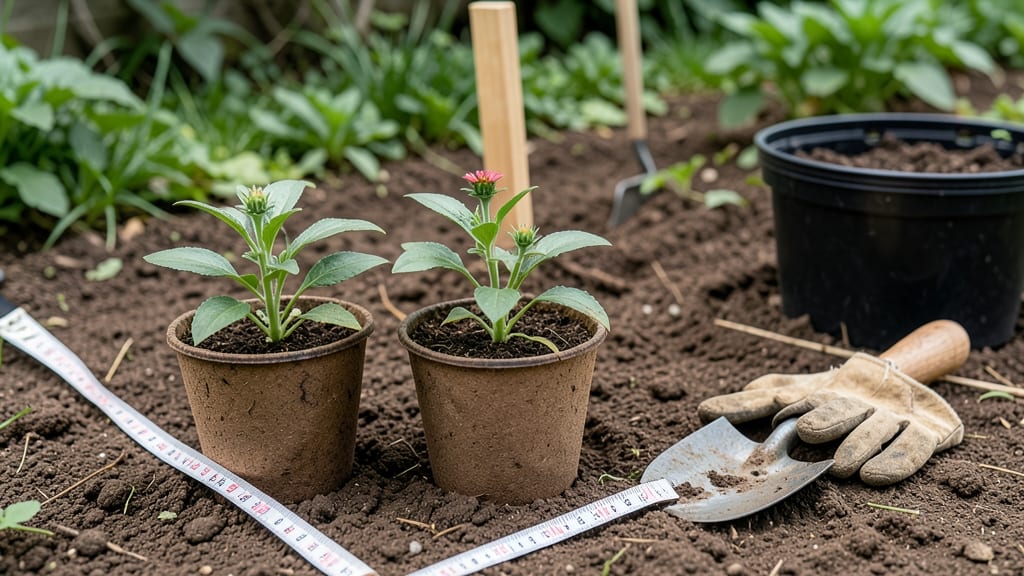
To plant zinnias properly, how far apart should zinnias be planted—this is the question that determines whether they’ll thrive or struggle. Spacing them 6–12 inches apart keeps them healthy, prevents overcrowding, and ensures maximum blooms all season.
Struggling to get your zinnias to grow lush and bloom abundantly? The secret might be hiding in your spacing—plant them too close, and you’ll sacrifice airflow and health; too far apart, and you’ll waste space. Here’s the science-backed guide to spacing zinnias for the bushiest, most vibrant garden display.
Zinnias thrive in full sun and well-draining soil, but proper spacing is the key to preventing disease and encouraging strong stems. Whether you’re growing dwarf varieties or towering giants, getting this right means fewer pests, better airflow, and longer-lasting flowers.
Below, I’ll break down the exact spacing for different zinnia types, common mistakes to avoid, and pro tips for high-yield gardens—so you can enjoy a burst of color from June through October.
Optimal zinnia spacing by variety: tall, medium, and dwarf types explained
Zinnias are sun-loving annuals that thrive when given the right space to grow. Proper zinnia spacing ensures strong stems, abundant blooms, and better air circulation to prevent diseases.
The key is matching your zinnia variety to its mature size—tall types need more room, while dwarf varieties can be planted closer together. Let’s break down the exact spacing for each type to maximize your garden’s beauty.
Most gardeners make the mistake of planting zinnias too closely, thinking more plants mean more flowers. But overcrowding leads to weak stems, fungal issues, and fewer blooms. The solution?
Follow the spacing guidelines below, tailored to your zinnia’s height at maturity. Whether you’re growing tall zinnias for cut flowers or dwarf zinnias for borders, precision spacing makes all the difference.
| Variety Type | Mature Height | Spacing (Inches) | Rows Apart (Inches) | Best For |
|---|---|---|---|---|
| Tall (Standard) | 2–4 ft | 12–18 in | 18–24 in | Cut flowers, back of borders |
| Medium (Semi-Dwarf) | 1–2 ft | 8–12 in | 12–16 in | Borders, containers, mixed beds |
| Dwarf | 6–12 in | 6–8 in | 8–12 in | Edging, window boxes, fairy gardens |
📏 Pro Tip: Use a spacer tool or planting grid for precision—it saves time and ensures consistency!
For tall zinnias (like ‘Benary’s Giant’ or ‘State Fair’), aim for 12–18 inches apart in rows spaced 18–24 inches apart. This gives them room to develop thick stems and support their own weight, especially when laden with blooms.
If you’re growing zinnias for cut flowers, wider spacing also makes harvesting easier and reduces damage to neighboring plants.
Medium-height zinnias (such as ‘Crystal’ or ‘Profusion’) strike a balance. Space them 8–12 inches apart in rows 12–16 inches apart. This works perfectly for border plantings or container gardens, where you want a dense but manageable display.
These varieties often produce more blooms per stem, so closer spacing can still yield great results without overcrowding.
Dwarf zinnias (like ‘Thumbelina’ or ‘Crystal Red’) are the space-savers of the group. Plant them 6–8 inches apart in rows 8–12 inches apart. They’re ideal for edging pathways, window boxes, or fairy gardens where every inch counts. Dwarf varieties also make excellent companion plants for shorter perennials or ground covers, adding a splash of color without stealing their space.
One common question is whether zinnia spacing changes based on your garden layout. In raised beds, you can plant slightly closer (e.g., 6 inches apart for dwarf varieties) because the soil drains better and reduces competition.
However, avoid packing them in—even dwarf zinnias need airflow to stay healthy. In containers, use one plant per 6-inch pot for dwarf types or one per 12-inch pot for medium varieties.
Another factor to consider is your climate zone. In hot, dry regions (like USDA Zones 8–10), zinnias appreciate the extra space to reduce moisture stress.
In cooler climates (Zones 3–6), slightly tighter spacing can help retain soil moisture, but avoid going below the recommended distances to prevent powdery mildew from spreading.
If you’re succession planting zinnias for continuous blooms, stagger your spacing slightly. Plant the first row at the recommended distance, then offset the next row by 6 inches to create a staggered pattern. This not only saves space but also extends your blooming season by up to **4–
Common zinnia spacing mistakes that stunt growth (and how to fix them)
Even the hardiest zinnias can struggle when planted too closely together. Poor spacing leads to nutrient competition, reduced airflow, and increased disease risk—all of which can leave your plants stunted and sparse.
I’ve seen gardeners waste hours tending to crowded zinnias only to watch their blooms fail to thrive. The good news? Fixing spacing issues is simple once you know the warning signs.
One of the most common mistakes is assuming "more plants = more flowers." In reality, overcrowded zinnias spend energy competing for water and nutrients instead of producing vibrant blooms.
Another frequent error is planting tall varieties too close to dwarf types, creating an uneven canopy that blocks sunlight from reaching lower leaves. Let’s tackle these issues head-on with actionable fixes.
⚠️ WARNING: ZINNIA SPACING MISTAKES YOU'RE MAKING
Planting too close (under 6 inches) causes powdery mildew and stunted growth. Tall zinnias need 12–18 inches apart, while dwarf varieties thrive at 6–12 inches. Check your spacing now—if plants touch at maturity, they’re too close!
If your zinnias are already crowded, thinning is your first step. Use clean pruners to snip plants at soil level, leaving the strongest stems. For tall zinnias, aim to space them 12–18 inches apart—this prevents them from flopping over and blocks sunlight from reaching lower leaves.
For dwarf varieties, 6–12 inches is ideal, as they benefit from air circulation to prevent fungal diseases like powdery mildew.
Another fix is pruning for airflow. Trim back overgrown foliage to create gaps between plants, even if you can’t thin them immediately. This simple step improves air circulation and reduces humidity around leaves, cutting down on mildew risks.
I’ve seen zinnias rebound dramatically after just a few strategic prunes—sometimes within days!
For preventative care, consider succession planting instead of sowing all seeds at once. Stagger your plantings every 2–3 weeks to ensure zinnias never get overcrowded. This also extends your blooming season by providing a steady supply of fresh flowers.
Plus, it’s a great way to fill gaps left by spent zinnias naturally.
Don’t forget to monitor your zinnias for stress signals. Yellowing leaves, slow growth, or excessive wilting are red flags that your spacing (or watering) needs adjustment. If you spot powdery mildew (a white, powdery coating on leaves), thin immediately and apply a neem oil spray to protect remaining plants.
With the right spacing, your zinnias will reward you with bold blooms and healthy foliage all season long. Start by assessing your current plant layout, then thin or prune as needed. Your future self—and your zinnias—will thank you! 🌼