
Planting
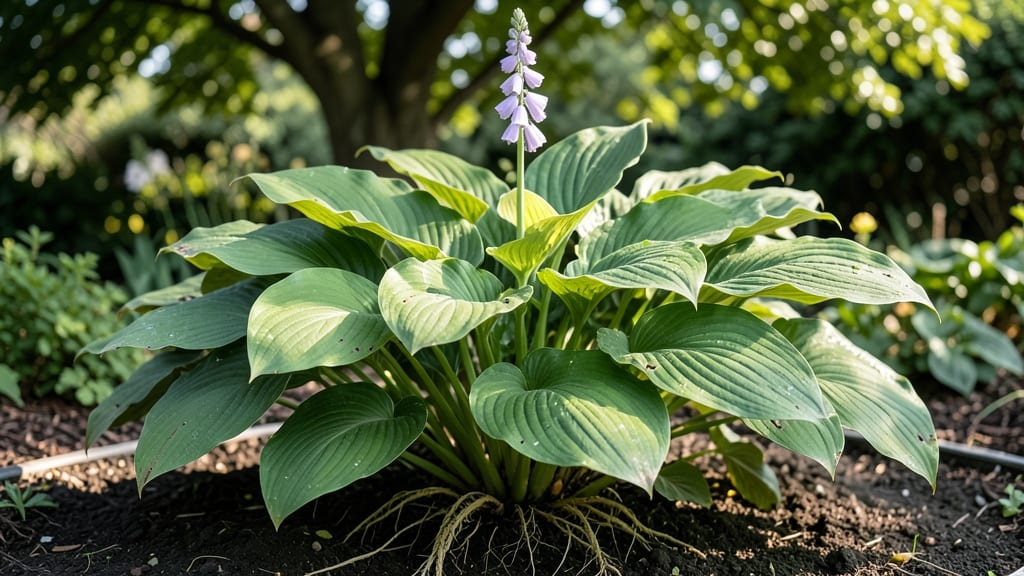
Growing hostas from seed to their stunning mature size takes 3 to 5 years—but with the right care, you can speed up the process and enjoy their lush foliage sooner.
If you've ever planted hostas 🌿 only to watch them creep along at a snail's pace, you're not alone. The key to faster growth lies in understanding their natural timeline, from those first fragile seedlings to the bold, shade-loving giants they become.
Most gardeners expect hostas to reach their full size in about 3 years, but factors like soil quality, sunlight, and watering habits can push that timeline to 5 years or even shorten it.
In this guide, we'll break down each growth stage, so you know exactly what to expect—and how to help your hostas thrive faster.
You'll learn when to expect blooms, how to tell if your plants are established enough for division, and the simple adjustments that make all the difference between a slow-growing hosta and one that's ready to take center stage in your garden.

Hostas growth timeline: from seed to established plant in 3-5 years
Hostas are the patient gardener's dream—transforming from delicate seedlings into bold, textured foliage over 3-5 years. While some varieties mature faster, understanding each growth stage helps you anticipate milestones like first leaves, establishment, and full maturity.
Whether you're starting from seeds or transplanting young plants, timing matters for healthy development.
From the moment you plant hosta seeds or divide mature clumps, growth follows predictable patterns influenced by climate, soil conditions, and care practices. In cooler zones like USDA Zone 6a, hostas often take slightly longer to mature compared to warmer regions.
Let’s break down the year-by-year journey so you can set realistic expectations and optimize growth.
| Stage | Timeframe | Key Actions | Size |
|---|---|---|---|
| Seed Germination | 4-8 weeks | Sow seeds in spring; keep soil moist and warm | 0.5-2 inches |
| Seedling Stage | First growing season | Transplant seedlings to garden; provide partial shade | 6-12 inches |
| Year 1 Establishment | End of first year | Focus on root development; mulch to retain moisture | 12-24 inches |
| Year 2 Growth | Second growing season | Begin light fertilization; monitor for pests | 18-36 inches |
| Year 3 Maturity | Third growing season | Divide if overcrowded; enjoy full foliage | 2-3 feet |
| Established Plant | Years 4-5+ | Maintain care; may produce flowers | Mature size (1-3 feet) |
In the first year, hostas focus on developing roots rather than foliage. If you start with seeds, germination typically takes 4-8 weeks in warm soil, with seedlings reaching 6-12 inches by fall. Transplanting young hostas in spring gives them a head start, but avoid disturbing roots during establishment.
By Year 2, your hostas will show noticeable growth, often doubling in size if given partial shade and moist, well-draining soil. This is when you’ll see their true colors and textures emerge.
Varieties like 'Blue Angel' or 'Francee' may already display their signature hues, while others take until Year 3.
Most hostas reach maturity by Year 3, producing their full-sized leaves and becoming established perennials. At this stage, they’ll spread via rhizomes, and you might need to divide clumps every 3-5 years to maintain vigor.
This is also when you’ll likely see flower spikes, though many gardeners remove them to encourage foliage growth.
After reaching maturity, hostas enter a phase of maintenance care. In Years 4-5, they’ll continue growing but at a slower rate. Proper mulching, occasional fertilization, and pest control ensure they thrive for decades.
Some varieties, like 'Sum and Substance', may take longer to reach their full 3-foot height, while dwarf types like 'Pandora' mature in just 2 years.
Climate plays a huge role in growth speed. In warmer zones (USDA 7-9), hostas often mature 1-2 years faster than in cooler regions. For example, a 'Halcyon' hosta might reach 2 feet by Year 2 in Zone 8 but take until Year 3 in Zone 5.
Always check your local last frost date to time planting correctly.
One common misconception is that hostas grow quickly—many gardeners are surprised to learn they’re slow to establish compared to annuals. Patience pays off, though! Providing consistent moisture and protection from harsh afternoon sun accelerates early growth. Avoid over-fertilizing in the first year, as this can lead to weak stems.
If you’re dividing hostas to propagate new plants, the smallest divisions (with at least 1-2 leaves) take 2 years to mature, while larger divisions grow faster. This is a great way to expand your collection without waiting for seeds to germinate. Just ensure
Factors that speed up or slow down hosta growth (and how to optimize them)
Hostas grow at their own pace, but the right conditions can turn a 3-year journey into a 2-year showstopper. As someone who's watched hostas go from 6-inch seedlings to 3-foot giants, I know the difference between ideal care and missed opportunities.
The key lies in understanding what your hostas truly need to thrive—not just survive.
From soil quality to sunlight exposure, every factor plays a role. Even watering habits and fertilization timing can either accelerate growth or leave your plants struggling. Let’s break down the biggest influences and how to optimize them for faster, healthier hostas that’ll impress your neighbors.
Factors That Impact Hosta Growth Speed
✅ Speed Up Growth
- Rich soil (add compost)
- Partial shade (4-6 hours)
- Consistent moisture (1-2 inches/week)
- Spring feeding (balanced fertilizer)
- Proper spacing (12-24 inches apart)
⚠️ Slow Down Growth
- Poor drainage (root rot risk)
- Full sun exposure (leaf scorch)
- Inconsistent watering (stress)
- Over-fertilizing (burns)
- Crowding (competition)
"The difference between a 2-year and 4-year hosta often comes down to these simple adjustments."
Let’s start with soil quality, the foundation of fast hosta growth. Hostas thrive in moist, well-draining soil rich in organic matter. Amend your garden beds with compost or aged manure before planting to give roots the nutrients they crave.
I’ve seen hostas double in size within a season when planted in amended soil compared to average garden dirt.
Next, sunlight exposure makes all the difference. While hostas tolerate partial shade, too much direct sun can slow growth by causing leaf burn. Aim for 4-6 hours of filtered light daily, especially in hotter climates.
In my Zone 6a garden, I place hostas near trees or on the east side of the house for perfect conditions.
Watering habits often make or break hosta growth. These plants need consistent moisture but hate soggy roots. Water deeply 1-2 times per week, ensuring the top 2 inches of soil stay damp.
I use a soaker hose to deliver water slowly at the base, which mimics natural rainfall and prevents fungal issues.
Finally, fertilization timing can supercharge growth when done right. Feed hostas in early spring with a balanced 10-10-10 fertilizer to support new foliage. Avoid summer feeding—it can lead to leaf burn as plants enter dormancy.
My annual spring feeding routine has helped hostas reach maturity 1 year faster than unfertilized plants.
By focusing on these four factors—soil, sunlight, water, and fertilizer—you’ll create the perfect environment for your hostas to grow like they’re in a greenhouse. The payoff? Lush, vibrant foliage that’ll make your garden the envy of the neighborhood in record time.