
Planting
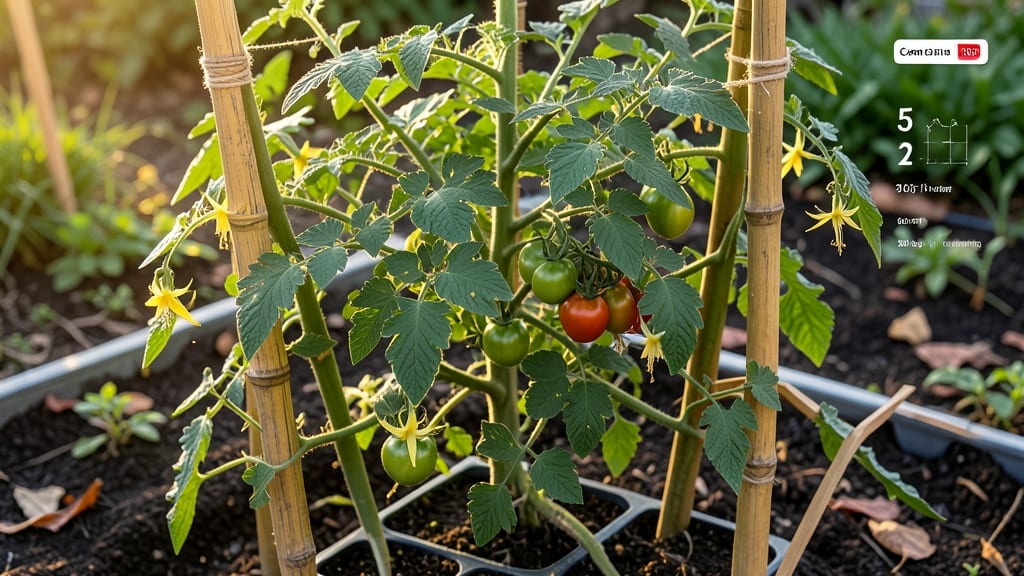
Growing tomatoes from seed to harvest takes how long till tomatoes grow about 60 to 85 days—but that timeline can shift dramatically depending on whether you start with seeds or seedlings, your climate, and a few simple growing habits you might miss.
Picture this: You plant your 🍅 seedlings in early May, dreaming of summer salads, only to watch the heat of July arrive before a single tomato ripens. That’s the reality for many gardeners who don’t account for the critical factors that speed up or slow down growth.
In this guide, we’ll break down the exact stages of tomato growth—from germination to harvest—so you can plan your planting window with confidence. Whether you’re growing in containers or in-ground, we’ll show you how to shave weeks off your wait time.
You’ll also learn how to spot the signs of a delayed harvest (and how to fix it) so you’re not left staring at green tomatoes in September. Ready to turn those 60-day varieties into reality? Let’s get started.

Tomato growth timeline: seed vs seedling planting for faster harvests
If you're planning your tomato garden this year, timing is everything. The difference between starting from seeds and seedlings can mean the difference between summer harvests and waiting until fall.
On average, tomatoes grown from seedlings reach maturity in 60-75 days, while those started from seeds take 70-85 days. That may seem like a small window, but it can make or break your garden planning—especially if you're aiming for early harvests.
Let's break down the tomato growth timeline stage by stage, so you can choose the method that fits your garden schedule and climate conditions. Whether you're a first-time gardener or a seasoned pro, understanding these milestones will help you optimize your planting strategy for the fastest, most abundant harvest.
| Growth Stage | Days from Seed | Days from Seedling | Key Tasks |
|---|---|---|---|
| Germination | 5-14 days | N/A | Keep soil warm (70-85°F) and moist |
| Seedling Stage | 14-30 days | 0 days | Provide 12-16 hours of light daily |
| Transplanting | 30-45 days | 7-14 days after purchase | Hardening off seedlings for 7-10 days |
| Establishment | 45-60 days | 14-30 days | Ensure 6+ hours of sunlight daily |
| Flowering | 60-70 days | 45-60 days | Begin regular fertilization (every 4-6 weeks) |
| Fruiting | 70-85 days | 60-75 days | Prune suckers and support vines if needed |
The first critical stage is germination, which typically takes 5-14 days when starting from seeds. To speed this up, maintain soil temperatures between 70-85°F and keep the soil consistently moist but not soggy.
If your seeds take longer than two weeks to sprout, they may need warmer conditions or better moisture retention. A simple seedling heat mat can work wonders in cooler climates.
Once your tomato seedlings emerge, they’ll enter the seedling stage, which lasts about 14-30 days. During this time, seedlings need 12-16 hours of light per day to prevent legginess. If you're growing indoors, supplement with grow lights to ensure strong, sturdy plants.
This stage is where many gardeners make the mistake of overwatering, which can lead to damping-off disease. Always water at the soil level and avoid getting foliage wet.
If you're starting from seedlings, you can skip the germination phase entirely and jump straight to transplanting. However, it’s essential to harden off your seedlings for 7-10 days before planting them outdoors.
This means gradually exposing them to outdoor conditions, including sunlight, wind, and temperature fluctuations. Skipping this step can shock your plants and set back their growth by 1-2 weeks.
After transplanting, your tomatoes will enter the establishment phase, where they focus on root growth and foliage development. This stage is crucial for setting the foundation for fruit production. Ensure your plants receive 6+ hours of direct sunlight daily and maintain consistent moisture.
Mulching around the base of your plants can help retain soil moisture and regulate temperature, which is especially important in hot climates or during drought conditions.
Around 60-70 days from seed (or 45-60 days from seedling), your tomatoes will begin flowering. This is an exciting milestone! To encourage robust flowering and fruit set, start applying a balanced fertilizer every 4-6 weeks.
Pay attention to the temperature during this phase—tomatoes prefer daytime temperatures between 70-85°F and nighttime temperatures above 55°F. If temperatures drop below these ranges, flowering can be delayed or even halted.
Finally, the fruiting stage begins,
5 Factors that speed up or slow down tomato growth (and how to optimize them)
Growing tomatoes is one of my favorite garden projects, but even the most enthusiastic gardeners can get frustrated when their plants grow slower than expected. The good news? Most delays come from just five key factors—and optimizing them can shave weeks off your harvest time.
Let’s break down what controls your tomato’s growth speed and how to give your plants the perfect conditions.
From the moment you plant your seeds or seedlings, your tomatoes are racing against time—and these growth variables determine whether they’ll reach maturity in 60 days or drag out to 90+ days.
The difference often comes down to small adjustments in care that make a big impact. Ready to speed up your harvest? Let’s dive into the factors that matter most.
Now that you know the top five growth controllers, focus on one area at a time. Start with soil warmth and sunlight—these two alone can cut weeks off your timeline.
For example, my cherry tomato plants in raised beds (with heated soil) produced fruit 12 days earlier than my in-ground varieties last season. Small tweaks lead to big rewards!
Pro tip: Keep a growth journal to track which factors work best in your garden. Note soil temps, rainfall, and pest outbreaks—this data will help you fine-tune next year’s harvest. The faster you optimize these variables, the sooner you’ll be enjoying homegrown tomatoes straight from the vine. 🍅