
Planting
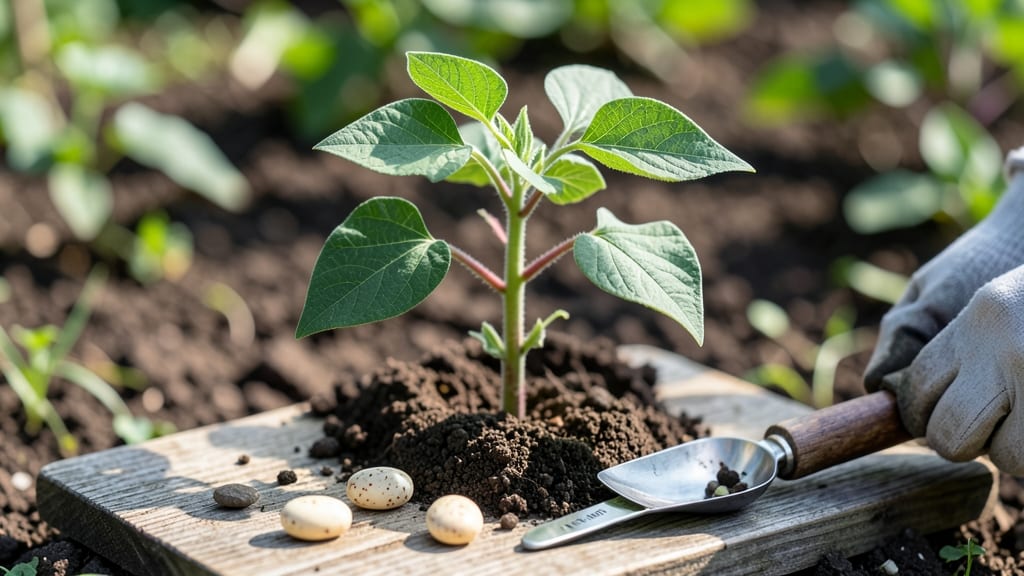
Planting two seeds in one hole isn't just tradition—it's a foolproof way to guarantee at least one strong plant. 🌱 I learned this the hard way after thinning dozens of seedlings, so I'm sharing the exact spacing rules that save time and stress while ensuring healthy starts.
The secret lies in seed size and plant habits: tiny radish seeds need 3-4 per hole, while large beans only need 1-2. Crowding forces competition, but proper spacing gives roots room to establish before thinning.
Most seedlings can handle light competition until they're 2-3 inches tall, when you'll want to keep the strongest one. By the time you're harvesting, you'll have uniform, vigorous plants instead of leggy survivors.
The right spacing also prevents disease spread and makes weeding easier—no more fighting for every inch of soil. Works for everything from lettuce to sunflowers. Here’s how to adapt the method for your garden!
The Hidden Factors Behind Seed Crowding
Ever wondered why your carefully planted seeds sometimes struggle to grow, even when you follow the basic rules? The answer lies in the unseen science behind seed spacing—and why overcrowding (or undercrowding!) can throw your garden off balance.
Let’s break down the key reasons why seeds behave the way they do when planted too close—or too far apart.
When seeds are planted too closely, they enter a silent war for survival. Here’s what’s really happening:
- Nutrient depletion: Seeds and seedlings rely on soil nutrients like nitrogen, phosphorus, and potassium. If too many roots are competing in one hole, the soil’s resources get exhausted faster, leaving weaker plants that struggle to develop strong stems or leaves.
- Water hogging: A single seedling needs consistent moisture, but a cluster of seeds in one hole creates a "moisture vacuum." The roots of nearby plants absorb water at a faster rate, leading to uneven growth—some seeds may dry out before they even sprout, while others get waterlogged and rot.
- Oxygen starvation: Dense root systems in tight spaces reduce airflow in the soil. Without enough oxygen, roots suffocate, leading to stunted growth or even death. Think of it like a crowded subway car—no one gets enough room to breathe!
💡 Pro Tip: Loosen the soil before planting to improve aeration and drainage. A light mix of compost can also help distribute nutrients more evenly, reducing competition.
Tight seed spacing isn’t just about resources—it’s also a magnet for trouble. Here’s how overcrowding invites problems:
| Issue | Why It Happens | Real-World Impact |
|---|---|---|
| 🍄 Fungal infections | Humid conditions from crowded plants create the perfect breeding ground for fungi like damping-off. Spores spread easily between seedlings. | Seedlings collapse at the soil line, leaving bare spots in your garden. |
| 🐜 Pest infestations | Bugs like aphids, slugs, and cutworms thrive in dense foliage, where they can hide and multiply undetected. | Healthy seedlings get munched before they mature, wasting your time and seeds. |
| 💨 Poor air circulation | Stagnant air traps moisture, slowing evaporation and creating conditions for bacterial rot. | Leaves yellow or develop brown spots, signaling stress or disease. |
🔥 Actionable Fix: Space seeds according to their mature size (check seed packets!) and thin seedlings early. If you’re worried about pests, interplant with repellent companions like marigolds or basil.
Seeds in one hole create a mini ecosystem with its own rules. Here’s how crowding messes with the environment:
- Heat buildup: Soil in a crowded hole retains more heat, especially in sunny climates. This can cause seeds to prematurely germinate (if too hot) or fail to sprout (if too cold). Think of it like a greenhouse effect—except it’s working against you.
- Moisture extremes: While overwatering is a risk, underwatering is just as dangerous in tight spaces. The outer seedlings may dry out before the inner ones get a chance to drink.
- Light theft: Tall or fast-growing seedlings can shade their neighbors, robbing them of sunlight. This leads to leggy, weak stems that flop over or fail to produce flowers/fruit.
✨ Smart Solution: Use shade cloth or plant in partial shade if your climate is scorching. For moisture control, water deeply but less frequently to encourage roots to spread outward (not just downward).
Believe it or not, plants have built-in survival mechanisms that kick in when they’re crowded. Here’s how they react:
- Hormonal signals: Plants release chemicals called allelochemicals when stressed. These can inhibit the growth of nearby seedlings, essentially telling them, "Back off!"
- Selective survival: In a crowded hole, only the strongest seedling may emerge, while weaker ones self-prune by not germinating at all. This is nature’s way of conserving energy.
- Altered growth patterns: Some plants, like tomatoes or peppers, will stunt their height if they sense competition, focusing energy on root growth instead of fruiting.
🌡️ Science-Backed Tip: If you’re experimenting with succession planting (planting new seeds in the same hole after harvesting), choose varieties with different maturity times to avoid genetic "fights" for dominance.
Fixing Planting Mistakes for Perfect Growth
Now that you understand why overcrowding or sparse planting can stunt your garden’s potential, let’s turn those challenges into thriving opportunities!
Whether you’re dealing with seedling competition, wasted space, or uneven growth, these practical solutions will help you master the art of planting the right number of seeds in each hole—every time.
Cause: Too many seeds germinated in one hole, leading to weak, competing plants. Fix:
- Wait for True Leaves 🌱 Hold off on thinning until seedlings have their first set of true leaves (not the tiny seed leaves). This ensures they’re strong enough to survive the process.
- Use Tools Gently ✂️ Snip the thinnest seedlings at soil level with clean scissors or your fingers. Avoid pulling—this can disturb roots of remaining plants.
- Keep the Strongest 💪 Leave the healthiest, most vigorous seedling (or the recommended number for your plant type).
For example: - Tomatoes: 1 seedling per hole (thin to the strongest). - Carrots/Beets: 2–3 seeds per hole (thin to 1–2 mature plants). - Herbs (like basil): 1–2 seeds per hole (thin to 1).
- Reuse the Space 🌿 Drop extra seedlings into nearby bare spots or transplant them to a seedling tray for later use.
Prevention Tip: 💡 Space seeds evenly in the hole (e.g., place 2–3 seeds in a small circle rather than clumped together). This reduces competition from day one.
Cause: Under-planting leaves gaps, wasting garden real estate and reducing yields. Fix:
- Check Seed Packaging 📏 Most seed packets list spacing requirements (e.g., “Plant 12 inches apart”). Use this as your guide for how many seeds per hole based on mature plant size:
- Large plants (tomatoes, squash): 1 seed per hole.
- Medium plants (peppers, bush beans): 2–3 seeds per hole (thin later).
- Small plants (lettuce, radishes): 3–5 seeds per hole (thin to 1–2).
- Use a Planting Grid 📊 Sketch a simple grid on paper or use a ruler to mark holes at the correct spacing.
For example: - Rows 12 inches apart with seeds 6 inches apart in the row. - Square foot gardening: Place 1 seed per square foot for most veggies.
- Group Small Seeds Strategically 🌱🔄 For tiny seeds (like carrots or parsley), sprinkle 2–3 seeds per hole and thin later. For larger seeds (like beans), drop 1–2 per hole to avoid overcrowding.
Prevention Tip: ✨ Pre-mix seeds with sand for even distribution. Sprinkle the mixture into the hole and cover lightly—no clumps!
Cause: Inconsistent moisture, temperature, or soil quality leads to patchy sprouting. Fix:
- Soil Prep is Key 🏗️
- Loosen soil to 6–12 inches deep for good root penetration.
- Mix in compost to improve drainage and nutrient uptake.
- Water the hole before planting to settle the soil and create a moisture-rich environment.
- Consistent Watering 💧
- Keep soil evenly moist (not soggy) until seeds germinate. Use a spray bottle for small seeds.
- After germination, water at the base (not overhead) to avoid washing seeds away.
- Protect New Sprouts 🛡️
- Cover seeds with a thin layer of mulch or straw to retain moisture.
- Use row covers or cloches if your garden is exposed to wind or pests.
Prevention Tip: 🌡️ Plant at the right depth (usually 2–3x the seed’s width). Shallow planting can dry them out; too deep delays germination.
- Label Your Rows 📝: Use stakes or markers to track what’s planted where—especially if you’re experimenting with seed counts.
- Succession Planting 🔄: For fast-growing crops (like radishes), sow a second batch 2–3 weeks after the first to maximize space.
- Interplanting 🌿🍅: Pair large plants (like tomatoes) with small fillers (like lettuce) to utilize vertical and ground space efficiently.
- Save Seeds for Next Year 🌱: If you thin too aggressively, harvest seeds from healthy plants to replant later.
By tailoring your approach to the plant type, soil conditions, and your garden’s layout, you’ll transform guesswork into a green-thumb-approved system. Happy planting! 🌱🌿
Frequently asked questions about planting seeds
Why do some plants need more seeds per hole than others?
Seedling size and maturity rate determine spacing. Tiny seeds like radishes or lettuce (3-5 per hole) germinate quickly and need thinning, while large seeds like beans (1-2 per hole) grow slowly and compete less. The goal is to guarantee at least one strong plant while avoiding overcrowding.
Can I plant just one seed per hole for all vegetables?
No—planting one seed per hole works best for large plants like tomatoes or squash, but tiny seeds (carrots, parsley) need 2-3 per hole for better germination rates. Check seed packets for specific spacing; most recommend 1-2 seeds per hole for medium-sized plants like peppers.
What's the best way to thin seedlings without damaging the soil?
Use clean scissors or your fingers to snip seedlings at soil level after true leaves appear. Avoid pulling to prevent disturbing roots of remaining plants. For delicate seedlings, thin on a cloudy day to reduce stress from sunlight.
How do I adjust seed counts for container gardening?
Containers need fewer seeds per hole due to limited space. Plant 1 seed per hole for most vegetables, spacing holes 2-3 inches apart in small pots. For herbs like basil, use 1 seed per 4-inch pot to prevent overcrowding. Larger containers (12+ inches) can handle 2-3 seeds per hole.
What happens if I plant too many seeds in one hole?
Overcrowding leads to weak, leggy plants competing for nutrients and light. You’ll see stunted growth, increased disease risk (like damping-off), and wasted seeds. Thin early to keep the strongest seedlings—don’t wait until they’re established!