
Planting
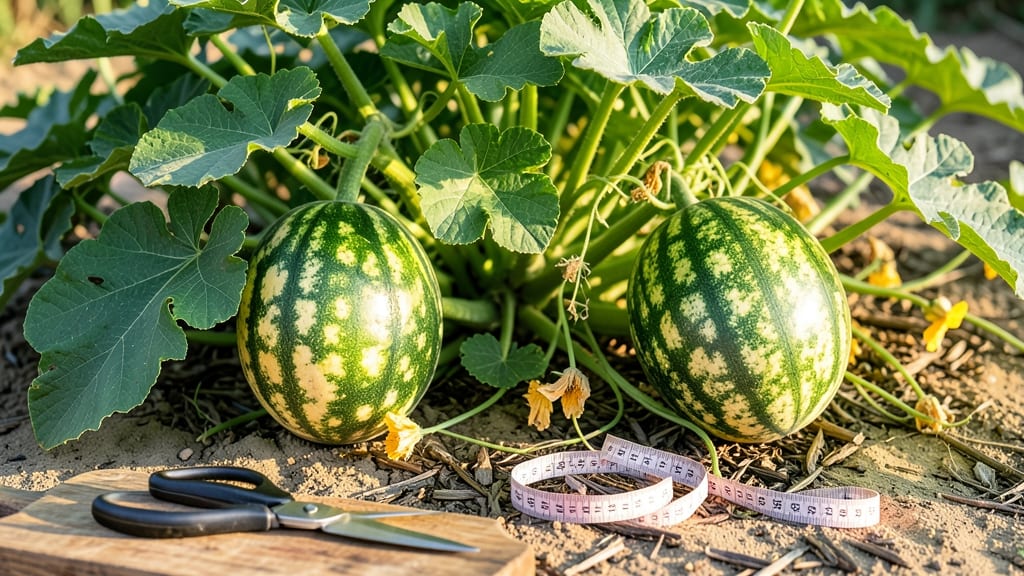
One watermelon plant typically produces 1 to 4 watermelons per season, depending on the variety, growing conditions, and care. Vining types like Sugar Baby yield fewer, while bush varieties may produce more with proper support and pruning.
A single watermelon plant's harvest depends heavily on its type and care. 🌱 Vining varieties like Crimson Sweet spread widely and focus energy on fewer, larger fruits, while compact bush types can produce multiple smaller ones.
For example, a well-maintained Sugar Baby plant might yield just 1-2 melons, whereas a bush variety like Black Diamond could produce 3-4 with consistent pruning and nutrients. The key difference lies in their growth habits—vining plants prioritize size, while bush types maximize quantity.
What's interesting is how environmental factors play into this. Adequate sunlight, proper spacing between plants, and regular watering can push yields toward the higher end of the range. I've seen gardeners double their expected harvest by using trellises for vining types or adding compost-rich soil for bush varieties.
Pollination also matters—hand-pollinating flowers with a small brush can help ensure fruit set when bees are scarce.
💡 In This Article
- Watermelon Varieties and Their Yield Differences
- Maximizing Watermelon Harvest from a Single Plant
Watermelon varieties and their yield differences
The number of watermelons a single plant produces depends entirely on its genetic makeup and growth habits. Vining varieties like Sugar Baby or Charleston Gray spread 10-20 feet and concentrate their energy into producing 1-2 large melons weighing 15-25 pounds each.
These plants prioritize size over quantity because their extensive root systems and sprawling vines require significant energy to maintain. The trade-off is clear: fewer fruits but with impressive individual yields.
In contrast, bush varieties such as Black Diamond or Sugar Baby (the bush version) grow in compact 3-5 foot mounds and can produce 3-4 smaller melons weighing 8-12 pounds each.
The key difference lies in their growth structure—bush types have shorter vines and more concentrated energy, allowing them to set multiple fruits simultaneously.
For example, a well-pruned bush plant might produce 4 melons in a single season, while a vining type would struggle to produce more than 2 without compromising size.
Mini watermelon varieties like Sugar Baby or Orange Squeeze take this concept further by producing 6-10 small melons per plant, each weighing just 1-3 pounds. These varieties are bred for rapid fruit set and high quantity rather than size.
The science behind this involves their shorter growing season and smaller fruit size, which allows the plant to allocate energy more efficiently across multiple fruits. 🌱 This makes them ideal for container gardening or small spaces where space is limited.
Another critical factor is the fruit's growth habit. Some varieties like Crimson Sweet develop a single large fruit at the end of the main vine, while others like Yellow Doll produce multiple smaller fruits along the length. This structural difference directly impacts yield potential.
For instance, a Crimson Sweet plant might yield just 1 massive melon while a Yellow Doll plant could produce 3-4 smaller ones—both from the same plant type but with different genetic programming.
What's fascinating is how these yield differences translate to real-world gardening. I've observed that vining types often produce 1-2 melons that are perfect for slicing and sharing, while bush types deliver 3-4 melons that are great for individual servings.
The choice between quantity and quality becomes a personal preference—whether you want a few showstopper melons or a steady supply of smaller ones throughout the season.
Consider these key distinctions when selecting varieties:
- Vining types: Fewer (1-2) but larger (15-25 lbs) melons, ideal for slicing and sharing
- Bush types: More (3-4) but smaller (8-12 lbs) melons, perfect for individual use
- Mini varieties: Highest quantity (6-10) but smallest (1-3 lbs) melons, great for containers
The choice ultimately depends on your space, goals, and how you plan to use the harvest. 💫